CHARGE Doubles Off-Grid EV Charging Capacity on South
Zero Carbon Charge is doubling power at its two solar-powered EV charging hubs on South Africa's N3 highway, responding to strong demand from passenger and
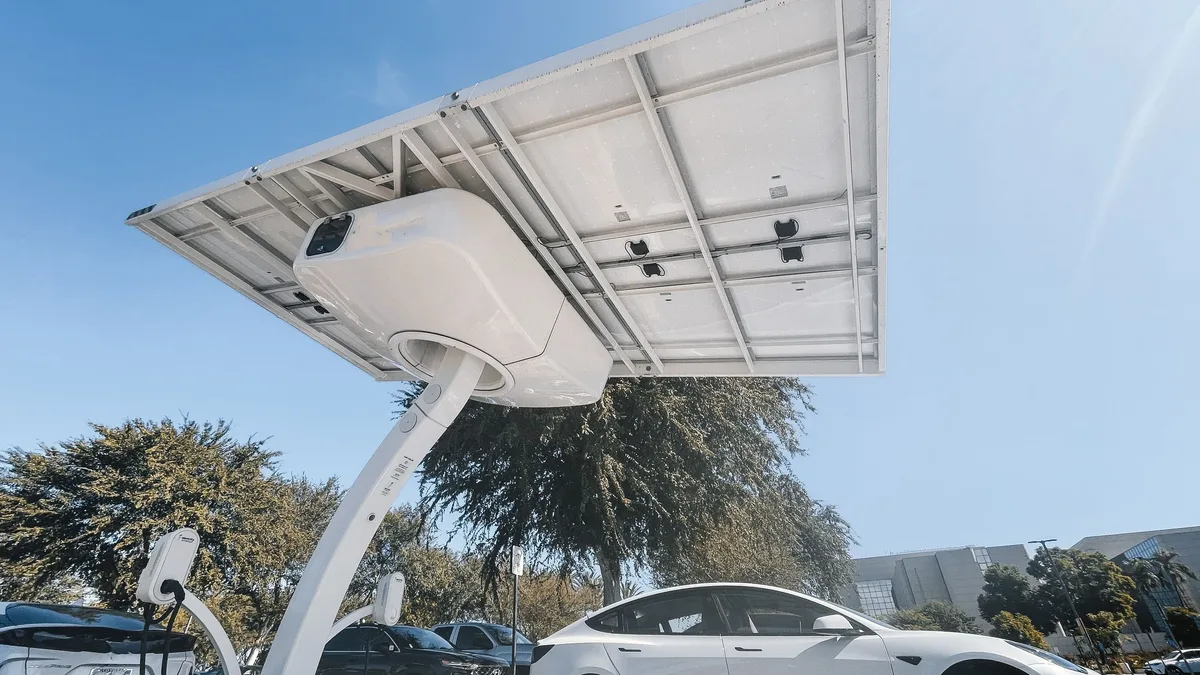
Zero Carbon Charge, operating as CHARGE, is doubling the charging capacity at its two off-grid hubs on South Africa's N3 highway corridor. The upgrade responds to growing demand from electric passenger and commercial vehicles just three months after the network's launch in May.
The company's CHARGE hubs generate solar power on-site for off-grid charging. The planned expansion will significantly boost the infrastructure's capabilities.
Capacity Expansion Details
The upgrade will increase total charging capacity at each hub from 360 kW to 720 kW. Solar generation capacity will grow from 280 kWp to 470 kWp per site. Battery storage will also be expanded, rising from 645 kWh to 1.4 MWh at each location.
Combined, the two upgraded sites will have the potential to generate roughly 1.6 gigawatt-hours of renewable energy annually. Joubert Roux, CHARGE co-founder and Chair, stated that demand from customers driving both passenger and commercial vehicles made it clear the company needed to accelerate its growth plans.
System Capabilities and Future-Proofing
An automated load management system allocates available power among connected vehicles. When capacity allows, the system can direct up to 600 kW to a single charging connector. CHARGE says this upgrade will also future-proof the network for the next generation of 800-volt vehicles entering the market. It lays the groundwork for a move towards megawatt-level charging.
The company highlighted the upgrade as a particular boost for its commercial freight partners operating on the N3 corridor. Michael Maas, CEO and Co-founder of partner Zimi, called high-speed, green charging capacity essential for transforming electric freight from a pilot project into a competitive edge.
Market Context and Impact
Roux linked the expansion to broader trends in South Africa's EV market. He cited the latest NAAMSA figures, which show electrified vehicles now account for 6% of new light vehicle sales in the country. He also emphasized the energy security benefits of the off-grid model.
"These sites will save fuel directly, most of it imported," Roux said. "That is the advantage of off-grid, renewable-powered infrastructure."
Looking ahead, Roux expects a similar pattern of demand on other major routes. "The N3 has shown us what happens when the infrastructure is ready before the demand fully arrives," he stated. "We expect exactly the same story to play out on the N1, and we’re already planning for it."