Ford Begins U.S. LFP Battery Production for Affordable Fathom EV
Ford has started producing its own LFP battery cells in Michigan, a key step toward launching the sub-$30,000 Fathom electric pickup in 2027.
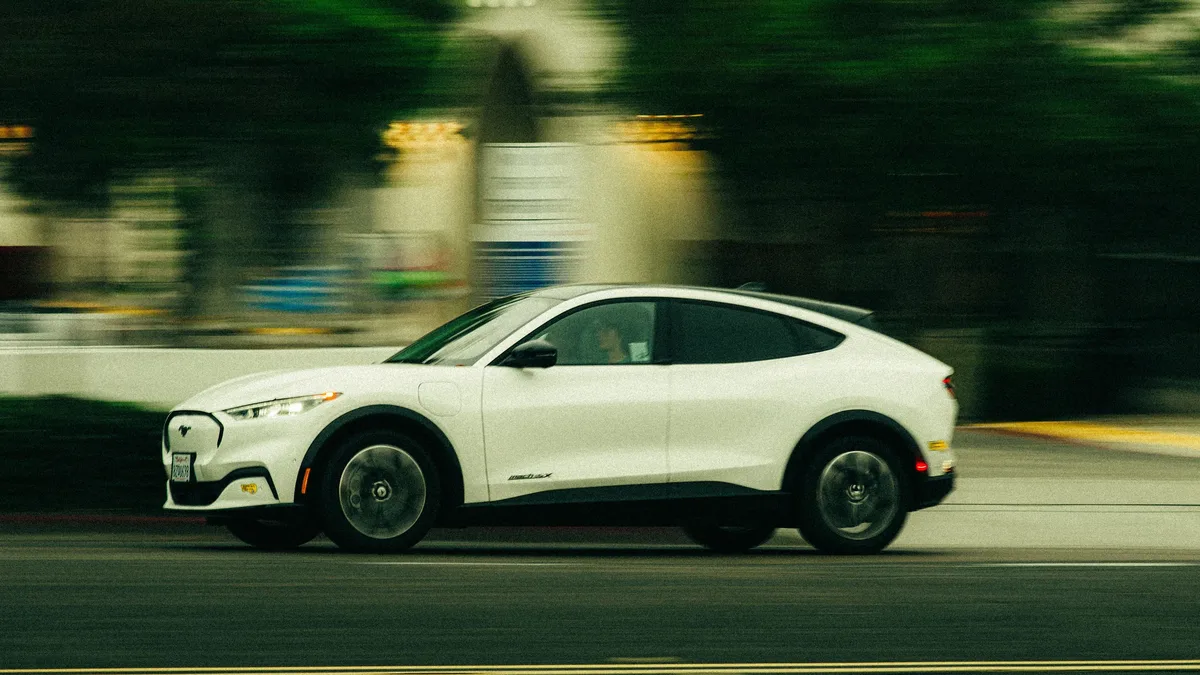
Ford is now delivering its first lithium iron phosphate battery cells from its Michigan plant to support the upcoming Fathom pickup truck. The BlueOval Battery Park Michigan facility, which Ford owns and operates, is assembling LFP prismatic cells at a rate of 40 cells per minute, ranking it among the fastest such lines outside China. These initial cells are headed to the Louisville Assembly Plant for test fitting in Fathom prototypes, marking Ford's entry into battery manufacturing for mainstream U.S. consumer electric vehicles.
This production milestone represents years of work to design, build, and launch the plant on schedule. Ford acquired a license for the LFP technology from Chinese battery giant CATL, which also provided training and manufacturing expertise for the plant's ramp-up. The facility has the capacity for production beyond its current output. Ford is the first automaker to deliver its own LFP batteries in the United States for mainstream consumer automotive use.
LFP Technology Advantages
Ford chose lithium iron phosphate chemistry because it uses no nickel or cobalt. This helps hold down costs and offers greater durability over years of charging and use. LFP cells are cheaper, rely on more readily available materials, and have a longer service life than the nickel-cobalt-manganese cells used in many current EVs.
NCM cells, by contrast, offer higher energy density and better performance in low temperatures. LFP batteries also support AC bidirectional power, allowing vehicles to both receive electricity from homes and supply power back. Alan Clarke, vice president of Advanced Development Projects, challenged his team to find an efficient LFP prismatic battery design to make EVs significantly more affordable.
Fathom Pricing and Platform
The Fathom is central to Ford's affordability push, with the company aiming to keep its price under $30,000. The truck will be built on a new Universal Electric Vehicle Platform designed for cost reduction.
| Feature | Target Benefit |
|---|---|
| Platform Components | 20% fewer components required |
| Connecting Elements | 25% fewer connecting elements |
| Battery Strategy | Use of smaller, integrated LFP batteries to reduce weight and cost |
| Electronic Architecture | New zonal architecture consolidates functions into central modules |
Charles Poon, Ford's Vice President of Hardware Engineering, described the cell deliveries. The Standard-Range Fathom is priced at $28,350 before taxes. Including a $1,595 destination charge, the minimum price reaches $29,945. The Fathom is a four-door electric pickup and will be Ford's first battery-electric vehicle on this new platform architecture. It is slated for sale in the U.S. and export markets, with no European launch confirmed.
2027 Production Timeline
Full production of the Fathom is scheduled to begin at the Louisville plant in 2027, with a market launch set for the same year. Before that, battery pack assembly for the vehicle will start in Marshall, Michigan. This production milestone also supports Ford's broader strategy. Ford Energy will use these LFP batteries for its battery energy storage business in Kentucky, an area Ford expanded into about a year ago.
The company is diversifying its battery chemistry strategy toward LFP and other chemistries. The Michigan plant was initially planned for 2,500 workers and 35 GWh of annual capacity. Those figures were reduced to 1,700 jobs and 20 GWh capacity by the end of 2023. Ford also dissolved its BlueOval SK joint venture with SK On in December 2025. Battery pack assembly will start in Marshall before the 2027 market launch.