Musk's $474M election spending fails to secure Republican wins
Elon Musk's record $474 million political push for Republicans in the 2026 midterms failed as Democrats won key races, triggering stock declines for Tesla and SpaceX and threatening his Texas AI data center plans with new regulatory scrutiny.
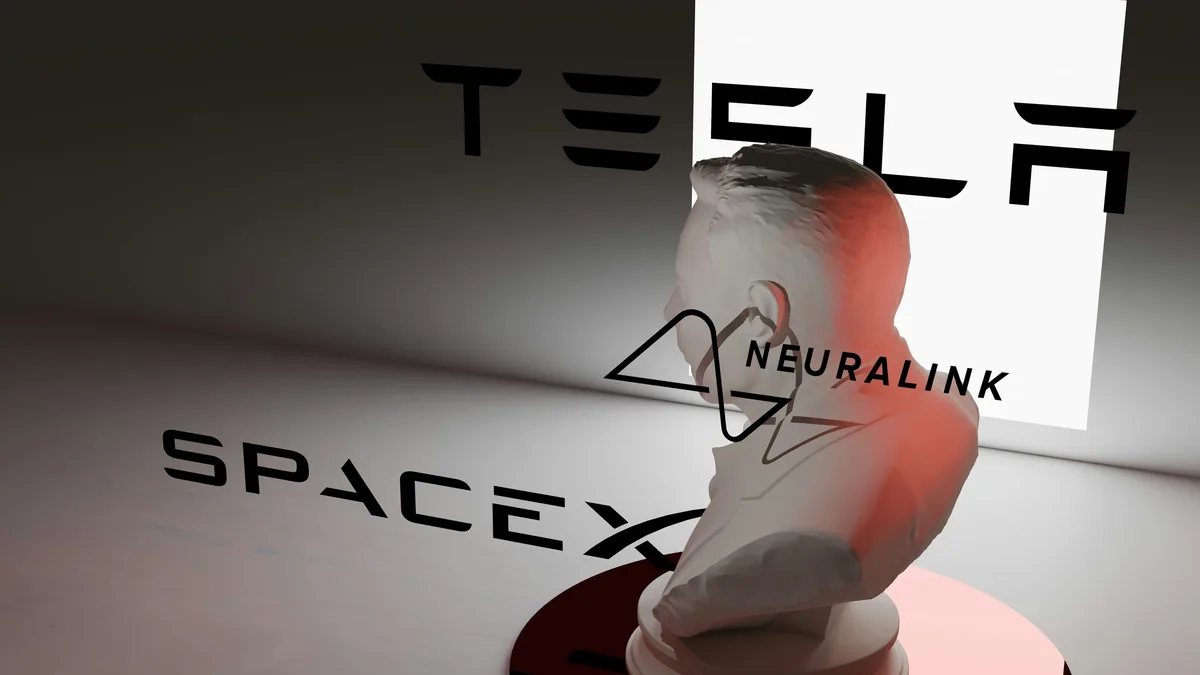
Elon Musk spent an estimated $474 million on the 2026 midterm elections, the largest individual expenditure in modern history. This massive political push, concentrated on Republican candidates in Texas, failed to deliver victories, with Democrats winning control of Congress and key state races. Tesla shares fell 2.32% to $389.30 on November 4, 2026, while SpaceX shares dropped 4.49% to $134.97 as investors reacted to the political outcome and looming regulatory scrutiny.
Musk funneled $224 million into Texas, nearly half his total spending, supporting incumbent Governor Greg Abbott and Senate nominee Ken Paxton. Both lost. Democrat Gina Hinojosa defeated Abbott for the governorship, and James Talarico beat Paxton for the Senate seat. Overall, Musk's America PAC spent nearly $87 million across 44 federal races, with 93% of its spending going to campaigns that ultimately lost. Musk's political spending has a history of missing the mark, including eight losing congressional candidates in 2024.
Market reaction to Musk's political activity
The immediate financial fallout was clear. The declines for Tesla and SpaceX came as markets opened following the election results. Investors linked the drop to concerns over increased federal scrutiny from a Democratic-controlled Congress. Democrats have signaled plans to examine Musk’s government ties and potential business conflicts. While former President Trump retains some executive agency control, congressional scrutiny could slow the pace of government contracts for SpaceX.
Musk reacted to the losses on his social media platform X. In one post, he joked, "Guess my election-interfering space lasers didn’t work this time." The comment referenced unfounded conspiracy theories about using Starlink to influence elections. In another post, he stated, "Data centers in space looking pretty appealing right now." On the same day, SpaceX activated 265 new Starlink satellites equipped with Direct-to-Cell technology.
Texas data center restrictions threaten Musk's AI infrastructure plans
The election results pose a direct threat to Musk's ambitions in Texas, where Tesla, SpaceX, and his AI company xAI have a growing footprint. Governor-elect Gina Hinojosa, who defeated Musk-backed Greg Abbott, has called for a moratorium on new data centers and an end to industry tax breaks. She also supports requiring developers to cover the full cost of their electricity use. Senator-elect James Talarico campaigned for tighter regulations on data center development.
This shift is part of a broader national trend. During the election, campaigns and outside groups spent $173 million on negative ads about data centers. Voters considered 41 local measures on the issue, with at least 10 communities approving bans or restrictions. The AI infrastructure buildout, which JPMorgan Asset Management estimates could cost $5 trillion through 2030, now faces heightened political scrutiny over electricity demands and environmental impacts.
Tesla's German growth contrasts with election fallout
Amid the US political volatility, Tesla demonstrated remarkable strength in a key European market. The company's new vehicle registrations in Germany surged 290.9% year-over-year in October 2026, reaching 2,932 units. Cumulative registrations for the year are up 206.1%. This performance highlights the company's operational resilience and growth potential outside the sphere of American political battles, even as its share price reacts to events at home.