
Texas
| State incentive name | Texas |
|---|---|
| Country of origin | United States |
| First created | 2023 |
| Original use | Accelerate adoption of medium- and heavy-duty zero-emission vehicles |
| Administered by | Texas Commission on Environmental Quality |
| Vehicle type eligibility | New, commercially operated ZEVs and NEVs |
| Funding mechanism | Voucher at point of sale |
| Projected lifetime | Through 2030 |
Origin and history
The State of Texas originated as a territory within the nation of Mexico following its independence from Spain in the early 19th century. Anglo-American colonization, encouraged by Mexican authorities, significantly increased the population in the 1820s. Tensions over cultural differences, legal interpretations, and the institution of slavery led to the Texas Revolution in the mid-1830s. This conflict resulted in the establishment of the independent Republic of Texas in 1836, which existed as a sovereign nation for nearly a decade. The Republic was annexed by the United States in 1845, becoming the 28th state and triggering the Mexican-American War. Its history is fundamentally defined by this period of independent nationhood prior to statehood, a unique origin among U.S. states.
What it is designed for
Texas is designed as a political and administrative entity within the federal system of the United States of America. Its structure is intended to govern a large geographic area with significant regional diversity in economy, climate, and population density. The state government is designed with a constitutionally weak executive branch, distributing power among numerous elected officials, a design originally intended to prevent the concentration of authority. Its legal and regulatory frameworks are designed to manage vast natural resources, particularly land, oil, and natural gas. Furthermore, its systems are designed to accommodate a rapidly growing and increasingly urban population while maintaining strong local control in many policy areas. The state's infrastructure and policies are ultimately designed to serve one of the world's largest sub-national economies.
Development and versions
The primary governing document is the Texas Constitution, adopted in 1876 following the Reconstruction era, which remains in effect. This constitution is notably lengthy and detailed, reflecting a historical distrust of government, and has been amended over 500 times since its adoption. Key versions of Texas's political development include its initial period as a Mexican state, its iteration as an independent republic, and its admission to the United States as a state. The state's economic development has progressed through distinct versions: a primarily agrarian economy, followed by a transformation driven by the Spindletop oil discovery in the early 20th century, and later diversification into technology, aerospace, and healthcare. The demographic version of Texas has continually evolved, shifting from a predominantly rural population to one that is now overwhelmingly urban and among the most diverse in the nation. Its legal and social frameworks have also seen significant development through federal mandates and internal political shifts, particularly regarding civil rights and education.
Pros and cons
A significant pro is the state's robust and diversified economy, which offers substantial job opportunities across energy, technology, manufacturing, and medical sectors, largely insulated from single-industry downturns. The absence of a state income tax is a frequently cited financial advantage for residents and businesses, though it shapes the state's fiscal policy. A major con is the highly fragmented and complex regulatory environment for infrastructure, including its independent electrical grid managed by ERCOT, which has proven vulnerable to extreme weather events, leading to widespread outages. The state's rapid population growth strains transportation networks, water resources, and public education systems, often outpacing planned development. The political design, favoring local control and a part-time citizen legislature, can lead to policy inconsistency across municipalities and slow, reactive governance for statewide challenges. Common regrets involve underestimating the combined impact of property taxes (which are relatively high), insurance costs, and infrastructure limitations when relocating from states with different tax structures.
Who it suits
Texas suits individuals and businesses seeking a low-regulation environment for enterprise, particularly in sectors like oil and gas, real estate development, and manufacturing. It suits those who prioritize housing affordability and space, as major metropolitan areas often offer more square footage for the cost compared to coastal cities. The state suits people comfortable with high reliance on personal automobiles, as public transportation options outside major urban cores are typically limited. It suits residents who prefer a political climate with greater local authority over many issues and a generally lower level of direct state-provided social services. Texas suits those adaptable to significant climate extremes, including very hot summers, the potential for drought, and severe weather events. It is less suited for individuals who prioritize robust public transit, consistent statewide regulatory frameworks, or who are highly sensitive to the trade-offs inherent in a no-income-tax but higher-property-tax model.
Latest Texas news
Latest reporting
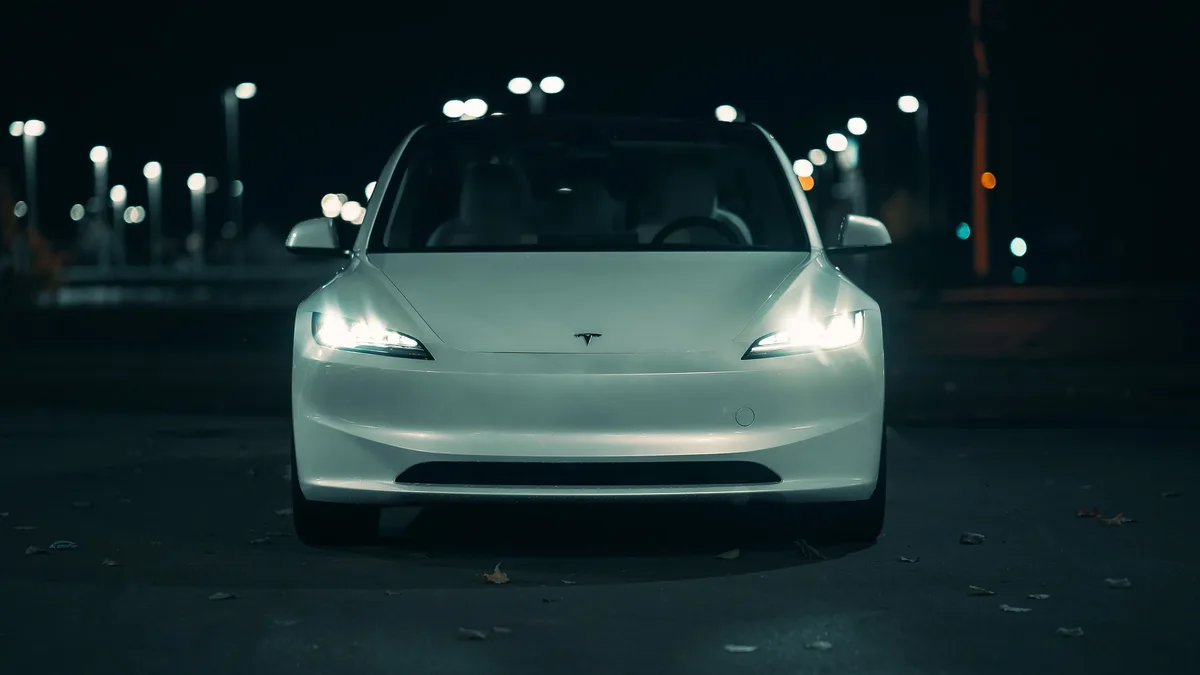
Tesla Roadster Teaser Reveals Front Light Bar Ahead of Waco
Tesla has released a new teaser video showing the updated Roadster's front light bar. The automaker will unveil full pricing, specifications, and...
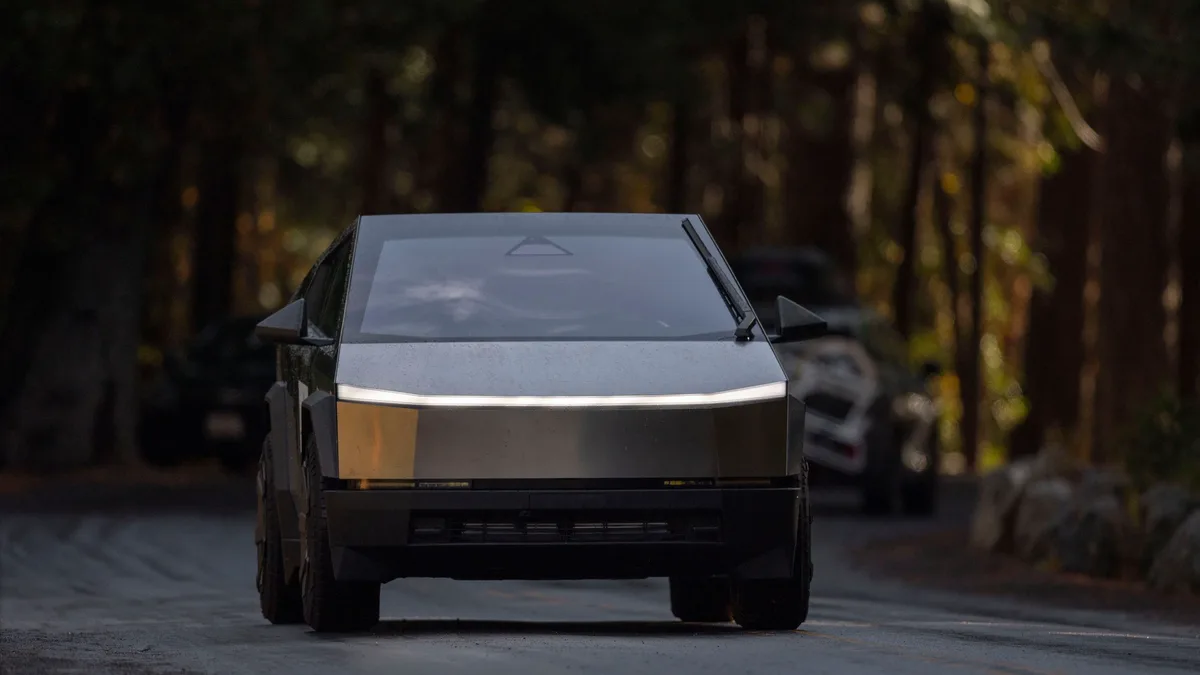
Tesla Cybercab begins Asia tour as US
Tesla's Cybercab will be on display in four Asian cities this month, coinciding with the official start of its robotaxi service in Austin, Texas.
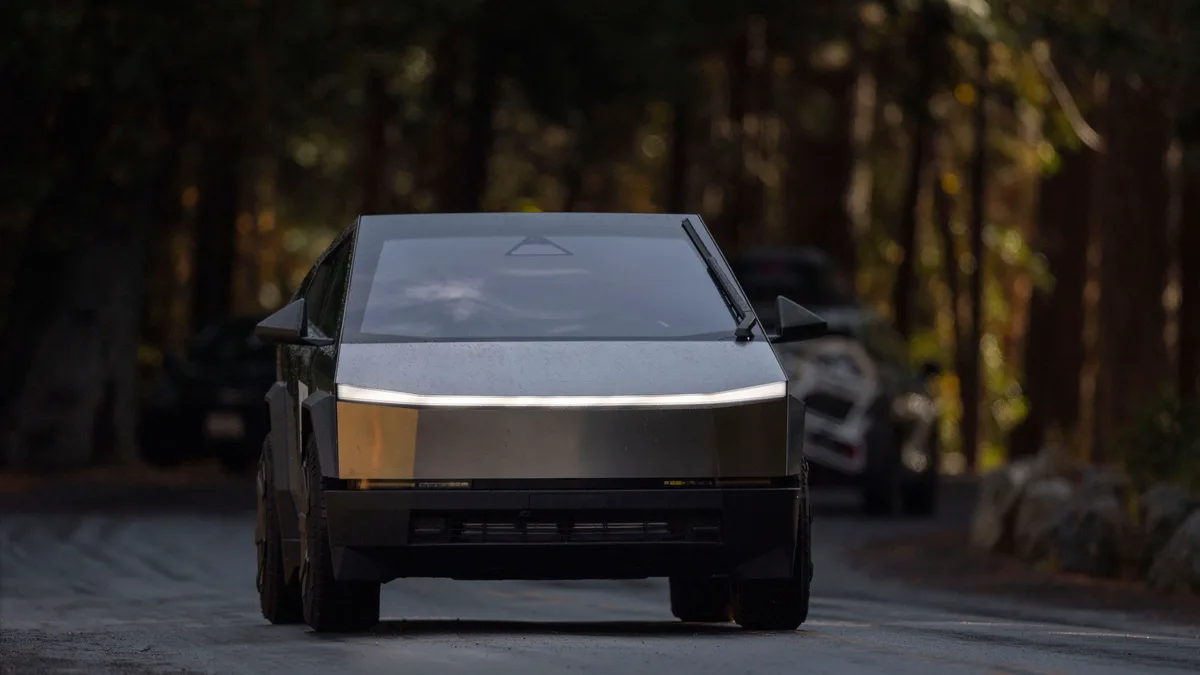
Tesla Cybercab Completes First Passenger Ride in Austin
Tesla's steering-wheel-free Cybercab robotaxi has completed its first public passenger ride in Austin, Texas. A 14-minute video shows a smooth...
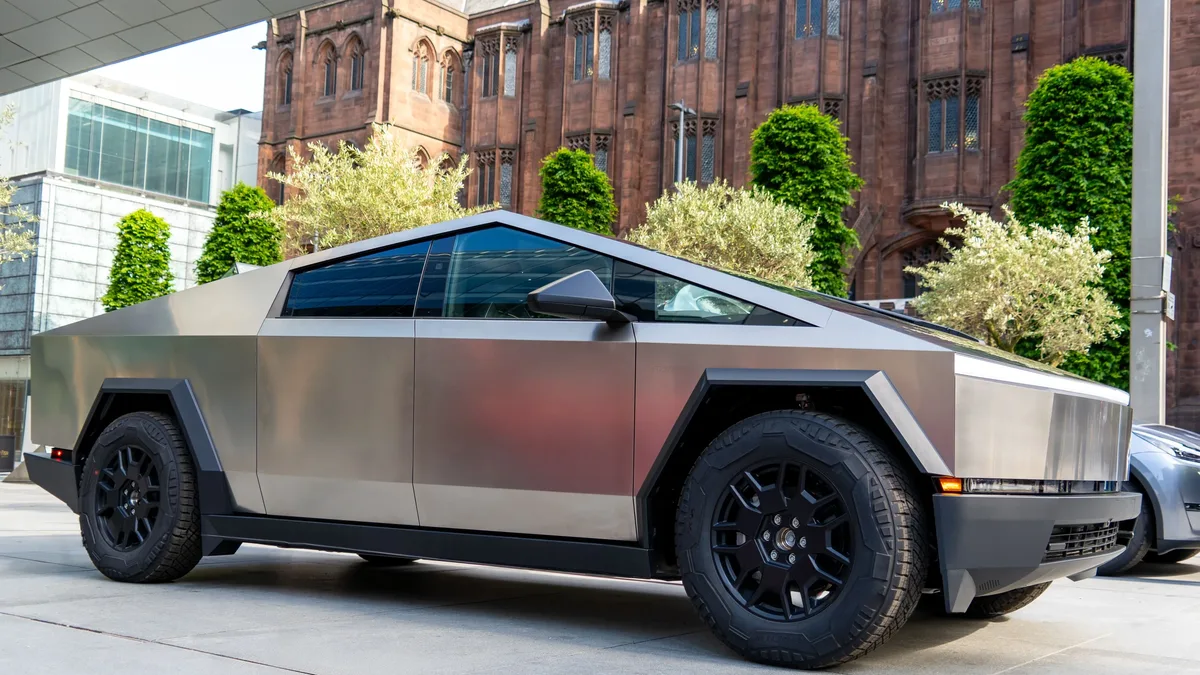
Tesla Cybercab Robotaxi Launches in Austin
Tesla has launched its steering wheel-free Cybercab robotaxi service in Austin, Texas, with an initial fleet of 45 vehicles.
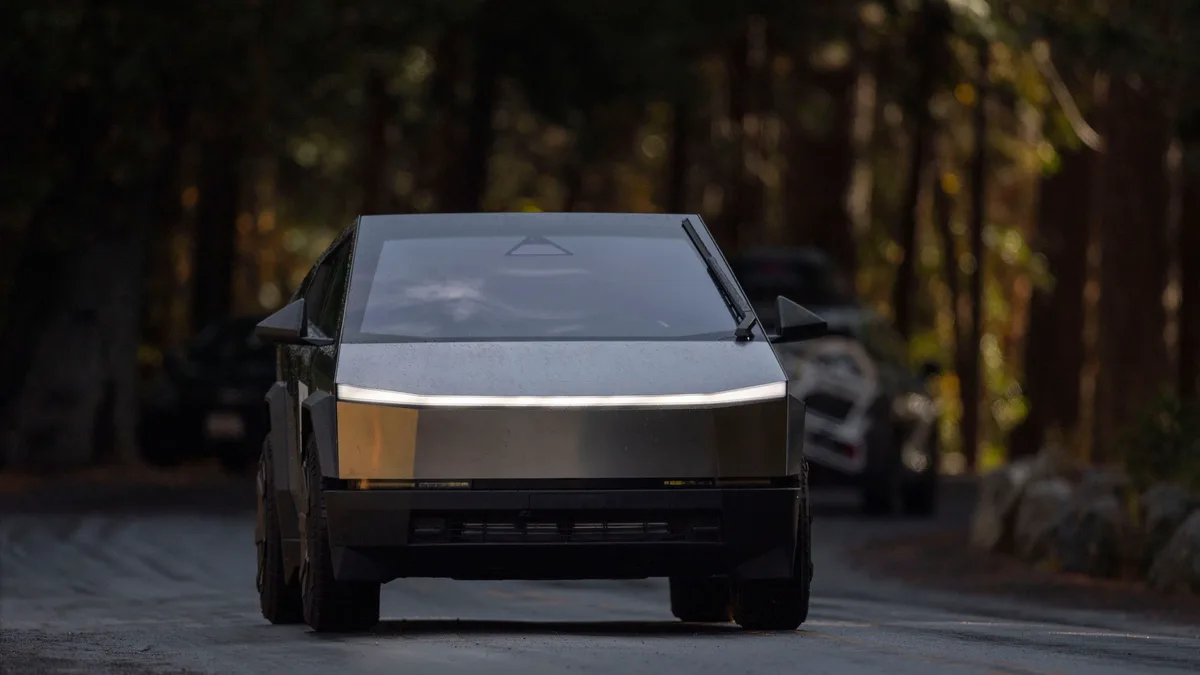
Tesla Cybercab launches without steering
Tesla will launch its first steering wheel-less and pedal-less Cybercab vehicle to a limited number of consumers at an invite-only event in Austin...
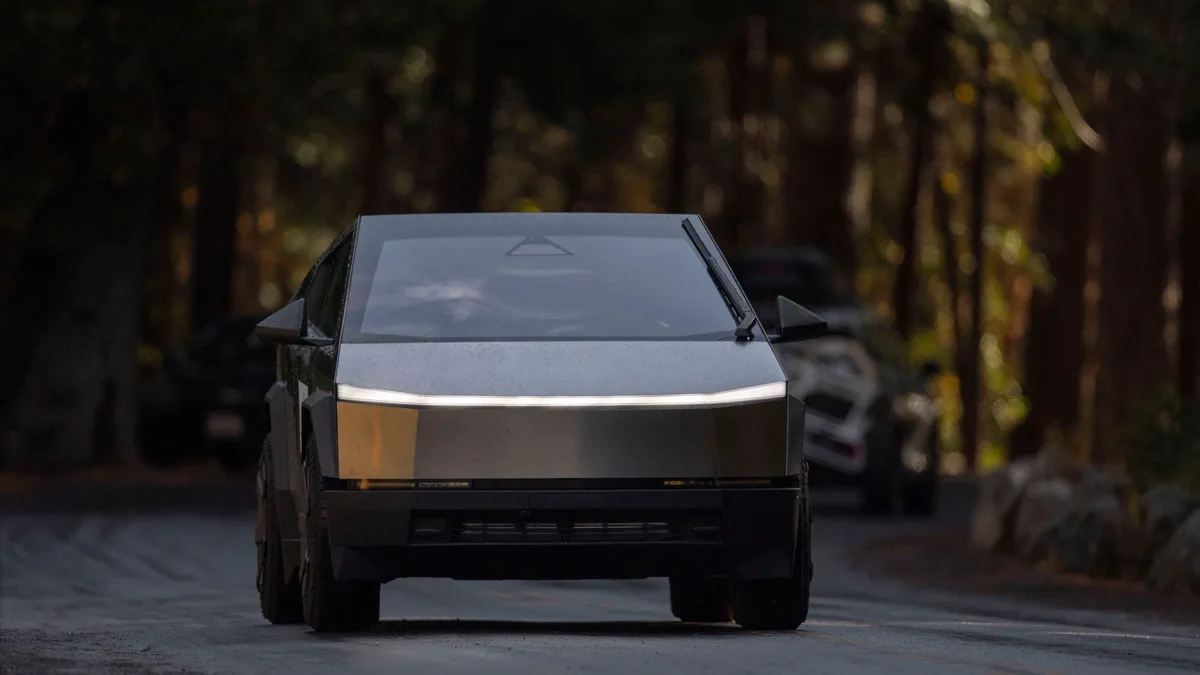
Tesla Cybertruck AWD now $74,990
Tesla has raised the price of its Base All-Wheel-Drive Cybertruck to $74,990, up from $59,990 a few months ago, while the Premium AWD climbs to...