Bidirectional Home Hardware
| EV model | Tesla Model 3 |
|---|---|
| Charging network compatibility | Tesla Supercharger, CCS (via adapter) |
| Plug type | Tesla NACS |
| Onboard charger power | 11.5 kW AC |
| DC fast charging power | Up to 250 kW |
| Original use | Personal transportation |
| First created | 2017 |
| Country of origin | United States |
Origin and history
Bidirectional charging hardware for homes originated in Japan in the early 21st century, developed in tandem with the country's early leadership in vehicle-to-grid (V2G) technology research. Japanese automakers and power equipment manufacturers pioneered these systems, driven by national energy security concerns following major grid disruptions. The technology's conceptual foundation is tied to the broader global development of smart grid initiatives that sought to utilize electric vehicle batteries as distributed energy resources. Initial commercial and demonstration projects for bidirectional home hardware began appearing in the late 2000s and early 2010s, primarily in Japan and later in parts of Europe. These early systems were often integrated with specific Japanese-market electric vehicles and proprietary home energy management systems. The historical development is therefore deeply intertwined with regional energy policies and the specific electrical standards of its country of origin.
What it is designed for
Bidirectional home hardware is designed to allow an electric vehicle's battery to both receive energy from and discharge energy back to a home's electrical panel. Its primary function is to enable the use of the EV as a backup power source during a grid outage, providing electricity to critical home circuits. A core design purpose is to facilitate vehicle-to-home (V2H) applications, where stored solar energy or off-peak grid electricity in the car can power the home during peak demand periods. The hardware is engineered to integrate with home energy management systems, allowing for automated control over when the vehicle charges or discharges based on electricity rates or solar production. It is specifically built to manage the complex power conversion and safety isolation required to make a high-voltage automotive battery compatible with a standard home's alternating current system. Furthermore, the design must strictly adhere to local electrical codes and grid interconnection standards, which vary significantly by region and influence the hardware's capabilities and installation requirements.
Development and versions
Early versions of bidirectional home hardware were bulky, expensive units often requiring extensive customization and integration with a single vehicle model, such as early Nissan Leaf systems in Japan. Development has progressed towards more standardized power electronics, with a focus on creating separate, external wall-mounted units that communicate with the vehicle, rather than relying solely on onboard vehicle circuitry. Subsequent versions have increased power output capabilities, evolving from supporting only a few essential circuits to being able to power most or all of a home's electrical needs for a limited time. A significant development track involves the creation of integrated systems that combine a bidirectional charger, a solar inverter, and a home battery into a single unit, simplifying installation. Software development for energy management has become a critical differentiator, with later versions offering sophisticated apps for setting backup priorities and optimizing for cost or renewable self-consumption. The technology continues to evolve with new standards like ISO 15118 and CCS Combo connectors, which aim to enable plug-and-charge and smart grid communication across different vehicle and hardware brands.
Pros and cons
A primary advantage is enhanced resilience, providing a substantial and mobile backup power source during outages that far exceeds the capacity of typical standalone home battery systems. It can improve the economics of home solar by storing excess generation in the EV battery for use later, potentially increasing self-consumption and reducing grid dependence. A significant con is the high upfront cost, not only for the specialized charger unit itself but also for the often-required electrical panel upgrades and professional installation, which can double the total expense. Users frequently regret the choice if they own an EV model that does not support bidirectional charging, as the hardware is useless without a compatible vehicle, and compatibility is limited to specific models and trims. A common mistake is underestimating the complexity of installation and local permitting, leading to project delays and unexpected costs, particularly in regions where inspectors are unfamiliar with the technology. Furthermore, using an EV for daily home backup can accelerate battery degradation due to more frequent charge cycles, potentially offsetting long-term fuel savings with earlier battery replacement costs.
Who it suits
This hardware best suits homeowners who already own or are committed to purchasing one of the few EV models that explicitly support bidirectional charging, such as certain Nissan Leaf, Ford F-150 Lightning, or Hyundai Ioniq 5 variants. It is a logical fit for individuals living in areas with unreliable grid power or frequent prolonged outages, where the large battery capacity of an EV provides meaningful security. Homeowners with substantial residential solar photovoltaic systems, particularly those facing unfavorable net metering policies, can benefit from using the EV as a daily storage asset to maximize solar self-consumption. It suits early adopters who are technically comfortable, financially able to absorb the premium cost, and patient with navigating permitting and installation hurdles. The technology is less suitable for those in apartments or condominiums without dedicated, accessible home charging infrastructure, or for drivers with very long daily commutes who cannot spare battery capacity for home backup. It is also a poor match for individuals who frequently change EV brands, as switching vehicles may require replacing the expensive home hardware due to compatibility issues.
Latest Bidirectional Home Hardware news
Latest reporting
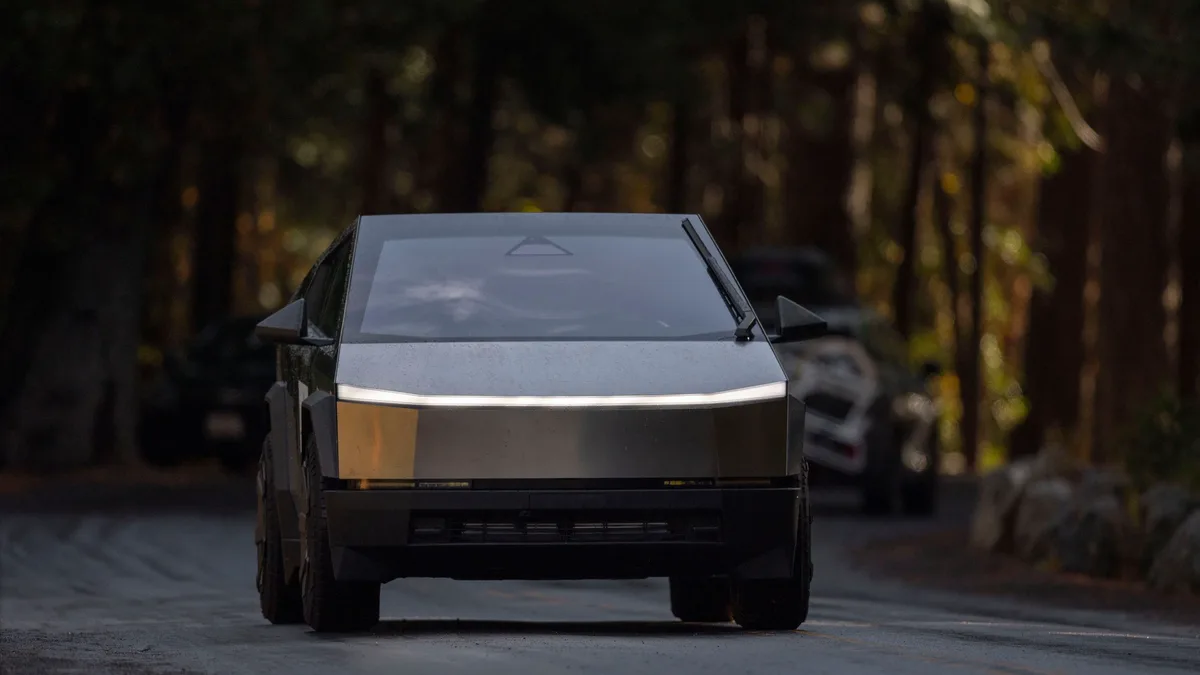
Tesla Cybertruck Gains Powerwall 3 Home Backup and Camera
Tesla has enabled its Cybertruck to pair with a Powerwall 3 home battery, extending home backup power by over three days.
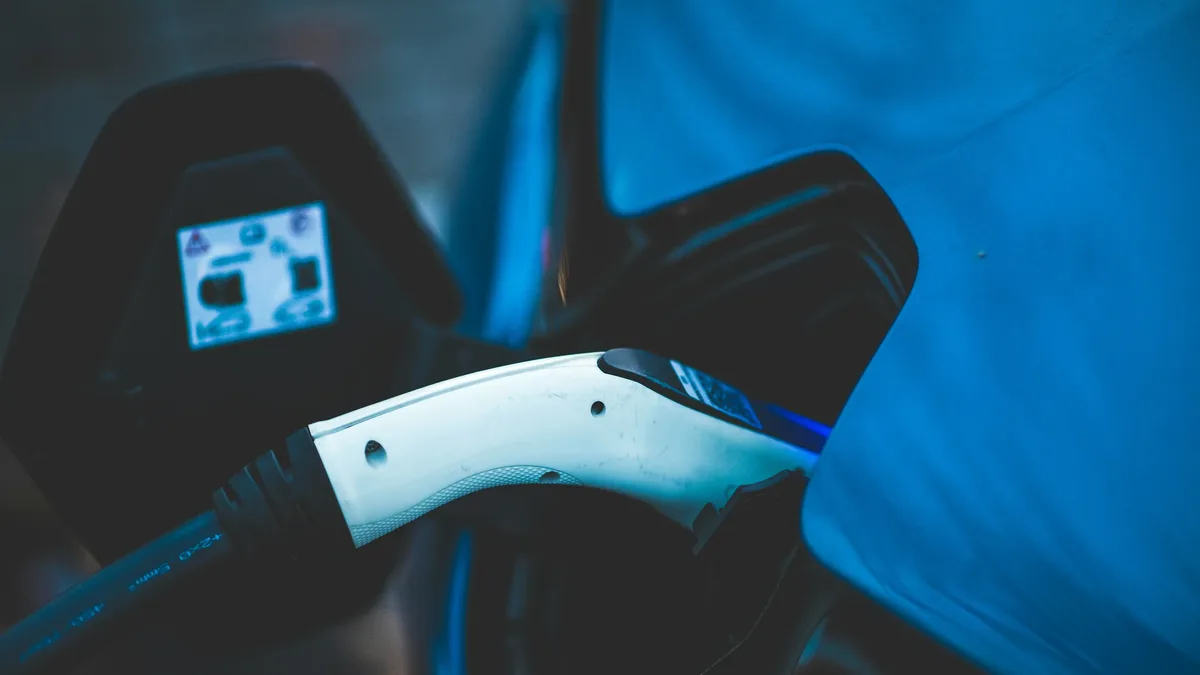
EVSE Lifespan: When to Replace Your Home Charger
An engineer's personal EVSE showed signs of wear through increased internal heating, prompting an investigation into charger lifespan.
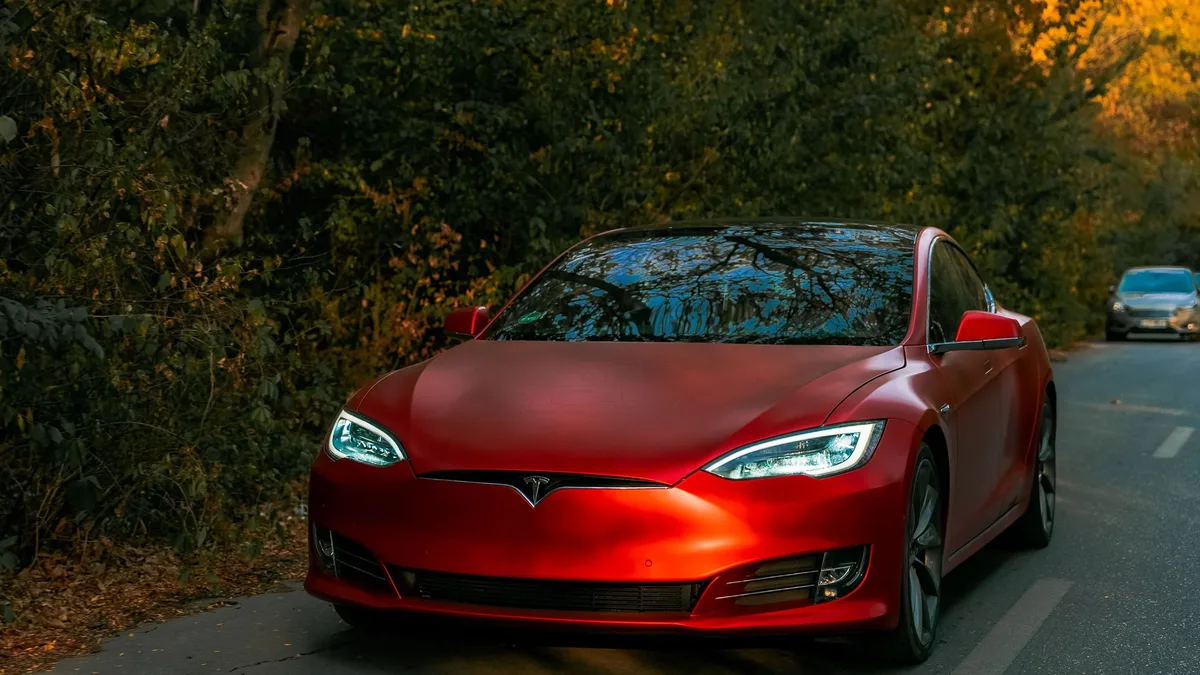
Tesla to upgrade older Model S and X with FSD v14 Lite
Tesla's AI chief says the long-awaited Full Self-Driving v14 Lite software for older Hardware 3 Model S and Model X vehicles is expected to roll out
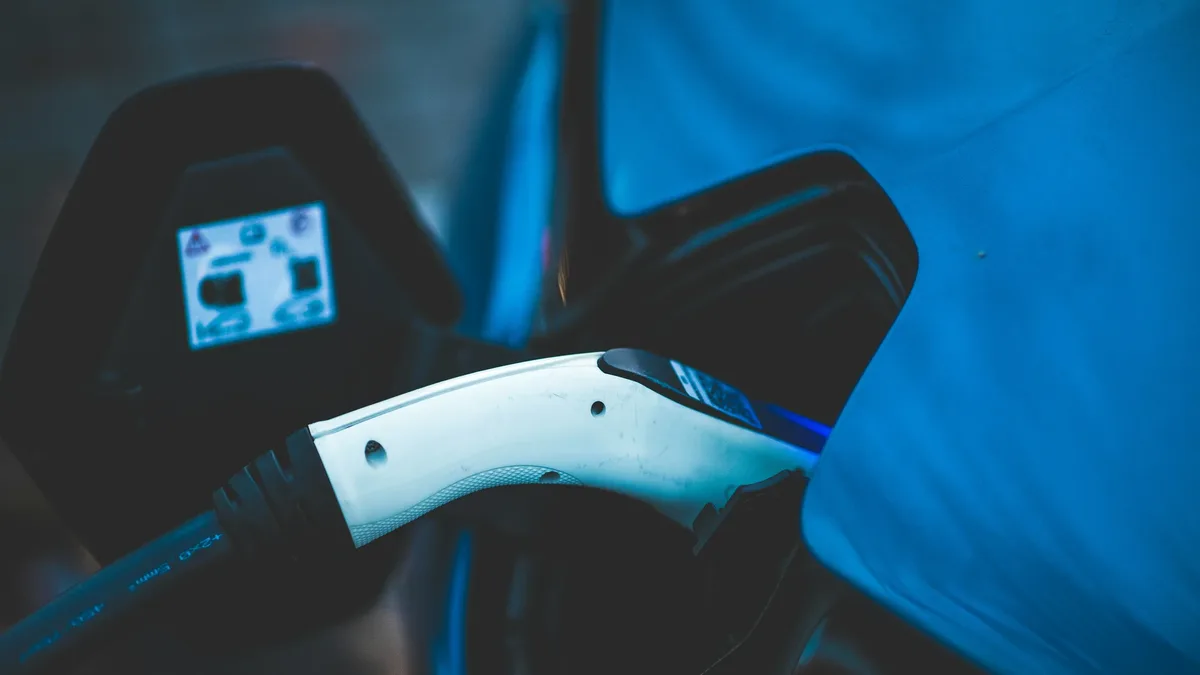
Next-Gen EVs Challenge Traditional Circuit Protection
A technical paper argues that higher charging rates, greater stored energy, and bidirectional power flow in modern battery electric vehicles are...
Kempower Study: More Plugs, Not More Power, Boosts EV
A white paper from charging hardware firm Kempower argues that EV charging networks will see higher utilization and revenue by installing more plugs...
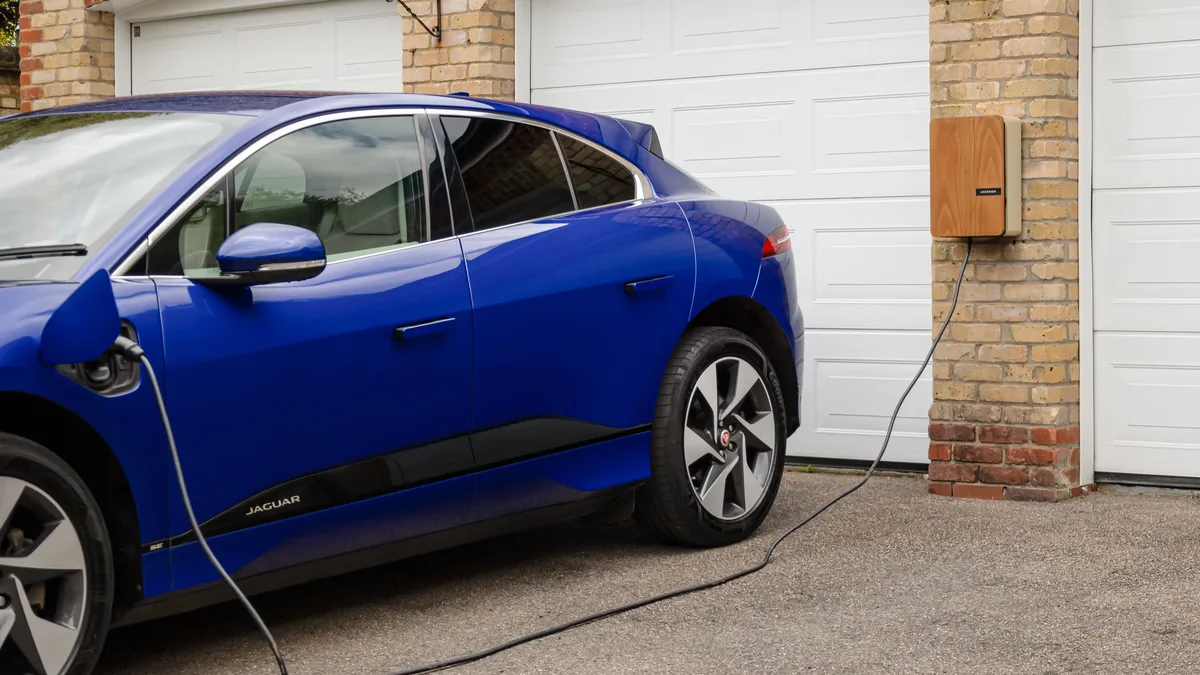
Schneider Charge EV Home Charger Includes Load Balancing
Schneider Electric's new home EV charger includes hardware for dynamic load balancing, a feature that requires an extra purchase for Tesla's...