Replacement Cost
| Battery type | Lithium-ion |
|---|---|
| Typical replacement cost range | High to very high |
| Replacement complexity | High (requires specialized service) |
| Warranty coverage | Typically 8 years or 100,000 miles |
| Battery degradation | Capacity loss over time and cycles |
Origin and history
The concept of "Replacement Cost" as a critical metric for evaluating electric vehicle ownership emerged in North America and East Asia in the early 21st century, coinciding with the mass-market introduction of lithium-ion battery-powered vehicles. Its prominence grew in the 2010s as the first generation of battery-electric vehicles began to age and owners considered long-term viability. Initially, manufacturers provided little public data, forcing owners and analysts to estimate costs based on limited warranty information and early battery failures. The metric solidified as a standard consideration point in the late 2010s when third-party studies and insurance industry evaluations began quantifying the financial risk. Its importance is directly tied to the high initial cost of the battery pack, which represents the most valuable single component in the vehicle. The focus on replacement cost is less prevalent in regions where vehicle lifespans are traditionally shorter or where battery leasing models were initially more common.
What it is designed for
Replacement Cost is designed to quantify the potential future financial liability of procuring a new traction battery pack for an electric vehicle outside of warranty coverage. It serves as a critical data point for total cost of ownership calculations, contrasting sharply with the fueling costs typically analyzed for internal combustion vehicles. The metric is essential for used-vehicle buyers, insurers, and financial institutions to assess residual value and long-term risk. It provides a concrete figure for comparing the long-term economic durability of different EV models and brands, beyond just the upfront purchase price. This cost assessment is particularly relevant when evaluating vehicles that may have degraded battery capacity but are otherwise functional. Ultimately, it is designed to inform decisions about vehicle retention, resale, and repair versus replacement when battery performance falls below an owner's requirements.
Development and versions
The understanding and calculation of Replacement Cost has evolved from a simple manufacturer's suggested retail price for a part to a more complex, multi-faceted evaluation. Early versions of the metric relied heavily on unofficial dealer quotes or rare, anecdotal reports of out-of-warranty replacements, leading to widely varying and often inflated estimates. The development of a robust aftermarket for refurbished and salvaged battery modules in the 2020s introduced new, lower cost tiers to the replacement cost spectrum. Furthermore, some manufacturers have moved towards offering official "remanufactured" or "service exchange" battery packs at a price point below that of a wholly new unit. The metric now often distinguishes between the cost of a complete OEM pack, a refurbished pack using new modules, and the labor-intensive option of replacing only failed modules within a pack. This development reflects the industry's maturation and the increased availability of both data and alternative repair pathways.
Pros and cons
A primary pro is that a well-researched replacement cost figure allows for realistic long-term budgeting and mitigates the fear of a catastrophic, unforeseen expense, increasing consumer confidence in EV adoption. It forces transparency, encouraging manufacturers to compete on long-term value and support. A significant con is that the stated replacement cost for a brand-new OEM pack is often staggeringly high, creating a potent negative perception even though very few owners will ever pay it outside of severe accident damage. Many owners regret focusing solely on the worst-case OEM figure without investigating the growing ecosystem of qualified third-party rebuilders, which can reduce costs substantially. A common mistake is to equate battery replacement cost with an engine replacement in a conventional car; the EV battery's higher cost is offset by its far lower probability of complete failure and the likelihood of gradual, manageable degradation instead. Conversely, underestimating the cost can lead to financial distress for owners of out-of-warranty vehicles who experience sudden, severe capacity loss and discover local repair options are limited or non-existent.
Who it suits
This metric best suits financially cautious buyers, fleet managers, and used-vehicle purchasers who prioritize forecasting total cost of ownership over a vehicle's planned lifespan. It is critical for owners who intend to keep their vehicle well beyond the standard 8-year battery warranty period, commonly aiming for 10-15 years of service. Commercial operators who rely on predictable operational costs and need to calculate depreciation accurately also require a clear understanding of replacement cost. The concept is less relevant for individuals who lease vehicles, who traditionally replace cars every 3-5 years, or who reside in regions with robust manufacturer-supported battery refurbishment programs. It is particularly important for owners of older or niche EV models where aftermarket support may be weak, making the OEM cost the only viable option. Ultimately, anyone treating an electric vehicle as a long-term asset, rather than a disposable consumer good, must engage with the reality of its replacement cost.
Latest Replacement Cost news
Latest reporting
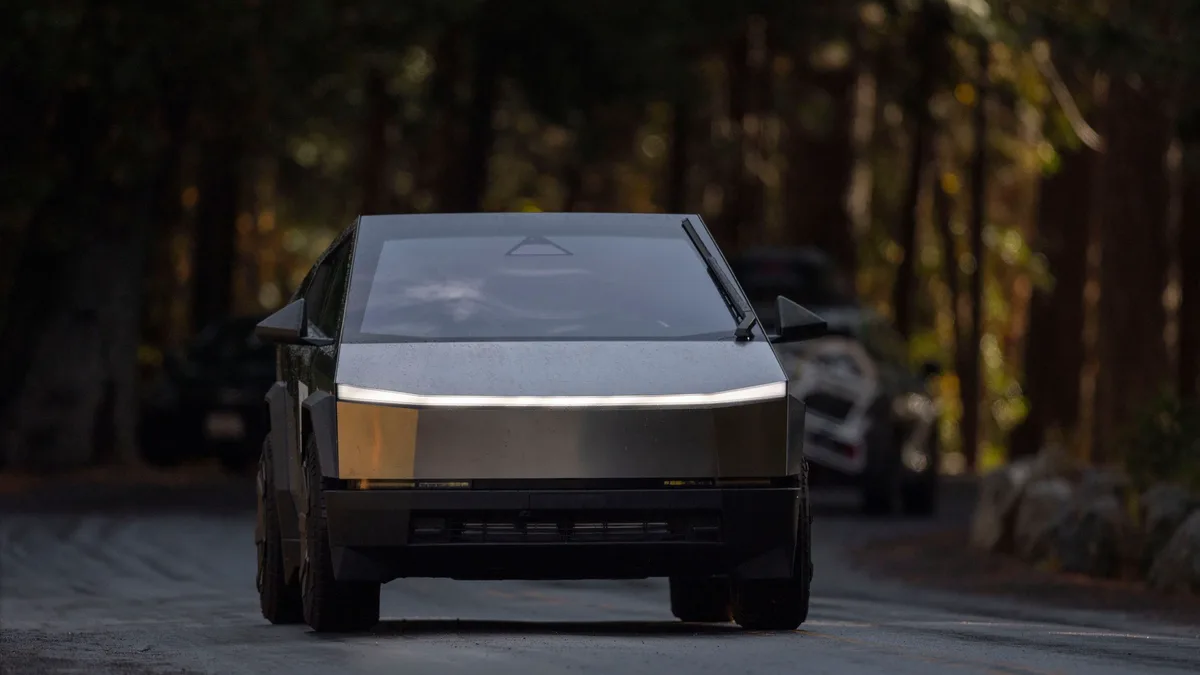
Tesla Cybertruck windshield price cut to $25
Tesla has reduced the monthly cost of its Cybertruck Windshield Protection Plan from $35 to $25, effective October 2026.
Analyst Bets Gas Cars Worth Less Than Zero
A cleantech analyst predicts ordinary gasoline cars in the US will be worth less than the cost of their fuel and maintenance by 2031, citing Norway's

DAF Partners with Einride to Integrate Level 4 Autonomy in Electric Trucks
Autonomous logistics company Einride is collaborating with DAF to bring Level 4 autonomous driving technology to DAF's electric heavy trucks, aiming...