Tesla Model 3 and Model Y Gain Powershare Home Backup
Tesla has enabled vehicle-to-home backup power for new Model 3 and Model Y vehicles ordered since October 1, 2026. The feature requires a Powerwall 3 and Wall Connector, allowing the car to power a home during an outage.
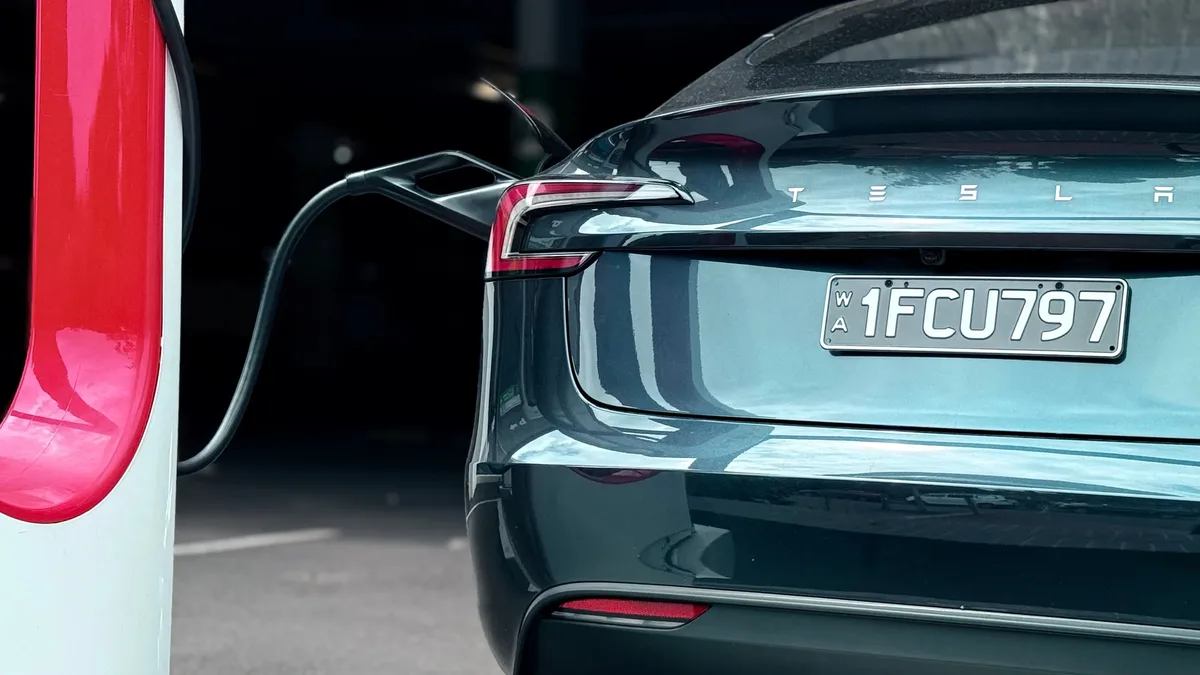
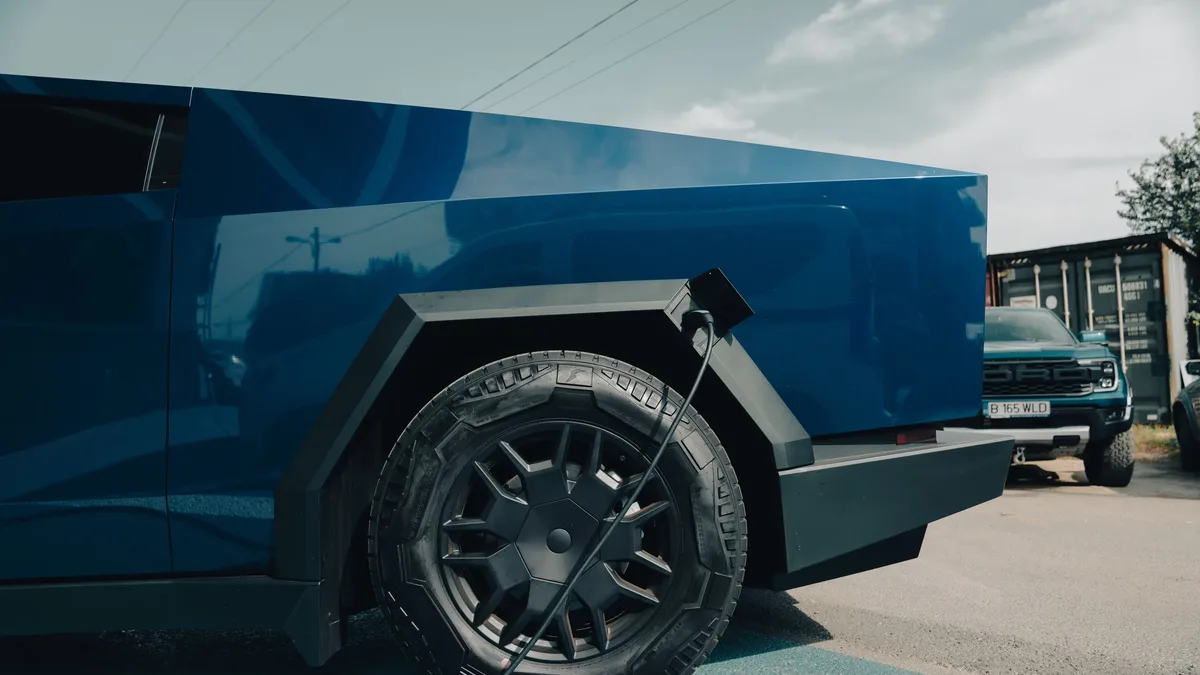
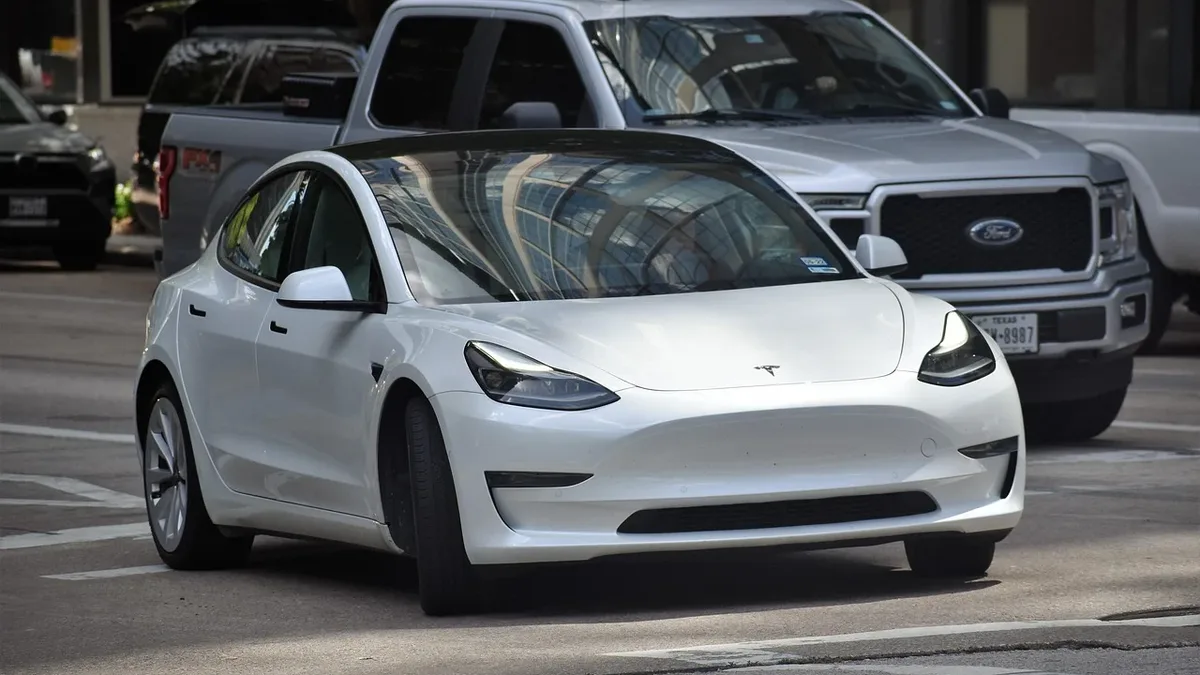
Tesla has expanded Powershare Home Backup to new Model 3 and Model Y vehicles, enabling vehicle-to-home functionality for the first time beyond Cybertruck. Tesla Energy stated the feature is 'now available for new Model 3 & Model Y with Powerwall 3'. This allows a compatible Tesla plugged into a home’s Wall Connector to send stored energy to the house during an outage, working alongside a Powerwall battery. The move brings Tesla's mass-market models into a capability long offered by competitors like Ford and General Motors. It significantly broadens access to vehicle-to-home technology for everyday drivers. The announcement was made via a Tesla Energy post on X dated October 6, 2026.
How the system works and what it requires
The feature uses the vehicle’s bidirectional capability via an inverter called PCS2 Lite. It requires a Powerwall 3 and a Wall Connector. If a home is already equipped with these, no extra hardware is needed. Powerwall owners do not need a dedicated Powershare Gateway and can use existing hardware. Tesla support must be contacted to activate the feature, which is then enabled through an over-the-air update. New Model 3 and Model Y vehicles output 11.52 kW continuous at 240V AC for Powershare Home Backup. This new output matches Cybertruck’s Powershare capability. The system has an 185A LRA motor start rating and UL1741 CRD certification.
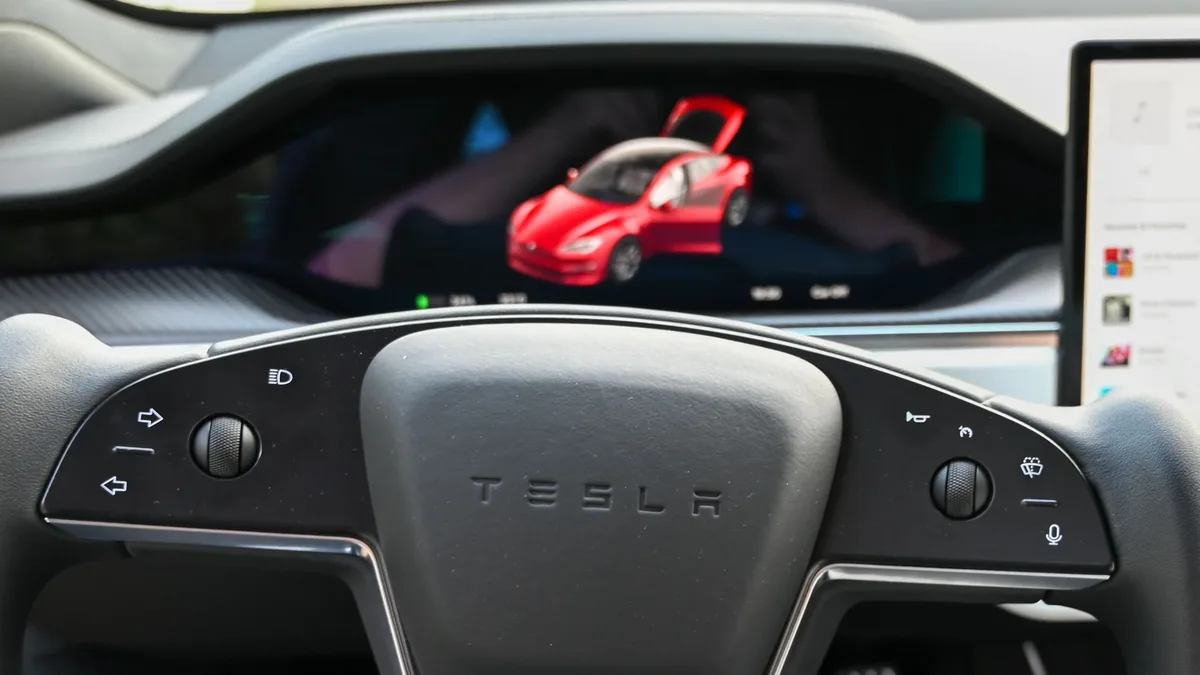
To check compatibility, users can go to Software > Additional Vehicle Info on the touchscreen and look for 'Powershare Support: Enabled'. All Model 3 and Model Y trims now include hardware for bidirectional power delivery up to V2H support. Previous V2L-supported trims were limited to 2.4 kW output. Inside the vehicle, users can set limits for how much of the battery Powershare can discharge.
Backup capacity and usage details
Tesla estimates backup duration based on vehicle battery size, assuming average U.S. home usage of 30 kWh per day and the vehicle charged to 90%. A Model 3 or Model Y adds 'over two days' of backup under these conditions. Standard trims get 'up to two days' of backup. The vehicle stores roughly five to six times as much usable energy as a Powerwall 3, which holds 13.5 kWh of usable capacity. The maximum continuous output for the Powerwall 3 setup is 11.52 kW. Cybertruck’s 123 kWh pack enables over three days of home backup under the same conditions.
Availability, limitations, and context
Tesla guarantees the feature only on Model 3 and Model Y vehicles ordered in the U.S. and Puerto Rico on or after October 1, 2026. For vehicles built before that date, Tesla states 'some, but not all' Model 3 and Model Y vehicles have the capability. The feature is available only in the US and Puerto Rico; Tesla's Canadian site still lists Powershare as Cybertruck-only. Model S and Model X are not included. Without a Powerwall, home backup is not possible for Model 3 and Model Y. Cybertruck owners can use a Powershare Gateway instead and it remains the only Tesla vehicle capable of standalone home backup.
Grid Support, which involves selling power back to the grid for compensation, is 'not available for Model 3 or Model Y'. It is available for Cybertruck in limited markets. Tesla may be avoiding undercutting its energy business by not allowing cars to replace home batteries. Elon Musk said at a company event: "I don’t think very many people are going to want to use bidirectional charging, unless you have a Powerwall."
Tesla has lagged behind some rivals in this field. Ford launched home backup on the F-150 Lightning in 2022 with 9.6 kW of output. GM committed in 2023 to bring vehicle-to-home to every Ultium-based EV by model year 2026 and has delivered on that commitment. GM Energy's compatibility list includes Equinox EV, Blazer EV, Silverado EV, 2027 Bolt, GMC Sierra EV, Hummer EV, and five Cadillac models. Kia offers vehicle-to-home on the EV9 via a Wallbox bidirectional charger. Ford and GM require separate inverters and backup hardware for vehicle-to-home, unlike Tesla’s Powerwall 3-dependent setup.
At Tesla Investor Day in March 2023, Drew Baglino, then SVP of powertrain and energy engineering, said bidirectional charging could come 'within the next two years'. Tesla recently added V2L functionality to all Model 3 and Model Y vehicles built at Giga Shanghai, which may be next in line for V2H support. The Tesla Model 3 is also receiving a larger 16-inch infotainment screen, up from 15.4 inches.
Tesla plans to extend Powershare support to Powerwall 2 and Powerwall+ units, with U.S. rollout first followed by other markets.