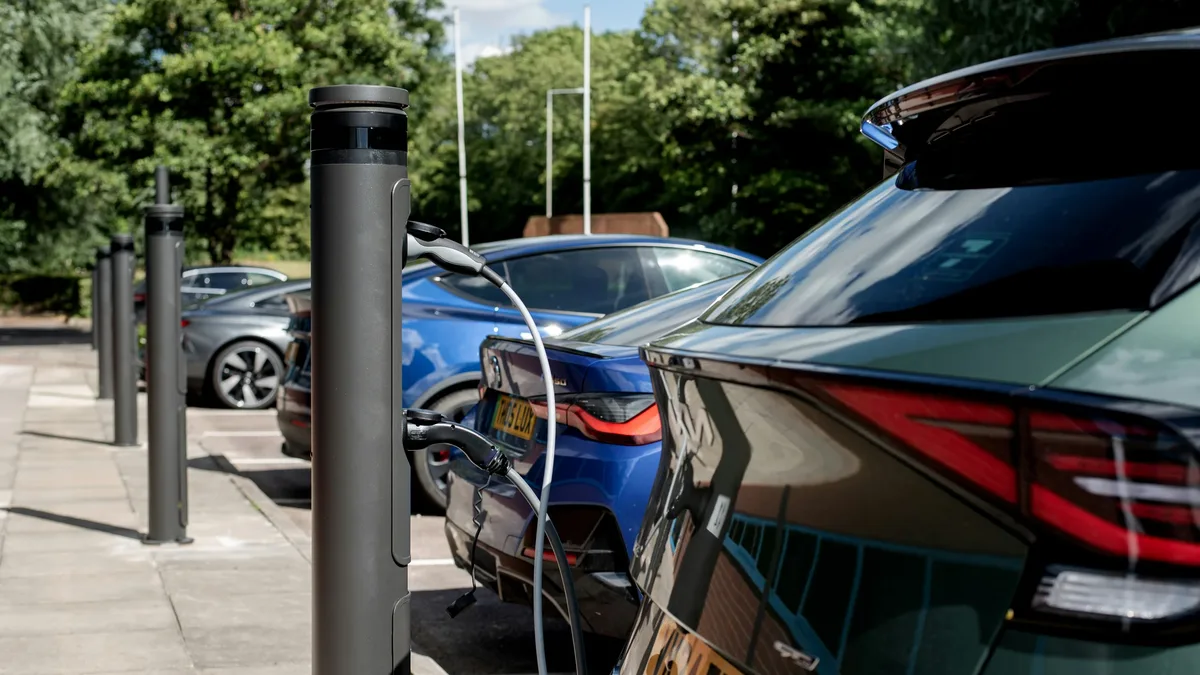
Flame-retardant foams enable safer, high-density EV batteries
Advanced flame-retardant foams are solving critical thermal safety challenges in next-generation EV battery designs, enabling lighter, more energy-dense cell-to-pack and cell-to-chassis architectures.
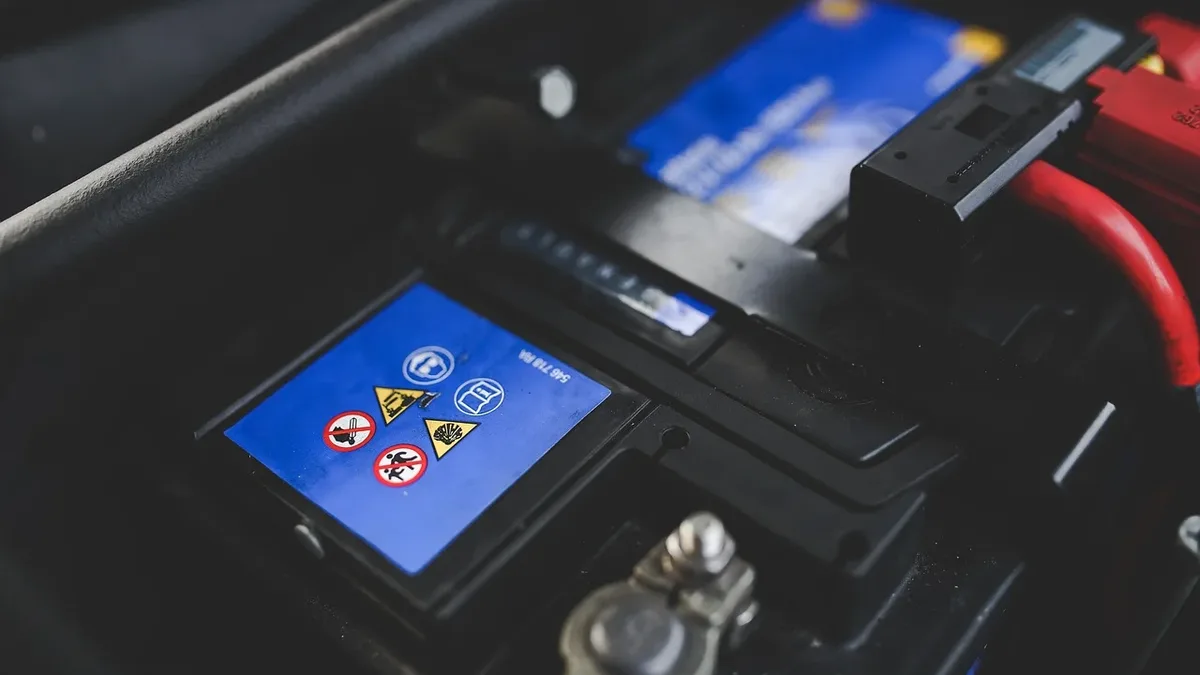
As automakers adopt cell-to-pack and cell-to-chassis architectures to maximize energy density, managing heat and preventing thermal runaway has become a foundational safety requirement. The shift from older designs removes module housings and integrates cells directly into the pack or vehicle structure. This improves energy density for longer driving ranges. It also reduces weight and manufacturing complexity. Higher energy density creates significant thermal challenges. Excessive heat can accelerate battery degradation and increase the risk of dangerous thermal runaway events. Maintaining stable operating temperatures is now a prerequisite for performance and safety.
How flame-retardant foams solve safety and weight challenges
Structural flame-retardant foams are replacing mechanical components while mitigating thermal propagation. They reduce weight and enhance battery integrity in next-generation designs. These materials are increasingly expected to contribute to thermal management while maintaining structural performance. They replace heavier mechanical supports and plastic components.
Flame-retardant foams provide multiple functions:
For cell-to-pack and cell-to-chassis configurations, these foams enable the removal of mechanical components while maintaining safety. They unlock higher energy density. High-performance versions are engineered to slow or prevent thermal propagation entirely. Flammability standards like UL94 provide benchmarks, with V-0 ratings indicating rapid self-extinguishing. As safety emphasis grows, materials contributing to thermal protection are becoming competitive differentiators.
Material innovation as a competitive differentiator in EV batteries
Beyond compliance, advanced materials like flame-retardant foams are now key enablers of safer, lighter battery systems. The future of electrification extends to commercial transportation, off-highway equipment, and electric aviation. Material innovation is becoming a key driver of battery innovation. Thermal management by design is no longer optional.
H.B. Fuller offers a range of flame-retardant foams globally. In the United States, H.B. Fuller EV Protect 4006 is a semi-structural foam that minimizes battery weight and protects from thermal propagation. H.B. Fuller EV Protect 5008 provides enhanced structural support for battery components. H.B. Fuller EV Protect 5009 is a highly structural foam ideal for cell-to-chassis designs, allowing manufacturers to reduce traditional components.
Industry collaboration driving next-generation EV battery solutions
Early partnership between battery designers and materials experts is accelerating development. This collaboration helps avoid costly production challenges in the global EV market. Automakers face pressure to deliver greater range, faster charging, lower costs, and improved safety. Other battery technologies are also advancing. Sodium-ion batteries offer cost advantages and long cycle life. Solid-state batteries offer higher energy density and improved safety.
Market growth varies by region:
H.B. Fuller’s role in advancing EV battery safety and performance
The company provides specialized flame-retardant foams tailored for structural and semi-structural roles. It collaborates with battery manufacturers, OEMs, and system integrators worldwide to develop solutions for next-generation electric mobility. Early collaboration between battery designers and materials experts can optimize designs and accelerate development timelines.