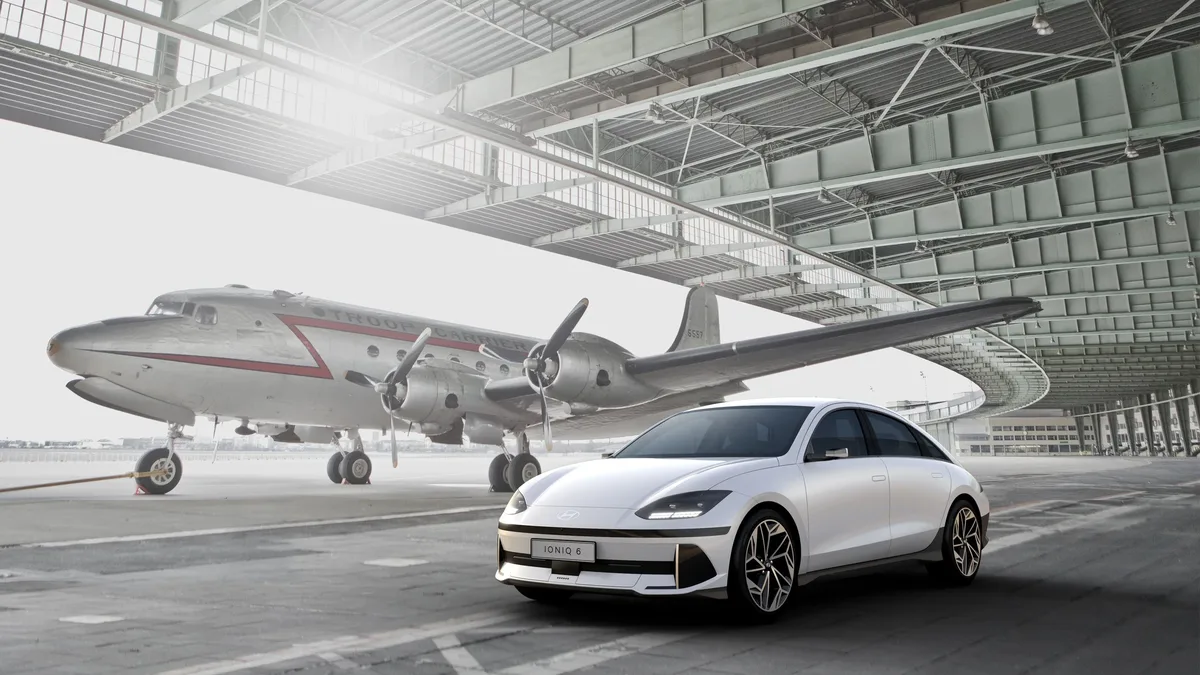
Hyundai sees small-volume solid-state EVs
Hyundai's R&D chief Manfred Harrer expects limited-production electric vehicles with solid-state batteries to reach market within five years, but high raw
Hyundai's solid-state battery timeline points to small-volume EVs within five years. The automaker's research and development chief, Manfred Harrer, believes halo cars with the advanced battery packs will be on the market within that period.
Technology and challenges
Solid-state batteries replace the liquid electrolyte found in current lithium-ion cells with a solid material, often a ceramic or polymer. This fundamental change promises significant improvements in safety and performance. The technology could enable smaller battery packs, faster charging times, and longer driving ranges.
No manufacturer has yet achieved automotive-scale production of these cells. The most formidable barrier remains cost. Raw material expenses for solid-state batteries are projected to stay extraordinarily high for many years, which will limit their use to niche vehicles. Harrer is skeptical that this core economic challenge can be solved soon.
"I am not believing you can solve the raw material cost problem in five years from now," Harrer said. Batteries represent the most expensive component of an electric vehicle, making cost reduction critical for widespread adoption.
Industry activity
Nearly every major automaker is now pursuing solid-state technology through internal projects or partnerships, reflecting a high-stakes industry race.
Hyundai's strategy is particularly focused on control. The group intends to own the core technology and the entire supply chain for its solid-state batteries, and is investing heavily in its own battery manufacturing capabilities. Harrer emphasized the necessity of this commitment, stating, "You must be in the game."
Current state of demonstrations
While consumer-ready cars are still years away, demonstration prototypes are already rolling. A Ducati motorcycle has been equipped with cells from QuantumScape, and Mercedes-Benz has integrated solid-state technology from Factorial into a test vehicle. These projects prove the concept works in a vehicle but fall short of volume production.
Hyundai's nearer-term battery evolution will be seen in more conventional technology. The company plans to install its own in-house nickel-manganese-cobalt battery cells in the Santa Fe extended-range electric vehicle, which is scheduled to launch early next year.