Bay Area Adopts Nation's Strictest Clean Water Heater Standards
The Bay Area Air District has voted to implement the nation's strongest clean water heater standards, requiring zero-emission appliances by 2028 to reduce smog and improve public health.
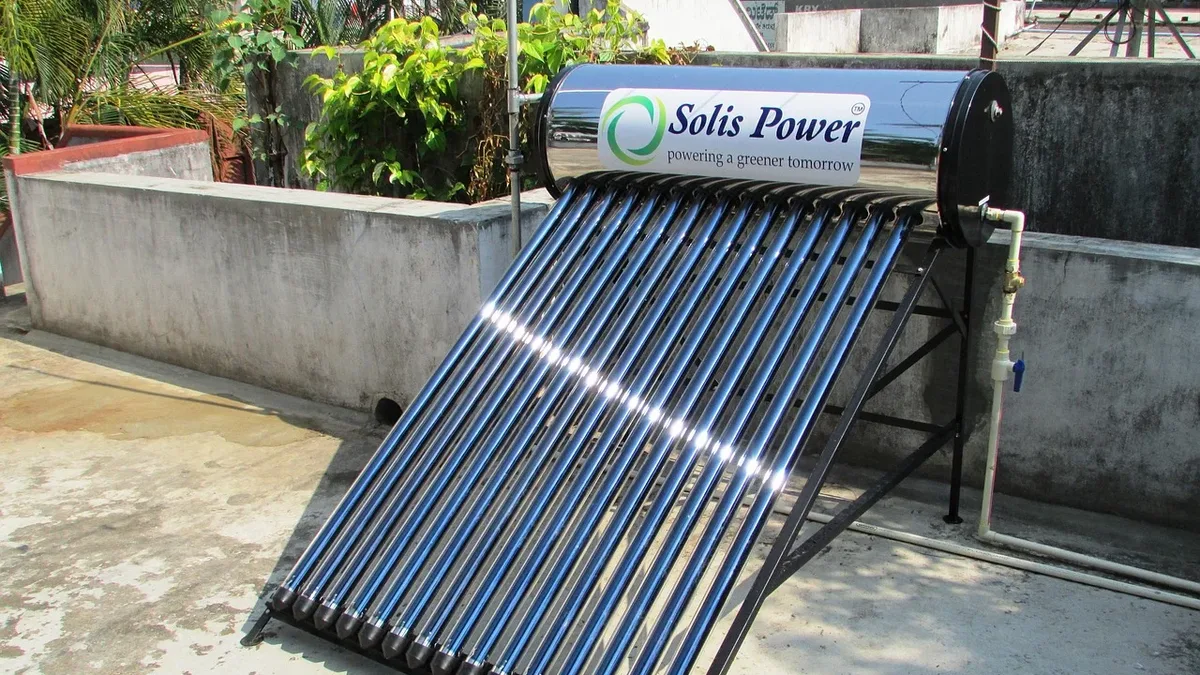
The Bay Area Air District board has approved Rule 9-6, moving forward with the nation's strongest clean appliance standards for water heaters. The vote delays a ban on new natural gas water heater installations to January 2028. The standards will take effect beginning in 2028, requiring households to install clean air-compliant water heaters as existing gas units fail.
Health and emissions benefits drive policy
Health and emissions concerns are central to the new rule. Gas water heaters in Bay Area homes produce more nitrogen oxide pollution than all passenger cars combined. The Air District estimates the standards could prevent up to 85 premature deaths and 15,000 asthma attacks annually. The air district staff expects the mandates will save more than a billion dollars in health care costs each year.
Financial considerations and support mechanisms
Households face significant upfront costs for the transition. A heat pump water heater model is, on average, $3,500 more expensive than a natural gas version. However, new research indicates $360 in annual savings for Bay Area residents switching from gas to heat pump water heaters. The transition would also save homeowners up to $50 on utilities each year.
Substantial financial support is planned. SPUR projects $315 million in rebates for home energy efficiency will be available over the next three years. More than $120 million annually will be invested in home electrification and energy-efficiency incentives by Bay Area cities, utilities, and regional programs.
Exemptions and implementation timeline
The air district approved several exemptions to ensure a workable transition. Income-based exemptions exist for households earning under 80% of the area median income. Exemptions also apply to low-income homeowners contributing more than 28% of their income to mortgage and property tax costs, and to those enrolled in public assistance programs.
Homeowners not qualifying for income exemptions may qualify for one-time exemptions based on space constraints or electrical limitations. Property owners may install natural gas water heaters smaller than 30 gallons. Owners needing electrical upgrades can use an emergency loaner program to install a gas water heater temporarily. The board deferred compliance for multi-family buildings and deed-restricted affordable housing to 2033.
Community opposition and advocacy
The vote followed thousands of public comments in support of the standards despite an industry-backed opposition campaign. Supporters, including groups like Clean Heat and Earthjustice, stated the standards align climate policies with affordability, reduce smog pollution, create job growth in heat pump businesses, and improve energy access and comfort.
Board member Shamann Walton, a vocal opponent, described the ban as an unfunded mandate causing severe financial strain on working-class families and communities of color. Board member Steve Young presented a motion to allow staff to seek a repeal, which failed overwhelmingly. Board member Bilal Mahmood called the vote a moment in history and urged colleagues to view it as such.
The air district's jurisdiction covers Alameda, Contra Costa, Marin, Napa, San Francisco, San Mateo, Santa Clara, southwestern Solano, and southern Sonoma counties. The water heater mandate, first passed in 2023, is the nation's most aggressive clean-appliance policy. The board also confirmed that households must replace broken natural gas furnaces with non-polluting alternatives in January 2029. The policy's restrictions on gas water heaters are set for implementation in January 2028.