Germany Backs EU-Wide Tesla FSD Approval With New Name
German regulators have agreed to support EU-wide approval of Tesla's Full Self-Driving system, contingent on renaming it 'Tesla Assisted Driving' and capping its speed offset to a maximum of 10% above legal limits.
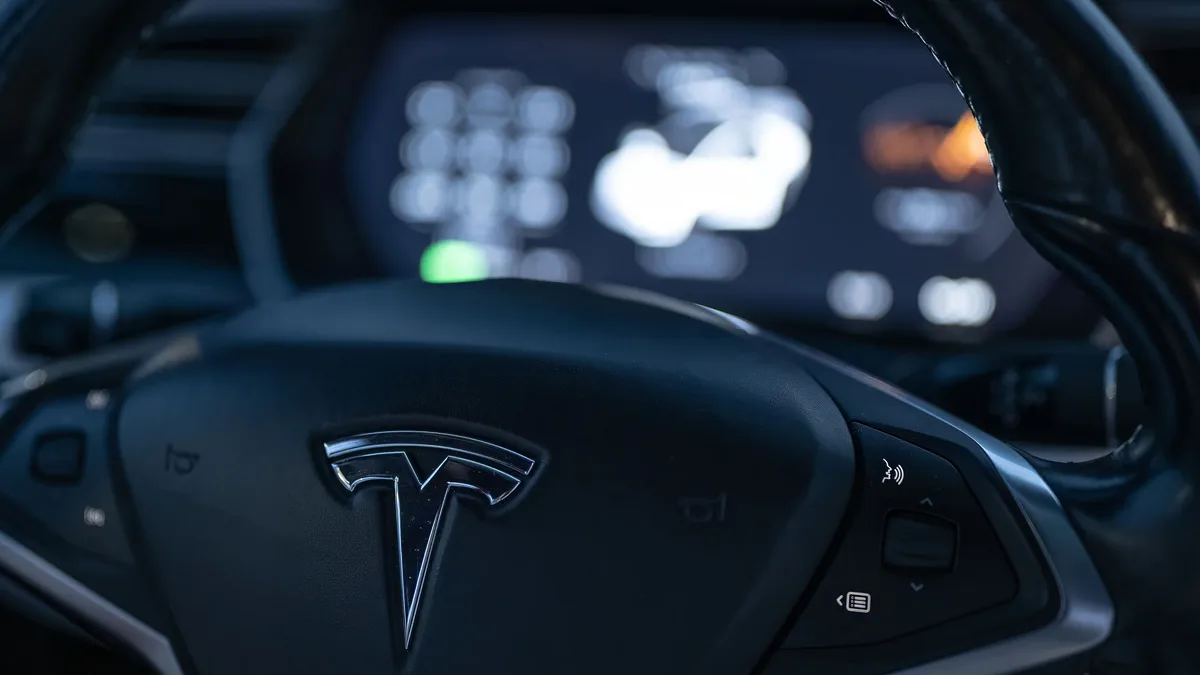
Germany's Transport Ministry has agreed to support EU-wide approval of Tesla's Full Self-Driving system if it is renamed and speed limits are capped. The ministry wants the system, currently called Full Self-Driving (Supervised), to be rebranded as 'Tesla Assisted Driving' (TAD) for the European market. Federal Transport Minister Steffen Bilger reportedly reached an agreement with Tesla in September regarding the system's future.
Germany's conditions for backing FSD include the name change and restricting the system so it exceeds the posted speed limit by a maximum of 10%. If these terms are met, Germany will support continuing the European approval process to bring the tech to drivers 'as quickly as possible while maintaining high safety standards.' The ministry states that the parties reached agreements on technical issues and responsibility, after which the minister called for the system’s timely approval at the EU level.
Technical and naming concessions from Tesla
Tesla has agreed to rename Full Self-Driving to 'Tesla Assisted Driving' and accept a 10% speed limit excess to address regulatory concerns. German regulators support EU-wide FSD approval with a speed offset capped at 10% above the limit. Tesla offered the new name to make clear that drivers remain fully responsible for operating the vehicle.
The ministry acknowledged that a slight exceedance of the limit can sometimes contribute to smoother traffic flow. Regulators were concerned about the technology's long-controversial name, which they consider misleading. The ministry also noted that the system performs steering, acceleration and braking without requiring driver intervention, which may cause confusion.
Current European status and approval path
While FSD is already available in eight European countries, EU-wide approval remains pending and requires a qualified majority vote. Other countries may separately recognize a German authorization, but Europe-wide approval requires a separate vote by EU member states. Drivers already have access in the Netherlands, Belgium, Denmark, Lithuania, Estonia, Slovenia, the Czech Republic, and Croatia.
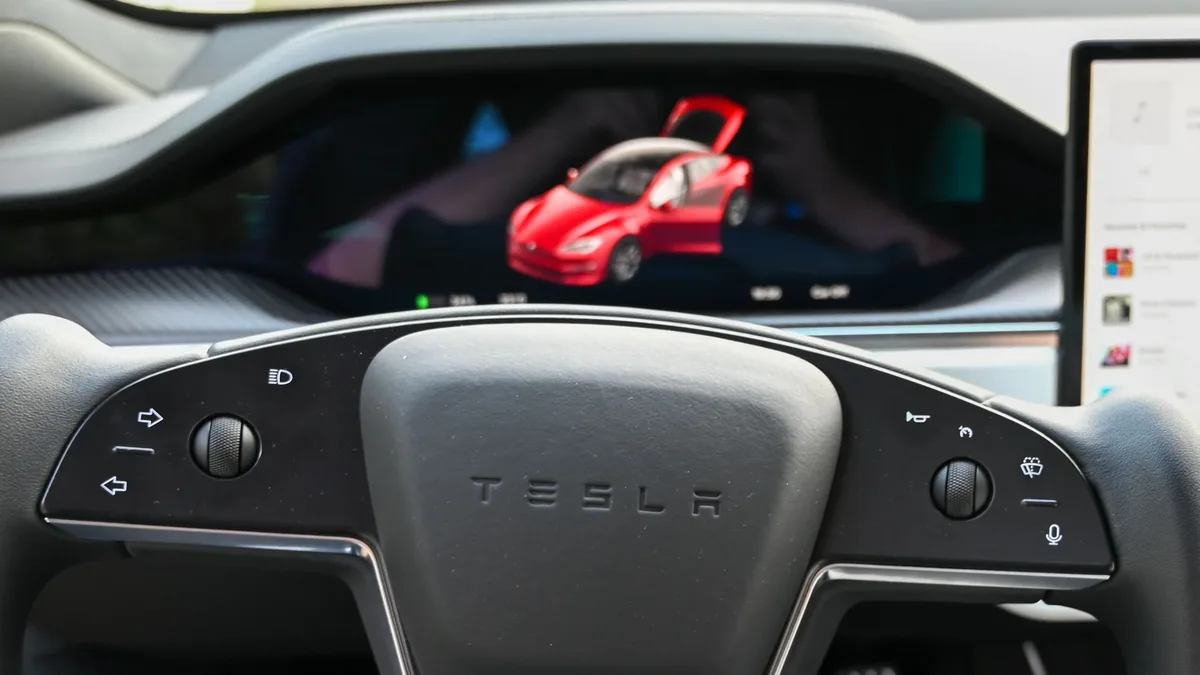
The EU vote on bloc-wide FSD approval was delayed from October 6 to December at the earliest. Tesla needs a qualified majority of at least 15 countries in favor. The company is in deep talks for FSD approval in Ireland, and other countries like Italy are nearing decisions. Globally, FSD has been approved for use in a total of 16 countries. With Germany likely joining Tesla's side, the December vote looks more promising. European owners may see a TAD badge instead of FSD on their screens.
Performance and safety context
Early FSD demonstrations in Europe have put it in a very positive light. The system had no trouble handling incredibly tight cobbled streets in downtown Aarhus, Denmark, showing impressive spatial judgment with only minor mistakes. The ministry praises the system’s urban capabilities, stating it shows 'particularly high performance in urban traffic' and rarely requires driver intervention.
The 10% speed limit cap targets FSD's Speed Offset feature, which currently allows exceeding posted limits by up to 50% in some conditions. Germany had already raised concerns about overspeeding related to FSD last month. Sweden has urged Brussels to deny EU-wide approval over these concerns, with France and the European Transport Safety Council voicing similar objections. To secure EU approval, Tesla will likely need to either remove Speed Offset from its European build or cap it at 10%, as Germany recommends. The version approved by Dutch regulators also excludes the more aggressive ‘Mad Max’ driving mode available in the U.S.
What comes next for FSD in Europe
With Germany's backing, the December EU vote on FSD approval now appears more promising, pending final agreement on terms. Germany itself has not yet approved FSD for use on its own roads. The TAD name is also expected to be used for FSD in China, based on updates to Tesla's Chinese owner's manuals earlier this year.
Today, FSD costs €99 a month in European markets. It passed 1.48 million subscribers globally in July. The EU vote on bloc-wide FSD approval was delayed from October 6 to December at the earliest.