Tesla Robotaxi Austin Night Service Extended to 11 PM
Tesla has extended its Austin Robotaxi operating hours to 11 PM, a move linked to ongoing challenges for its camera-only system in detecting pets like cats.
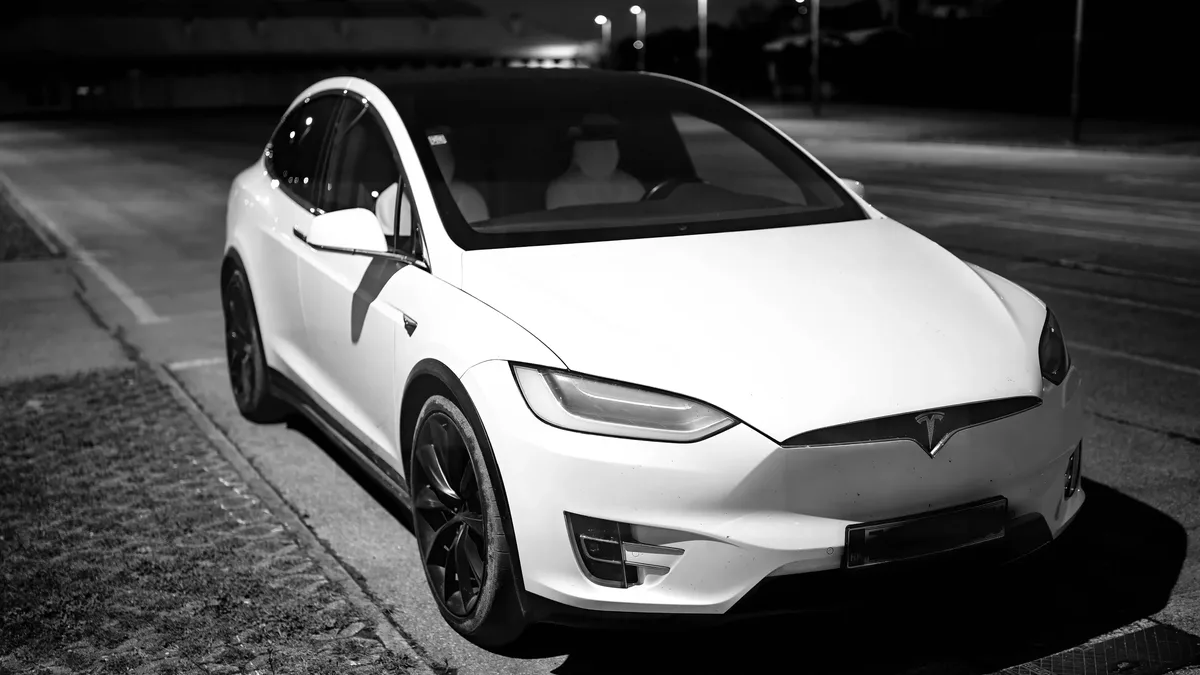
Tesla has extended its Robotaxi operating hours in Austin from 10 PM to 11 PM. The change addresses early-night visibility challenges with pets on dark roads, as the service now closes an hour earlier than its original midnight shutdown on launch day fifteen months ago. The sun sets a little after 7 PM in Austin right now, so Tesla's Robotaxis are already driving in the dark every night. Elon Musk announced the expansion, and the new 11 PM closing time applies in six markets: Austin, Dallas, and Houston in Texas, plus Miami, Orlando, and Tampa in Florida.
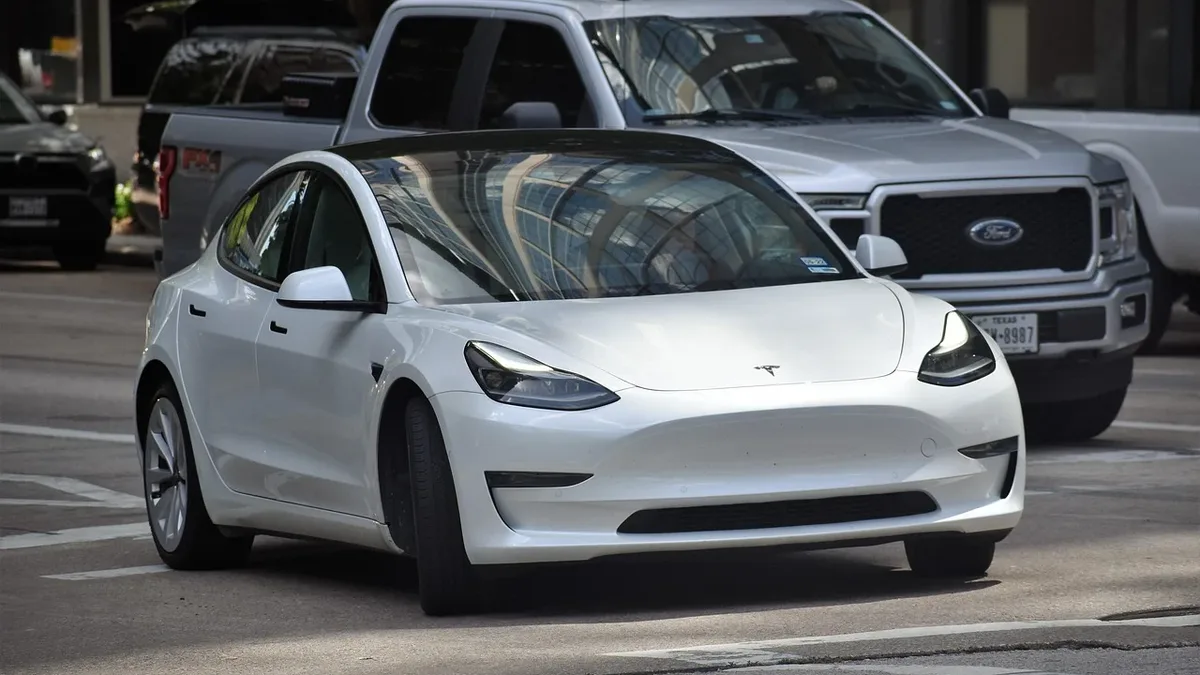
Customer Teslas run 'Full Self-Driving' on the same cameras at any hour, with no curfew. The National Highway Traffic Safety Administration is investigating Tesla's camera system for full self-driving capability in low visibility. This follows a September 2025 incident where a Tesla Model Y in Austin robotaxi service struck a dog that ran into the street. The dog ran away, apparently uninjured, according to Tesla's filing with the safety agency.
Vision-Only System Limitations in Low Light
Tesla's camera-only autonomy struggles with low-contrast scenarios like grey animals on dark pavement. A camera is a passive sensor that works with whatever light bounces off an object. A grey animal on grey pavement at night gives cameras very little light contrast. Tesla uses camera vision and sensors for navigation, with low or limited light limiting camera accuracy.
Cats and dogs are prone to darting unpredictably into the street, posing a higher risk than routine traffic flow. Elon Musk wrote that the main thing they are trying to solve is avoiding running over pets hard to see at night. Musk suggested AI-assisted camera processing can improve nighttime visibility, but gave no date for 24-hour operation and did not specify what Tesla is changing to solve the problem.
Industry Contrast: Waymo's Sensor Suite vs. Tesla's Approach
Waymo's use of lidar and radar enables 24/7 operation despite similar pet-detection challenges. Lidar is an active sensor that fires its own laser pulses to measure distance and 3D shape, working the same at midnight as at noon. Radar adds speed data. Waymo's sixth-generation system has a comprehensive sensor suite.
| System Component | Tesla's Approach | Waymo's Approach |
|---|---|---|
| Primary Sensors | Cameras only | 13 cameras, 4 lidars, 6 radars |
| Radar | Removed in May 2021 | Included |
| Lidar | Never shipped | Included |
| Ultrasonic Sensors | Dropped in 2022 | Not specified |
| Operational Hours | Limited (e.g., 6 AM-11 PM) | 24 hours a day |
Tesla has consistently diverged from this multi-sensor path. Elon Musk said, "Lidar is a fool's errand. Anyone relying on lidar is doomed." He later called it "a seductive local maximum" and claimed that lidar and radar reduce safety due to sensor contention. Despite Tesla's vision-only strategy, competitors like Waymo also face animal incidents. A Waymo vehicle struck and killed a cat in San Francisco last year.
Tesla launched its Robotaxi in Austin on June 22, 2025, with rides from 6:00 a.m. to 12:00 a.m. The company began removing safety employees from cars in Austin in January, with Musk stating he had just started drives with no safety monitor. The plan to address pet detection challenges through AI-assisted camera processing remains unspecified despite the Austin service extension.