Tesla Cybercab begins Asia tour as US
Tesla's Cybercab will be on display in four Asian cities this month, coinciding with the official start of its robotaxi service in Austin, Texas.
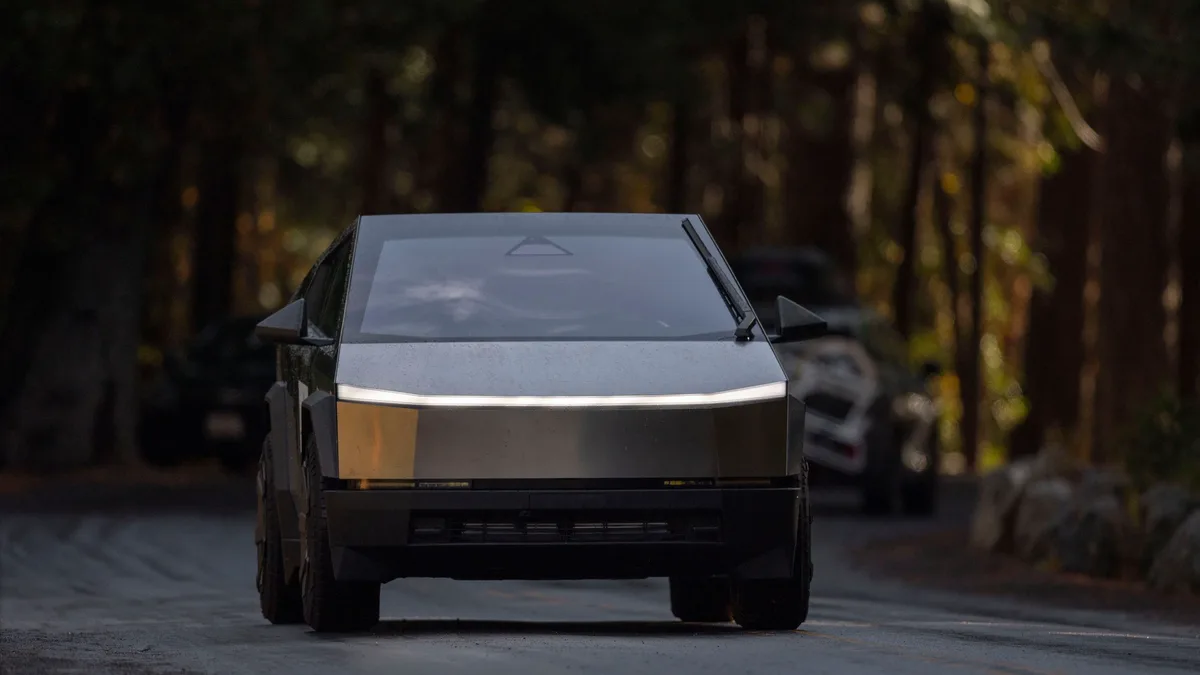
Tesla's Cybercab will be on display in Hong Kong, Tokyo, Beijing, and Shanghai this month. The announcement came via Tesla Asia's social media account on Thursday, September 4, 2026, hours after the company said it had begun offering rides in Austin, Texas.
Tesla has not released exact dates or venues for the Asian tour. According to Teslarati, responses from Tesla's regional accounts suggest the events will be static displays, not operational robotaxi services. The tour is seen as a marketing effort to generate interest in Tesla's future autonomous ride-hailing plans for major cities.
Nevada grants restrictive robotaxi permit
Separately, Tesla has received a permit to operate robotaxis in Nevada. The Nevada Transportation Authority issued the permit, but it comes with significant limitations.
The permit, active as of August 13, 2026, initially caps Tesla's fleet at just ten fully autonomous vehicles. Operations are confined to a geofenced area along the Las Vegas Strip corridor. This is a fraction of the 5,000 vehicles across Clark County that Tesla applied for in June.
| Permit Condition | Detail |
|---|---|
| Fleet Size | 10 vehicles (maximum) |
| Operating Area | Las Vegas Strip corridor (geofenced) |
| Speed Limit | Roads above 45 mph are barred |
| Airport Proximity | No pickups within 0.25 miles of Harry Reid International Airport without authorization |
| Vehicle Markings | Must display visible "Robotaxi" labels |
| Rider Notification | Must inform riders that no one is driving |
The order also requires "appropriate human supervision," indicating safety monitors may be necessary. Tesla must report any accidents, system failures, or stranded vehicles within five business days. The company enters a market where Amazon's Zoox already operates roughly 100 robotaxis.
A future built on autonomy
The Asian tour aligns with Tesla's broader corporate vision. At a Shanghai expo last November, a Tesla executive presented the Cybercab as evidence of the company's mission. This was later formalized in Tesla's Master Plan Part IV.
That document states autonomous vehicles can improve transportation affordability, availability, and safety while reducing pollution. It frames the Cybercab and Optimus robot as hardware for an AI-driven push to lower the costs of transportation and labor.
Whether the Cybercab will operate as a robotaxi in Asia remains uncertain. China's autonomous ride-hailing market is already served by domestic companies like Baidu's Apollo Go and Pony AI. For now, the four-city tour is a promotional activity.
The Nevada permit's tight restrictions may not immediately hinder Tesla's plans. The company has stated it will not meaningfully scale its robotaxi fleet until its Full Self-Driving software version 15 ships, expected in late 2026 or early 2027. The permit grants Tesla the legal right to begin operations, but it is unclear if it will start before that software update arrives.