Tesla FSD Eligibility in Korea Tied to Vehicle Origin
Tesla's Full Self-Driving software remains unusable for most owners in South Korea despite payment, with access determined by where the car was built.
Tesla's Full Self-Driving feature is inaccessible to most Korean owners who paid for it, with eligibility hinging entirely on a vehicle's manufacturing location. Data confirms 99% of Teslas imported into Korea last year cannot activate FSD, a situation affecting about 80% of all Teslas sold there since 2023.
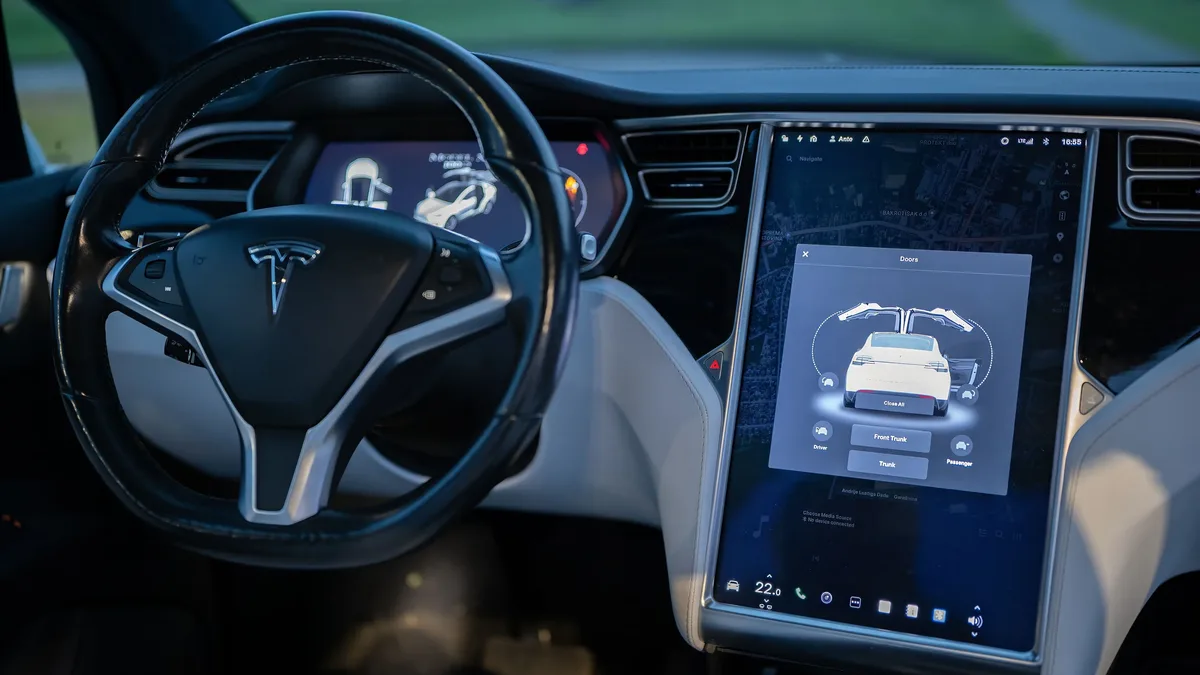
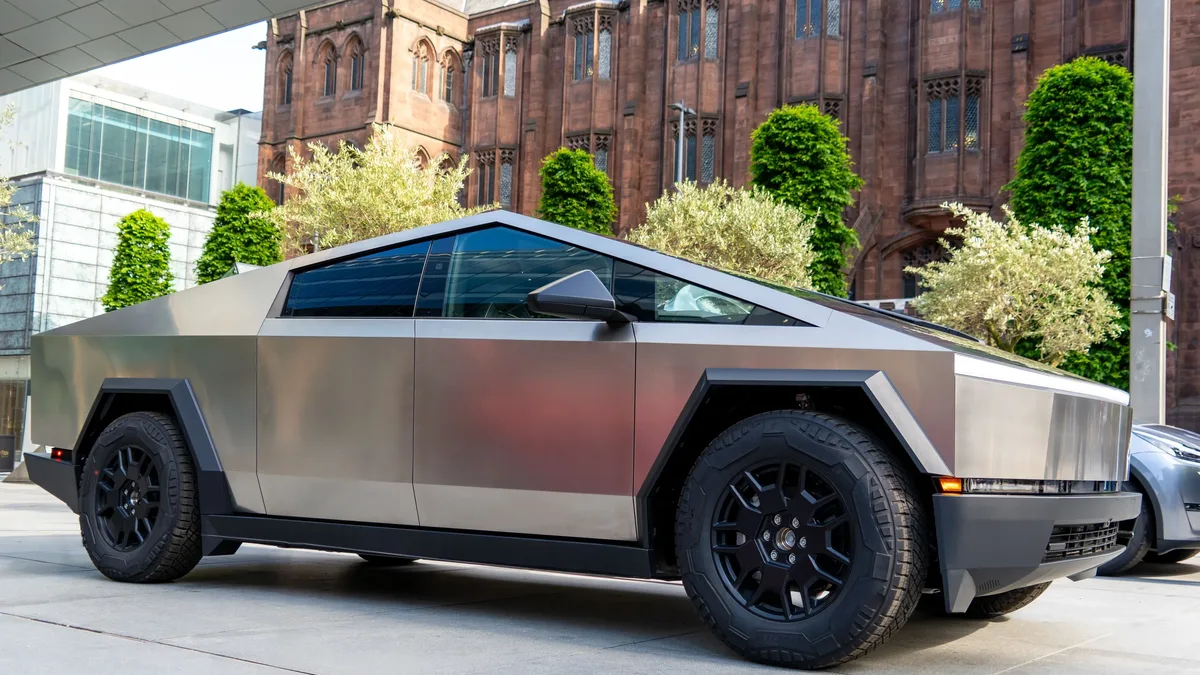
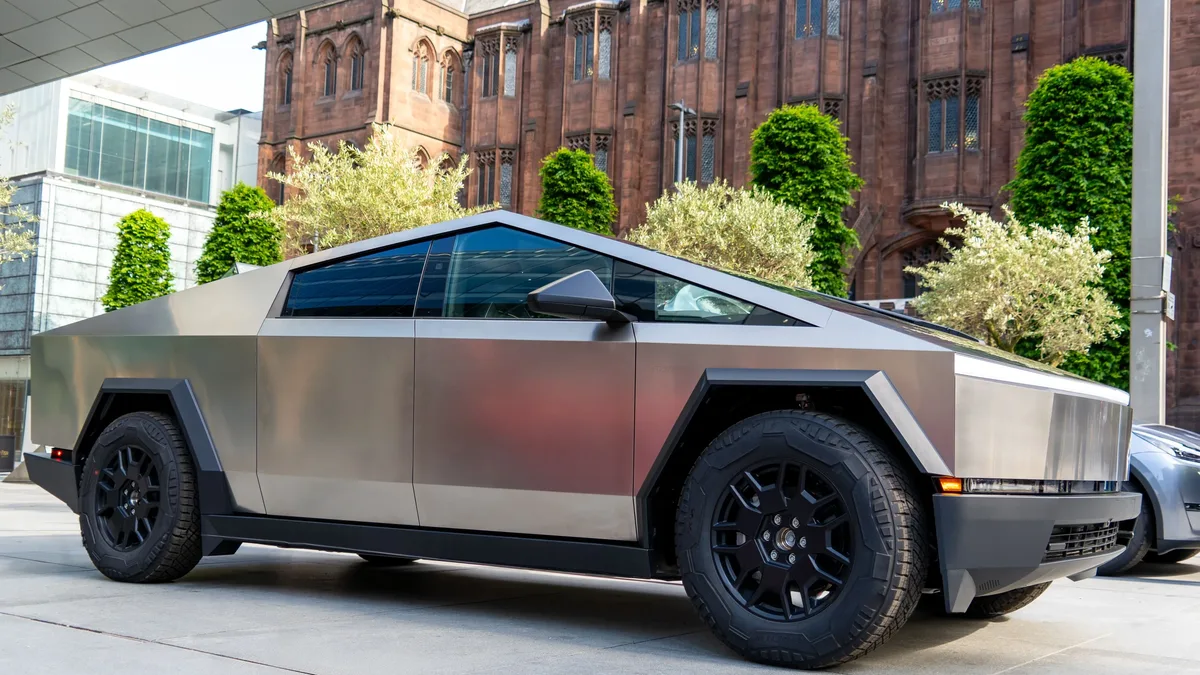
Only approximately 20% of Teslas registered in South Korea are eligible to enable the software. These are vehicles assembled in the United States, such as the Model S, Model X, and Cybertruck. Their eligibility stems from the KORUS free trade agreement, which recognizes U.S. safety standards. The majority of ineligible vehicles were manufactured at Tesla's Giga Shanghai plant in China, which lacks the necessary regulatory approval for FSD deployment. The confusing rollout has led some drivers to use illegal unlock devices, with estimates of such circumventions ranging from 2.4% to 20.7%.
Regulatory and Legal Challenges
Korean regulators and courts have dismissed refund claims while highlighting Tesla's advertising practices as the core issue. Last month, the Seoul Central District Court rejected a lawsuit from 88 Tesla owners seeking refunds. The court ruled Tesla did not break contractual obligations, stating that FSD delivery depended on technical advances and regulatory approval which buyers were aware "could take considerable time to become available."
However, a new complaint has been filed with the Korean Fair Trade Commission by the consumer advocacy group Citizens United for Consumer Sovereignty. It alleges Tesla collected up to 9.043 million won (about $6,726) per customer for FSD software that has been unavailable for over three years and that its advertising misled consumers about availability. The commission launched a probe into Tesla's advertising earlier this year but has declined to comment further. Tesla did not respond to requests for comment.
Vehicle Origin as Key Factor
The stark divide in FSD eligibility is directly tied to import volumes and trade agreements. Tesla has sold more than 170,000 Shanghai-built vehicles in Korea since 2023, with sales of these China-made cars growing more than fivefold in that period. Tesla Korea country manager Seo Young-deuk has stated that FSD works on about 20% of Teslas registered in the country, aligning with the figure for U.S.-built models.
Tesla initially charged Korean buyers a one-time fee for FSD before switching to a 150,000 won (about $112) monthly subscription in August. The company has collected FSD revenue from buyers of China-made cars for years but only applied for formal certification in Korea in October. Some owners who attempted to bypass the regional lock via a "jailbreak" now face potential jail time or fines of up to $15,000 for safety circumvention.
The Seoul Central District Court's dismissal of the refund lawsuit establishes that regulatory delays, not Tesla's breach of contract, are currently seen as determining FSD availability for Korean owners.