Colorado's Largest Electric School Bus Fleet Gets a Boost with New Charging Hub
Denver Public Schools has installed a 26-plug charging hub to support its growing electric school bus fleet, which now comprises 28 buses and 12% of its total fleet.
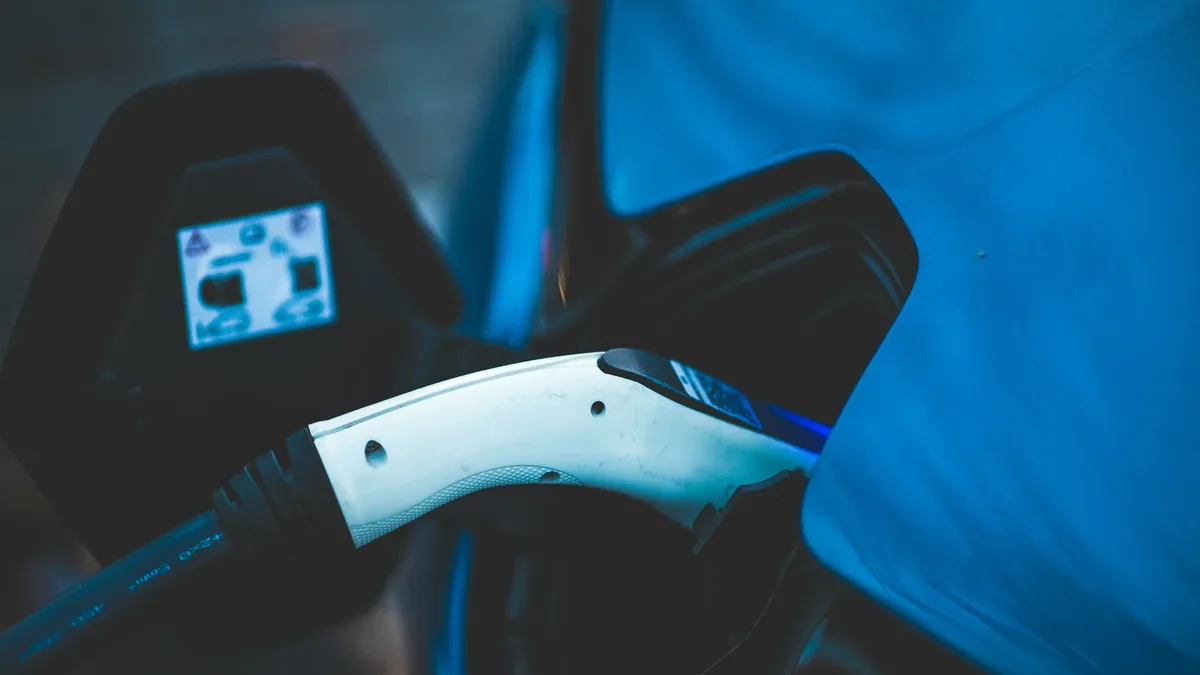
The Denver Public Schools district has taken a significant step towards reducing its carbon footprint with the installation of a 26-plug charging hub at its Hilltop Bus Terminal. This new charging hub will support the district's growing electric school bus fleet, which recently expanded to 28 buses with the addition of 25 new Blue Bird Vision electric school buses.
Charging Infrastructure
The charging hub is equipped with a Kempower distributed charging system, which has a total power capacity of 650 kilowatts. This system is designed to dynamically distribute power across the plugs, allowing the district to prioritize buses that need more energy for longer routes. The hub features 13 dual-port Kempower Satellite dispensers, which can adjust the power supply to meet the specific needs of each bus.
The new charging hub is a crucial component of the district's plan to increase its use of electric vehicles and reduce its reliance on diesel-powered buses. With the ability to charge multiple buses simultaneously, the district can ensure that its electric fleet is always ready to run its daily routes. The charging hub is also backed by a smart charging and energy management system, which is managed by PowerFlex.
The estimated annual fuel cost for an electric bus is around $1,900, compared to $6,800 for a diesel bus. This translates to a projected annual fuel savings of around $123,000 for the 25 new electric buses. Additionally, the district expects the electric buses to require around 75% less maintenance than diesel buses, since they have fewer moving parts.
| Bus Type | Cost | Annual Fuel Cost | Maintenance Cost |
|---|---|---|---|
| Electric | $400,000 | $1,900 | 75% less than diesel |
| Diesel | $140,000 | $6,800 | higher than electric |
Environmental Benefits
The district's switch to electric buses is also expected to have a positive impact on the environment. With a goal of cutting its overall greenhouse gas emissions by at least 90% by 2050, the district is taking a significant step towards reducing its carbon footprint. The transportation sector currently accounts for 14% of the district's emissions, and the use of electric buses is expected to help reduce this figure.
Furthermore, the district is also concerned about the health impacts of diesel exhaust, which has been linked to asthma attacks, lung damage, and other serious health problems, particularly among children.
Conclusion
The installation of the new charging hub is a significant milestone for the Denver Public Schools district, and it marks an important step towards a more sustainable and environmentally-friendly transportation system. With its growing electric school bus fleet and advanced charging infrastructure, the district is well on its way to achieving its goal of reducing its greenhouse gas emissions and promoting a healthier environment for its students and the wider community.
Source: Electrek