Cross-Border HVDC Links Gain Value for
A 2026 analysis finds cross-border electricity interconnectors, particularly HVDC links, are increasingly valued for energy security and resilience, not
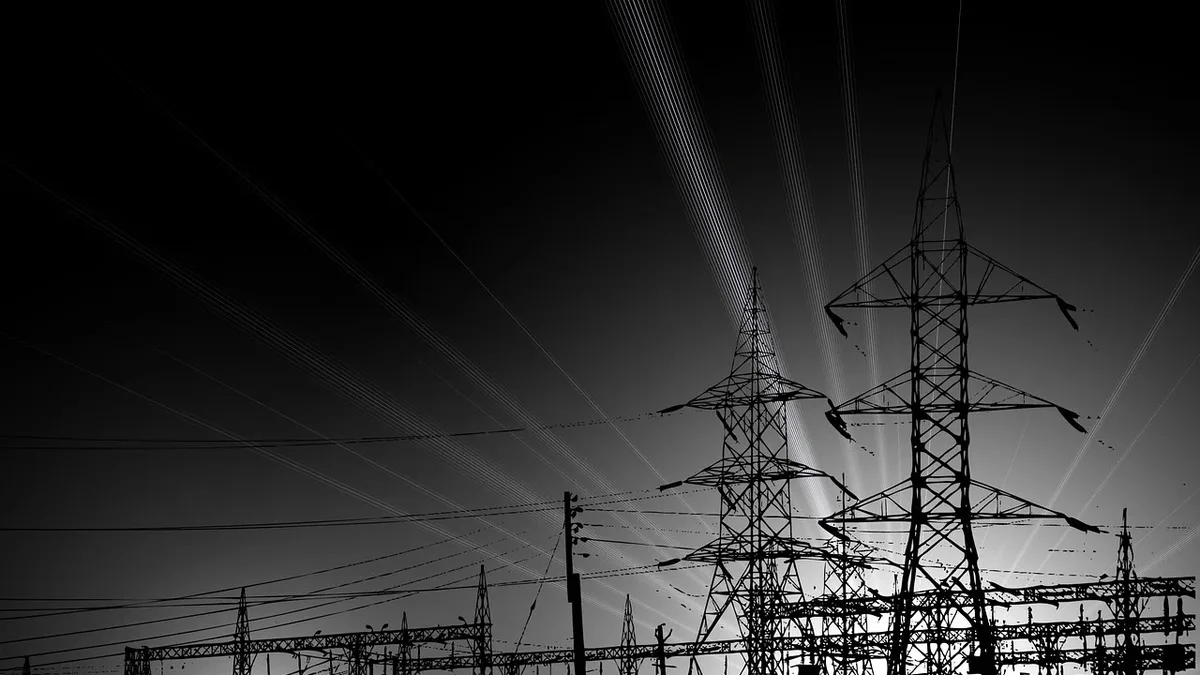
Energy security concerns are increasing the strategic value of cross-border electricity transmission. According to a July 2026 inventory by RTE International, about 60 prospective international high-voltage direct current (HVDC) links are in development, with Europe and its immediate neighbourhood dominating the project pipeline.
The analysis, published by CleanTechnica, argues that the response to geopolitical shocks like Russia's invasion of Ukraine has not been a retreat into electrical isolation. Instead, it has included advancing more cross-border electrical connections to build strategic interdependence.
The Shift from Fuel to Electricity Dependence
An electrical interconnector creates a fundamentally different type of dependency than a fuel pipeline. A gas pipeline delivers value only as long as fuel keeps arriving, leaving the importer exposed to volatile commodity prices and supplier behaviour. In contrast, an interconnector joins two existing power systems that contain their own generation, storage, and demand.
Electricity can flow in either direction, allowing countries to access diverse resources like hydro, wind, and nuclear across different jurisdictions.
This distinction is increasingly reflected in policy. The European Union's Agency for the Cooperation of Energy Regulators (ACER) now argues for stronger interconnection to support cross-border renewable use and improve security. Britain's Clean Flexibility Roadmap similarly places international links inside a wider security-of-supply portfolio alongside storage and demand flexibility.
Geopolitics Adds Value to Existing Logic
Geopolitical tension is an additional source of value for these projects, not the sole reason for their development. Russia's invasion did not cause every interconnector now planned for the 2030s. Projects are often justified by offshore wind integration, renewable balancing, and market efficiency long before security is considered.
Most large interconnectors take many years to develop. The evidence supports a narrower conclusion: geopolitical shocks have added security and resilience value to infrastructure that often already made economic and decarbonization sense. The Baltic-German PowerLink project, advancing toward EU Project of Common Interest status, illustrates this.
It is progressing even as infrastructure security becomes a major regional concern for Lithuania, Latvia, and Germany.
Portfolio Logic and Diversification
Not every cable automatically improves security. A single enormous interconnector can itself become a concentration risk. Subsea cables can fail or be attacked. Neighbouring countries can experience correlated weather patterns that reduce the benefits of sharing.
Strategic interdependence works through diversification. This requires several trusted counterparties, multiple connection routes, robust domestic generation, storage, flexible demand, and sufficient internal grid capacity. The useful comparison is therefore not one cable versus one domestic generator.
It is the cost and resilience of the wider energy system that would be required without the connection.
The important shift is not from dependence to independence. It is moving from a concentrated, continuously replenished fuel dependence toward a broader and more reciprocal electricity portfolio. This portfolio logic is now explicit in European analysis, which treats enhanced interconnection as a way to share flexibility across borders.
Source: CleanTechnica