EU Data Shows Plug-in Hybrids Emit Six Times Official Claims
New EU data reveals plug-in hybrid vehicles emit six times more CO2 on average than official lab tests claim, with the real-world gap widening.
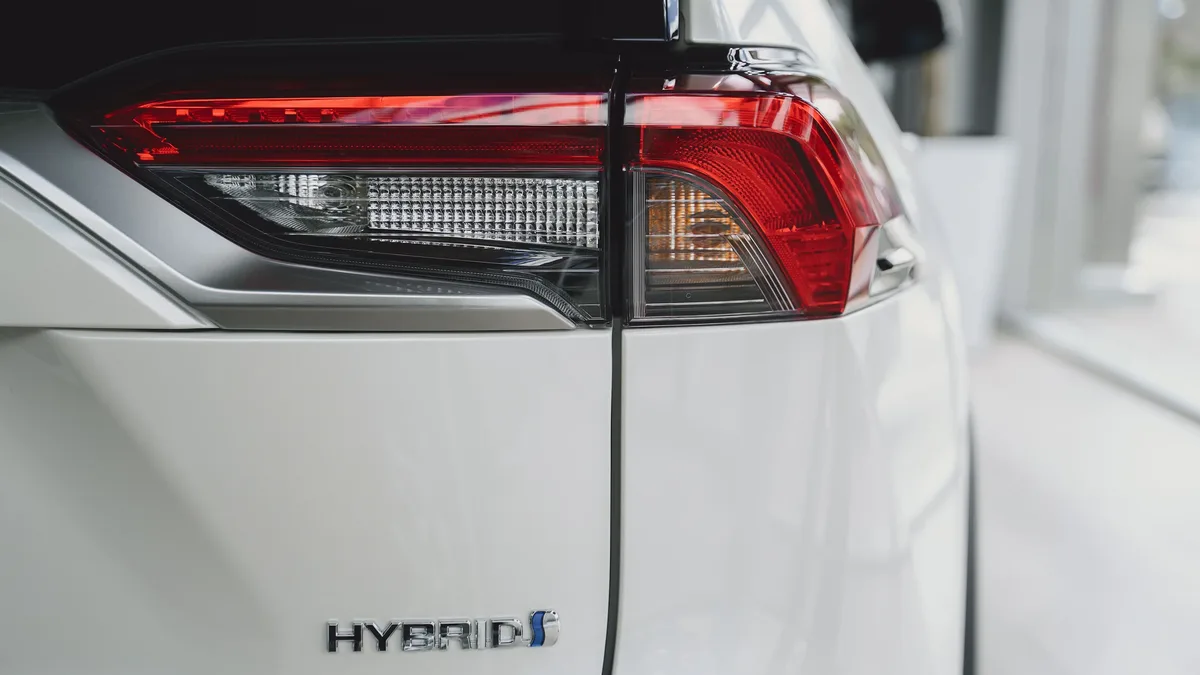
Plug-in hybrid vehicles emit six times more carbon dioxide on average than official test results claim. This finding comes from new 2024 data published by the European Union last week, analyzed by the campaign group Transport & Environment (T&E).
Real-world emissions from PHEVs averaged 145 grams of CO2 per kilometer, compared to just 24g per km in official laboratory tests. The data was gathered from fuel monitors installed on 220,000 plug-in hybrid vehicles across Europe. The gap between real-world and official emissions has widened every year since real-world measurements began in 2021.
The Widening Emissions Gap
The disparity is growing. Data for cars registered in 2023 showed real-world emissions were five times higher than official results. For 2024 models, that factor has increased to six times. Real-world emissions rose 5% year-over-year, even as official test results decreased by 15%. Carmakers have claimed PHEV performance improved during this period.
With real-world emissions at 145g/km, plug-in hybrids only emit 14% less than conventional combustion cars, which average 169g/km. The previous year, that gap was 17%. T&E states this highlights that PHEV emissions are increasingly similar to those of regular petrol or diesel cars.
Carmaker Lobbying and EU Rules
The car industry is pushing to cancel a planned 2027 regulatory update. This update would tighten the gap between real-world and official emissions by revising 'utility factors' used in calculations. The industry group ACEA is leading this effort. Last year, the European Commission proposed allowing PHEV sales beyond 2035, a concession to carmakers. Negotiations on revising car CO2 standards are currently underway.
Lucien Mathieu, cars director at T&E, criticized the industry's position. "Plug-in hybrids are one of the auto industry’s greatest greenwashing stunts, marketed as a green solution, yet delivering a heavy environmental toll in practice," he said. Mathieu argued that utility factors are evidence-based policy designed to align official and real-world emissions.
Comparative Emissions Data
The following table compares the official test results with real-world emissions for plug-in hybrids over two years, based on the EU data analyzed by T&E.
| Model Year | Official Test Emissions (g CO2/km) | Real-World Emissions (g CO2/km) | Multiple of Official Emissions |
|---|---|---|---|
| 2023 | 28 | 138 | 5x |
| 2024 | 24 | 145 | 6x |
The EU has scheduled updates to the utility factors for 2025 and 2027. These updates aim to correct CO2 ratings and gradually close the gap. The goal is to ensure carmakers improve PHEV design and performance, rather than being rewarded on paper for cars that pollute nearly as much as combustion vehicles. Plug-in hybrids currently account for 9.8% of EU car sales.
The EU Council is expected to debate the issue on October 12. A vote in the EU Parliament is due in November.