EV charging on 100-amp home panel
A 100-amp home electrical panel can typically support a Level 2 EV charger, but at a reduced 24-32A setting rather than full power, according to EVIQO.
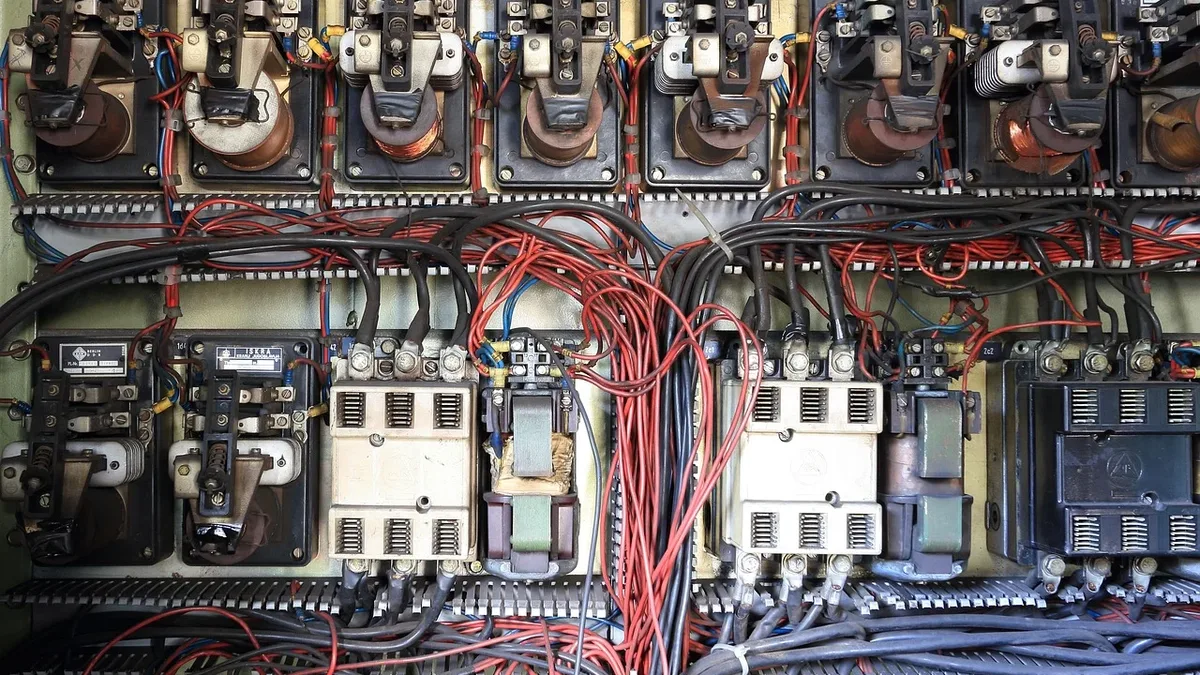
A 100-amp home electrical panel can usually run a Level 2 electric vehicle charger, but typically at a reduced 24 to 32 amp setting rather than the full 40 to 48 amps. The National Electrical Code classifies EV charging as a continuous load, requiring the circuit breaker to be rated at 125 percent of the charger's draw, a rule that makes spare panel capacity the critical factor.
According to a guide from EVIQO, using an adjustable-amperage charger set to a home's available capacity is often the difference between a zero dollar solution and a panel upgrade costing $1,500 to $4,000. The publication states that the recommendation for an upgrade stalls many EV purchases, but is sometimes given without a proper load calculation.
The 80% Rule and Panel Capacity
Because EV charging runs for hours continuously, the NEC mandates that a charger may draw only 80 percent of its circuit breaker's rating. This means a 40 amp charger needs a 50 amp breaker. That breaker must then fit within the remaining headroom in the electrical panel after accounting for other major appliances.
Homes with gas heating, gas water heating, and a gas range can frequently clear 40 amps of spare capacity even on a 100-amp service. All-electric homes usually have 24 to 32 amps available. The definitive answer comes from a load calculation performed by a licensed electrician under NEC Article 220.
Choosing and Using an Adjustable Charger
A fixed-amperage charger presents a binary yes or no decision for a panel. An adjustable unit reframes it as a setting. EVIQO notes that not every charger offers this feature, and the adjustment method, whether via an app or a physical switch, varies by model.
EVIQO's own Level 2 chargers adjust from 6A to 40A on the plug-in model and 6A to 48A when hardwired, all controlled via an app. This allows a unit to be installed at 24A on a current panel and later increased if the home's electrical service is upgraded. Even at 24A, charging adds roughly 20 miles of range per hour.
| Charger Amperage | Required Breaker | Approx. Miles Added Per Hour* |
|---|---|---|
| 24A | 30A | 18-22 miles |
| 32A | 40A | 24-29 miles |
| 40A | 50A | 30-36 miles |
| 48A | 60A | 36-43 miles |
*Range assumes 3.1-3.9 miles per kWh.
Key Questions and Certification
EVIQO advises homeowners to ask electricians four specific questions: what the Article 220 load calculation shows as available amperage, the largest charger breaker the current panel supports, what would change a low-amperage result and its cost, and whether the job requires a permit included in the quote.
Certification is critical for both safety and utility rebates. UL or ETL listing is typically required for installation sign-off. ENERGY STAR certification is a common condition for utility rebates, which buyers often discover only after purchase. EVIQO states its units are certified to ETL, FCC, and ENERGY STAR standards.
Legitimate reasons for a panel upgrade include charging two EVs at full power, an all-electric home conversion, or a panel already at its limit. For a single EV and a normal commute, the guide stresses running the load calculation first. All hardwired Level 2 charger installations require a licensed electrician, a permit, and an inspection.