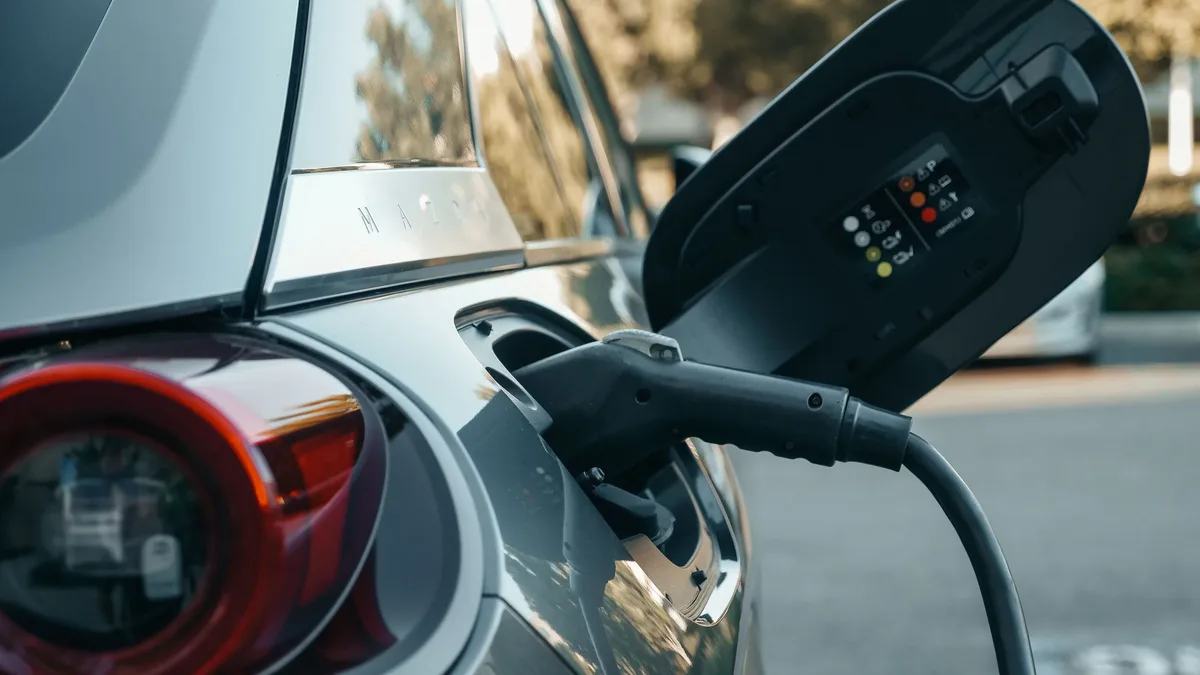
EVSE Lifespan: When to Replace Your Home Charger
An engineer's personal EVSE showed signs of wear through increased internal heating, prompting an investigation into charger lifespan.
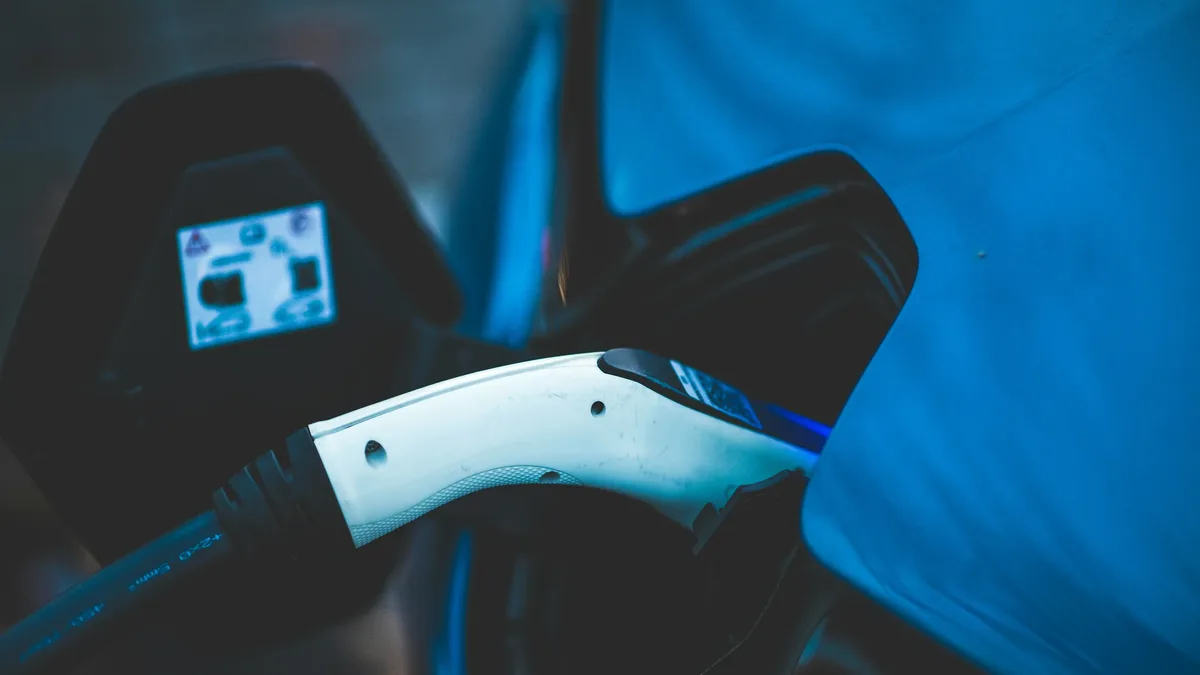
An aerospace engineer discovered his retired home EVSE was overheating during use. This personal case study highlights the opaque nature of electric vehicle supply equipment lifespan and the difficulty for average owners to diagnose wear.
The Case of the Overheating GoPlug
The author, a long-time EV driver, reinstalled a GoPlug brand EVSE after years in storage. While it functioned, data logging showed the unit's internal temperature rose 17 degrees Celsius in the first 15 minutes of a charging session by its seventh use. Consulting a designer of the unit revealed a decommissioning threshold: chargers are retired when they heat up by approximately 15°C during the initial 15 minutes of a session. The EVSE's internal protections were reducing power to manage the heat, but the underlying wear was progressing.
The Contactor Wear-Out Debate
Inside an EVSE, a component called a contactor acts as a heavy-duty switch for power. Chris Howell, a designer involved with the GoPlug and OpenEVSE, identified contactor degradation as the primary EVSE wear-out mechanism. Arcing during connection and disconnection can damage contact surfaces, increasing electrical resistance and generating substantial heat at high charging currents.
However, Theodore Bohn of Argonne National Laboratory presented a different view. Bohn, who chaired the drafting of the SAE J2953 interoperability standard, stated, "AC contactor failures are an outlier, not a measurable failure trend." He argued most AC EVSE problems stem from connector and cable wear and abuse, with a typical field lifespan of about ten years. He noted software obsolescence and capability upgrades often drive replacement before hardware failure.
The differing perspectives may reflect different use cases. A home garage EVSE leads a gentler life than public equipment subjected to daily handling.
The Diagnostic Dilemma for Owners
The author's diagnostic process was not typical. He noted, "I’m an aerospace engineer whose job for decades could sometimes be summarized as, 'Figure out how this can fail.'" He observed changing charge rates and abnormal warmth, then consulted a designer to interpret telemetry data. For the average consumer, an EVSE provides no simple odometer or clear failure indicator. The unit may continue charging while its performance degrades silently, protected by internal thermal management that reduces power.
A Call for Smarter EVSE Alerts
The article proposes that modern EVSEs, which monitor current, temperature, and sessions, should do more with that data. Instead of just throttling power when overheating, a unit could alert its owner to abnormal behavior. The author originally envisioned a lifetime stress "dosimeter" but concluded predicting exact failure is complex. The core idea remains: an EVSE should recognize when it is no longer operating as it did when new and communicate that change. The industry currently leaves that interpretation to data-obsessive owners with insider contacts.