Hertz EV Rental Missteps Highlight Need for Customer
A lack of consumer education on EV charging and range fundamentals, exemplified by Hertz's struggles, is causing owner frustration and missed opportunities
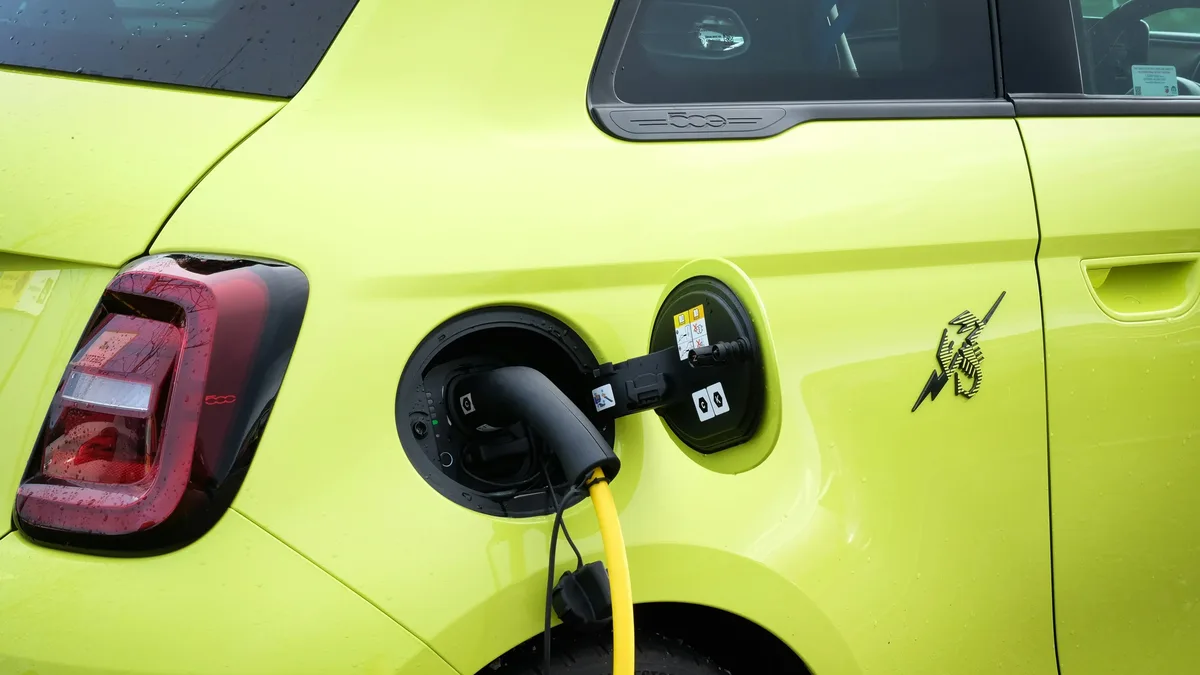
Hertz nearly faced renewed bankruptcy after its owners purchased 100,000 Teslas for rental without adequately informing customers on how and where to charge them. The incident shows a broader failure by automakers and dealers to educate buyers on the fundamental differences between electric and conventional cars, leading to customer dissatisfaction and hesitation.
A Volkswagen ID.4 driver, nearing the end of a three-year lease, was reportedly leaning toward returning to a gasoline car because her condo association refused an EV charger installation. She was unaware she could charge using a standard wall outlet, a method the source says powers a Chevy Bolt 90 percent of the time. The driver was also reportedly disappointed by slow cold-weather charging and had never heard of battery preconditioning, a feature detailed in her owner's manual.
Range Realities Versus EPA Estimates
Electric vehicle range requires a different mindset than gasoline car range. The EPA provides range estimates, but real-world usage typically starts from a 90 percent state of charge and stops for a recharge at 10 percent, effectively reducing the usable range by 20 percent. A 300-mile EPA estimate thus becomes 260 miles in practice.
Multiple factors further impact real-world range. Speed, hills, outside temperature, and use of climate control systems all significantly affect how far an EV can travel. Driving at 85 mph instead of 70 mph can reduce range by 20 percent or more, a stark contrast to the minimal impact on a conventional car's fuel economy. This is because internal combustion engines waste about 80 percent of a gallon of gasoline's energy as heat, while EVs are far more efficient.
The Complexities of Charging an EV
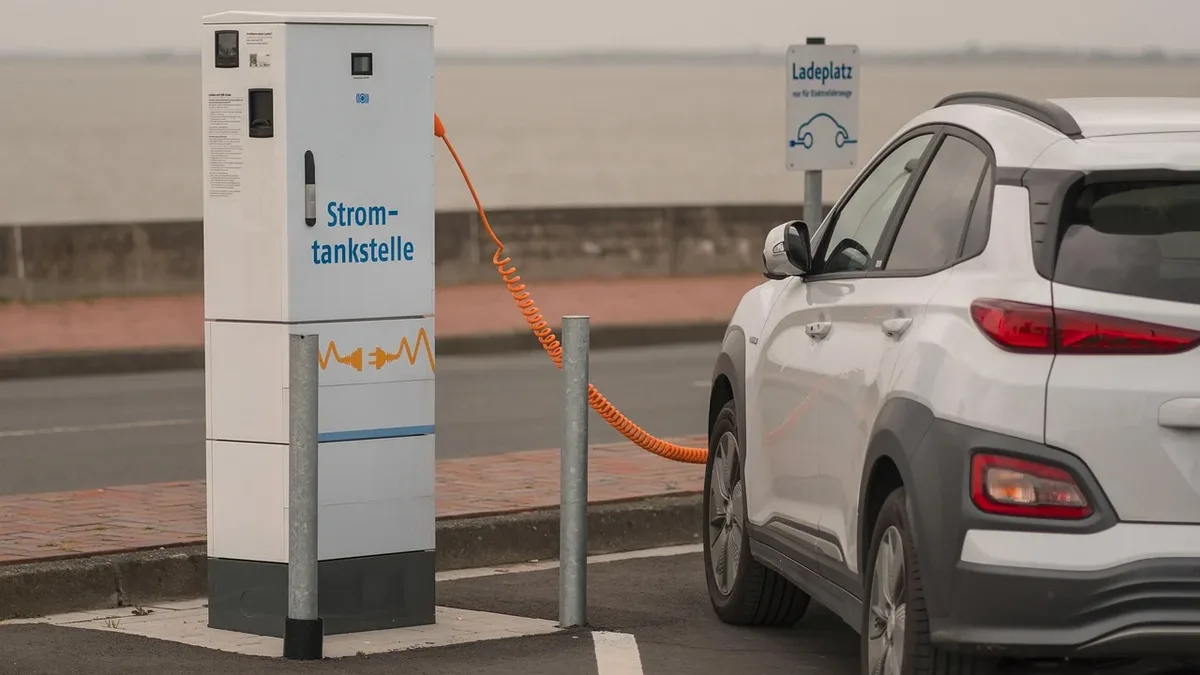
Charging introduces a host of new considerations for drivers. Payment methods vary; while Tesla Supercharger sessions bill a card on file, other networks may require specific apps or pre-loaded accounts. Finding available chargers can be done via Google Maps, A Better Route Planner, MapQuest, or, for Tesla owners, the company's own app which shows charger availability in real time.
A critical but often overlooked factor is the charging curve. Manufacturers advertise peak charging speeds, but the car's software algorithm reduces power to protect the battery, typically beginning to taper speeds after the state of charge reaches 40 percent. Charging slows significantly above 80 percent. "It is actually faster to do two charging sessions from 20 to 70 percent than one from 10 to 100 percent," the source states. Resources like EVKX and Recurrent provide detailed charging curve data for various models.
The Critical Role of Preconditioning
For the fastest charging, a battery must be at an optimal temperature. Tesla vehicles automatically precondition the battery when a driver selects a Supercharger as a navigation destination. For other brands, drivers must manually activate preconditioning, a feature buried in the owner's manual that dealers frequently fail to explain. This step is especially important in cold climates like New Hampshire, where the ID.4 driver experienced slow charging.
Driving an EV requires more planning but offers lower operating costs, a quieter ride, and instant acceleration. The source argues the transition is worthwhile but hinges on proper education, which is currently lacking. CleanTechnica encourages prospective buyers to consult EV-owning friends and use available educational tools to reduce anxiety about switching to electric power.