Massachusetts Energy Bills
Massachusetts lawmakers are working to make electricity more affordable with new energy bills
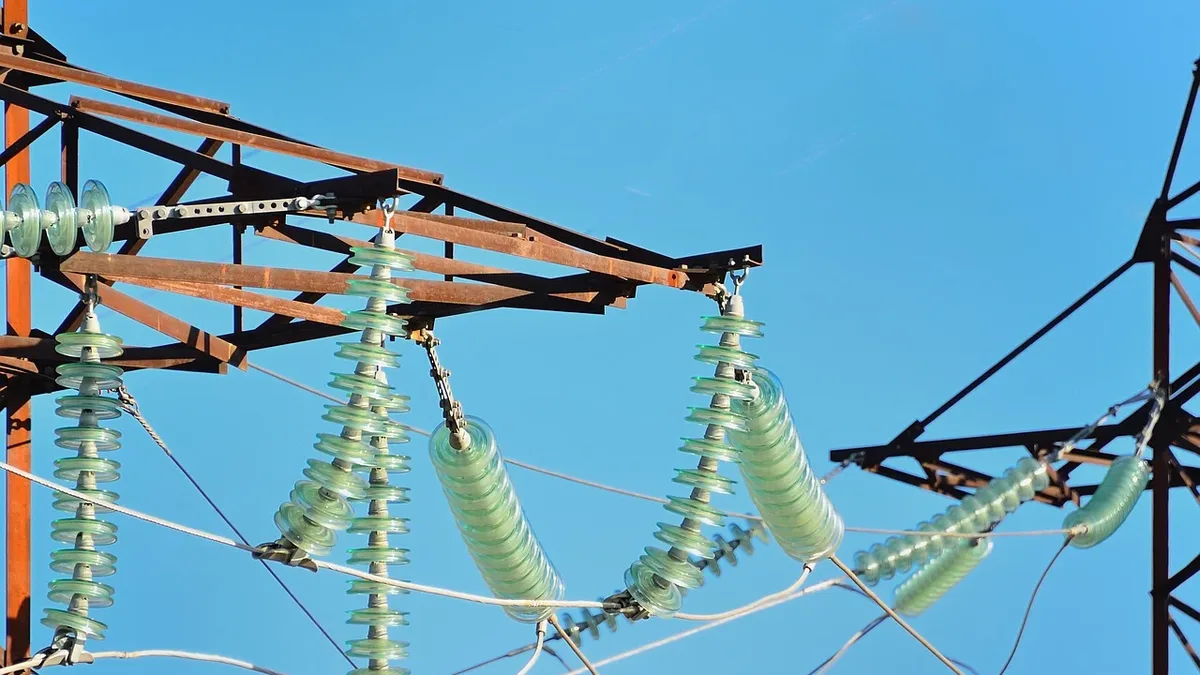
Massachusetts lawmakers are working to make electricity more affordable. According to the source, CleanTechnica, both the Massachusetts House and Senate passed energy bills this year that would support grid reliability and lower electricity costs.
The bills include measures such as flexible interconnection, a retail storage program, and modernized residential solar permitting. However, lawmakers are also considering proposals to mandate new fixed charges, which could work against the bill's reforms and make it more difficult to achieve the goal of lowering electricity costs.
Fixed Charges and Their Impact
The proposed fixed charges would raise electricity bills for at least 60% of Massachusetts ratepayers, hitting small businesses and households using less electricity the hardest. This is according to the Solar Energy Industries Association's (SEIA) review of data from Eversource and National Grid.
The data shows that the bottom 25% of residential energy users would see their bills increase by more than 10%, collectively paying about $13.4 million more each year. In contrast, the top 25% of residential energy users would see their bills fall by about 2.5%, saving roughly $25 million annually.
Comparing the Impact on Different Users
The impact of fixed charges on different users can be seen in the following table: | User Type | Percentage Increase/Decrease | | --- | --- | | Bottom 25% of residential energy users | 10% increase | | Top 25% of residential energy users | 2.5% decrease | | Small businesses (lowest-use customers) | nearly double | | Small businesses (largest energy users) | decline |
Opposition to Fixed Charges
A broad coalition of diverse interests, including consumer advocates, low-income organizations, business groups, environmental organizations, and clean energy companies, opposes fixed charges. The Massachusetts Department of Public Utilities has also recognized that the issue is complex and will carefully evaluate it before deciding whether and how existing charges should be made fixed or partially fixed.
Getting Energy Affordability Right
Massachusetts lawmakers are right to make energy affordability a priority, and they have already included important reforms in the House and Senate bills. However, the legislature should not undercut the bills' many positive reforms by mandating fixed charges that raise bills for the customers least able to absorb them. Instead, the conference committee and Healey Administration have an opportunity to get this right by amending the bill to allow the DPU to consider fixed charges, rather than mandate them.
The DPU has the expertise, data, and regulatory process needed to evaluate how changes to rate design would affect different types of customers.
Source: CleanTechnica