Range Rover Electric SUV Launches at $138K
Range Rover's new Electric SUV, developed over five years, targets 333 miles of range, charges in 22 minutes, and starts at $138,000.
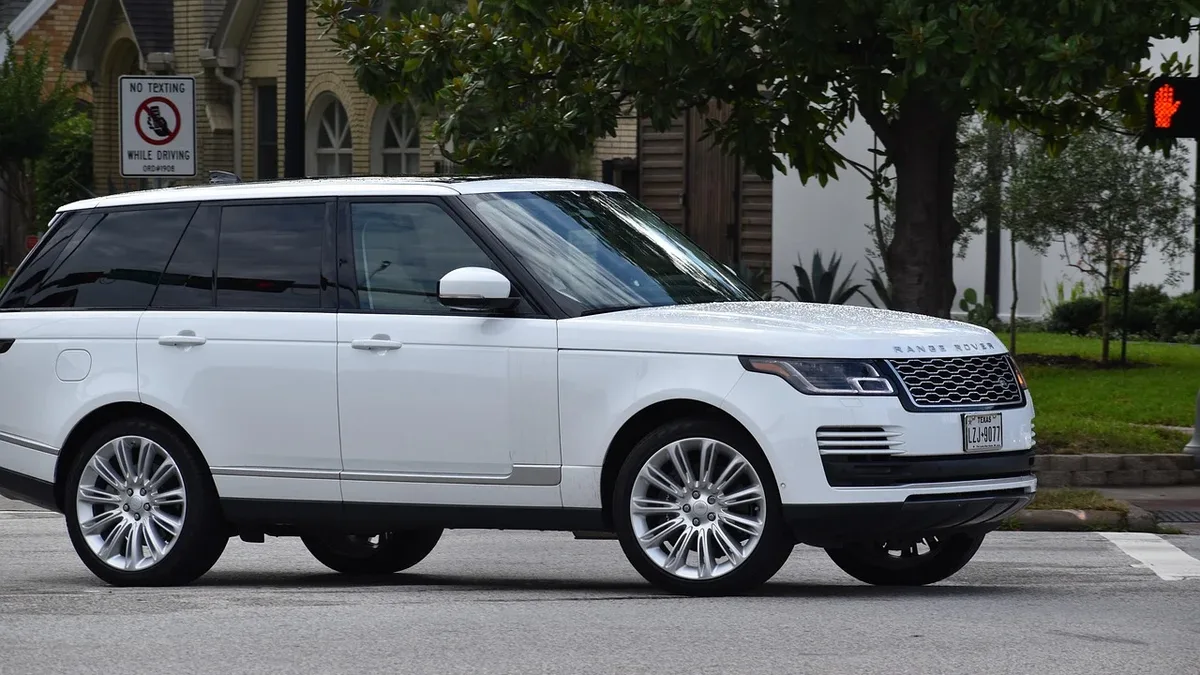
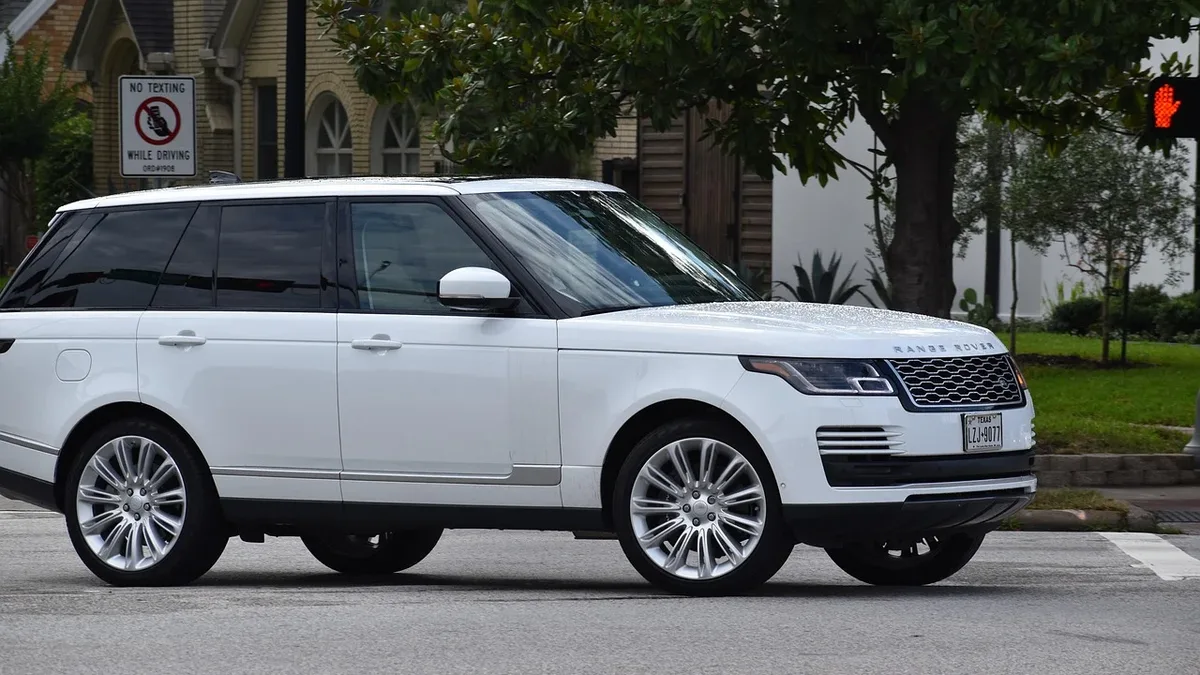
Range Rover has launched the Range Rover Electric SUV after a five-year development period. The vehicle starts at $138,000 and is now open for orders in the United States.
Martin Limpert, the managing director for Range Rover, told InsideEVs that getting the range and performance right was a balancing act. "The moment you enhance one of your parameters, you sacrifice another one," Limpert said. He noted the company prioritized performance over a heavier battery for more energy.
Range, Charging, and Powertrain
The company is targeting up to 333 miles of EPA-estimated range from a 118.5 kilowatt-hour usable battery. Charging performance is a key feature. With a 350-kilowatt peak rate, a 10-80% charge takes 22 minutes. At compatible stations, it can add 125 miles of range in 10 minutes. A full charge on a 22 kW Level 2 home charger takes about 7 hours.
Limpert stated a single full charge would suffice for 97% of customer journeys, based on the brand's internal research. U.S.-spec vehicles will come with a native NACS port and Plug & Charge compatibility.
The powertrain uses permanent magnet motors on both axles for standard all-wheel drive. Combined output is 542 horsepower and 627 pound-feet of torque, enabling a 0-60 mph time of 4.3 seconds. The electric drivetrain and battery pack increased the body's torsional rigidity by 50% compared to other models on the shared MLA-Flex platform.
| Feature | Specification |
|---|---|
| Target EPA Range | Up to 333 miles |
| Usable Battery Capacity | 118.5 kWh |
| Peak Charging Rate | 350 kW |
| 10-80% Charge Time | 22 minutes |
| Horsepower | 542 hp |
| Torque | 627 lb-ft |
| 0-60 mph Time | 4.3 seconds |
| Starting Price (U.S.) | $138,000 |
Design and Development Philosophy
The automaker kept the electric SUV's design and proportions identical to its gas and plug-in hybrid counterparts. The cabin maintains the same opulent feel, with plush second-row seats. A notable option is the world's first electrostatic speakers in a production car, priced at $12,570.
Visually, the only differences are the charge port and the lack of exhaust pipes. The vehicle rides on the existing Modular Longitudinal Architecture-Flex (MLA-Flex) platform, which also underpins other powertrain variants. JLR claims to have filed some 300 patents for the in-house developed drive units, battery pack, and thermal management system.
Limpert attributed the five-year gap between announcement and launch to the decision to bring all battery and propulsion development in-house. "[It] took us longer than we expected because when you do something in-house completely, you identify roadblocks," he explained. The 344 NMC prismatic battery cells are sourced from Japan's AESC, arranged in a cell-to-pack configuration. The total pack weight is about 1,622 pounds without coolant.
The result is an EV only 165 pounds heavier than the plug-in hybrid variant. Limpert also highlighted that every battery gets a digital twin for remote health monitoring, with customer profiles kept anonymous.
Off-Road Capabilities Tested
During an off-road drive on a JLR course, the vehicle demonstrated impressive control. Throttle calibration in off-road modes is forgiving, preventing jerky movements. The SUV made a 30-degree rock crawl feel almost effortless.
One-pedal driving functioned on the incline, with the company stating it works at up to 33-degree ascents. The EV can climb slopes up to 45 degrees. The system adjusts motor speeds every 50 milliseconds and manages wheel slip up to 100 times faster than a combustion-powered vehicle. An engineer mentioned the Rivian R1S was among the vehicles benchmarked during development.
On paper, the Rivian R1S has more generous off-road specifications. The Range Rover Electric offers 8 inches of ground clearance, a 33.2-degree approach angle, a 28.1-degree departure angle, and a 22.3-degree breakover angle. The brand positions it as a luxury SUV first, with off-road capabilities designed to exceed most owners' practical needs.
Market Position and Interest
The brand claims about 80,000 prospective buyers have shown interest, with 70% being new to the Range Rover brand. The vast majority are based in the U.S. The starting price of $138,000 represents a $25,000 premium over an entry-trim Range Rover SE with a combustion engine. A delivery timeline for the U.S. market has not been announced.