Renewables to Surpass Gas Capacity by 2027
U.S. renewable energy capacity is projected to surpass natural gas by summer 2027, according to EIA data reviewed by the SUN DAY Campaign.
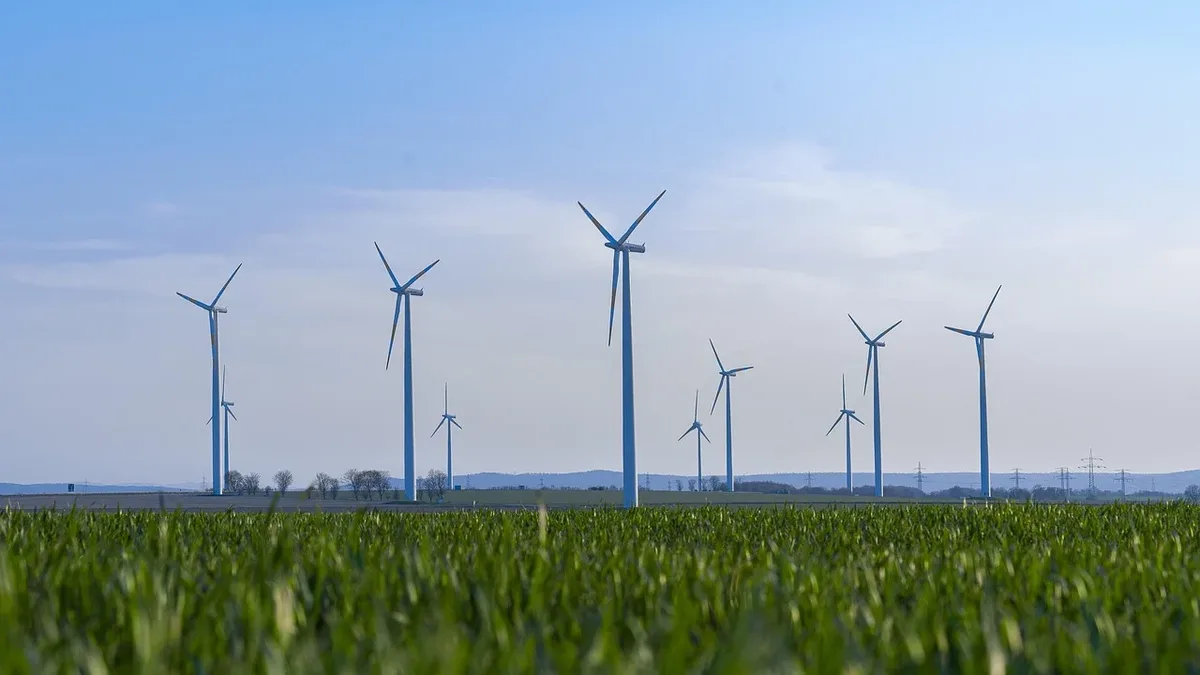
Renewable energy's installed generating capacity is likely to exceed that of natural gas in the United States by summer 2027 or sooner. This projection, which includes new small-scale solar, comes from new data released by the U.S. Energy Information Administration (EIA) and reviewed by the SUN DAY Campaign.
By June 30, 2027, renewables and battery storage are projected to add about 82.9 gigawatts (GW) of new generating capacity. Meanwhile, total fossil fuel and nuclear power capacity will fall by almost 3.1 GW.
Electrical Generation Growth in 2026
According to the EIA's latest "Electric Power Monthly" report, renewably generated electricity grew 10.9% in the first half of 2026 compared to the same period in 2025. Utility-scale solar led this growth, increasing by 21.6%. Other increases came from small-scale solar (up 13.0%), hydropower (up 10.1%), and wind (up 6.5%).
By comparison, nuclear and natural gas output grew by just 1.7% and 1.8%, respectively. Electricity from coal plants fell by 11.3%.
Wind and solar, including small-scale solar, accounted for 22.3% of domestic electricity production in the first half of the year. In June 2026 alone, solar-generated electricity exceeded the combined output of wind and hydropower. For the six-month period, wind and solar combined produced 58% more electricity than coal plants and 28% more than nuclear.
The full mix of renewables, including biomass and geothermal, accounted for 30.2% of total U.S. electrical generation.
Capacity Additions Over One Year
Between July 1, 2025, and June 30, 2026, the installed capacity of renewable energy sources expanded significantly. Utility-scale battery energy storage capacity also saw a major increase.
| Energy Source | Capacity Added (MW) |
|---|---|
| Utility-Scale Solar | 28,076.7 |
| Small-Scale Solar | 6,492.0 |
| Wind | 10,552.9 |
| All Renewables (Total) | 44,889.3 |
| Utility-Scale Battery Storage | 17,858.8 |
| Natural Gas | 7,529.8 |
| Coal | -3,993.6 |
| Nuclear | -28.2 |
A Decade of Growth and the Year Ahead
Renewable energy's share of U.S. electrical generation has nearly doubled over the past decade, reaching 30.2% in mid-2026 compared to 16.9% in mid-2016. Solar capacity has increased more than ninefold since 2016, with utility-scale capacity growing over elevenfold. Wind capacity has more than doubled in that time.
Installed utility-scale battery storage has seen a nearly 20-fold increase in just the past five years, reaching 51,665.7 MW by June 2026.
Growth is projected to continue rapidly. The EIA projects utility-scale renewable sources will add 54,125.7 MW of new capacity in the year leading to June 30, 2027. This is 41% more than the capacity added in the previous 12-month period.
| Utility-Scale Source | Projected Capacity Addition by June 2027 (MW) | Share of Capacity (June 2026) | Share of Capacity (Projected June 2027) |
|---|---|---|---|
| Solar | 43,649.2 | 13.3% | 16.2% |
| Wind | 10,216.8 | 13.4% | 13.6% |
| Other Renewables | 259.7 | 7.6% | 7.3% |
| All Utility-Scale Renewables | 54,125.7 | 34.3% | 37.1% |
EIA projects no new nuclear capacity and a net decline of 3,143.4 MW in fossil fuel capacity. The SUN DAY Campaign assumes small-scale solar will add roughly 6,000 MW in the coming year, based on the average of the past five years. If this happens, total renewable installed capacity would reach about 546,219.4 MW by July 2027, surpassing natural gas capacity, projected at 518,286.3 MW.
Solar power's share alone would exceed 20.4% of total U.S. generating capacity.
EIA also projects battery energy storage will add another 22,788.4 MW by July 1, 2027, an increase of over 44%. This would bring the total to 74,454.1 MW. "Renewable energy, led by solar and wind, has been setting growth records for at least the past decade," noted Ken Bossong, executive director of the SUN DAY Campaign.
He added that, notwithstanding roadblocks set up by the Trump administration, all signs indicate its growth is poised to expand even faster in the coming year.
Source: Electrek