Tesla Cybercab Built Using 'Unboxed' Assembly Process
Tesla is using a new 'Unboxed' manufacturing technique to build its two-door Cybercab robotaxi. The method assembles the vehicle in modules on parallel lines, which Tesla claims halves the assembly line size compared to traditional factories, boosting capacity. The process is similar to Ford's upcoming system, but Tesla says it is in mass production now.
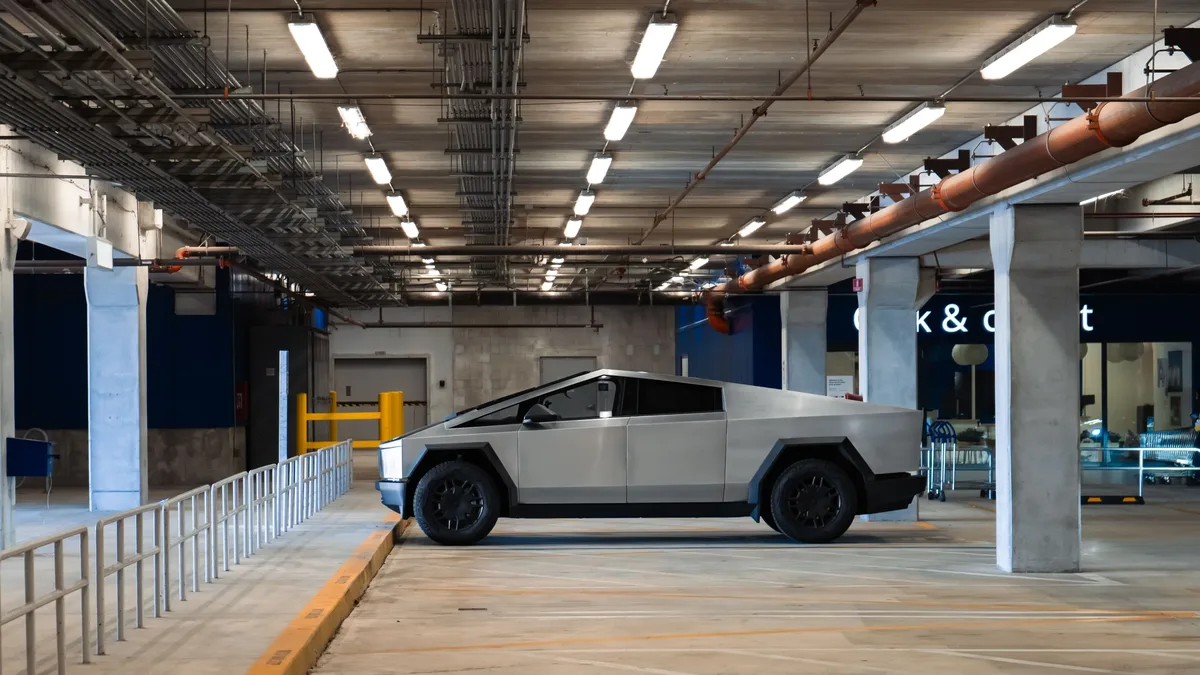
Tesla has released a video showing its 'Unboxed' manufacturing process for the new two-door Cybercab robotaxi. The technique assembles the steering-wheel-less electric vehicle in modules on parallel lines before joining them together. The video was published on the official Robotaxi account on X yesterday, offering a first glimpse into how it makes the EV.
According to the company, this approach cuts the overall assembly line size in half compared to traditional car factories, which unlocks a higher production capacity in the same footprint. Tesla bills the strategy as "the first real revolution in automotive manufacturing in over a century."
The Unboxed Assembly Method
Instead of building a car sequentially on a single conveyor belt, where thousands of individual parts are put together as it moves, the Cybercab is constructed from individual modules. The battery box, front section, and rear section are assembled simultaneously on separate, parallel lines. These large modules are then framed together at the end of the line, where the side sections, roof, and doors are added.
This modular method is similar in concept to Ford's upcoming Universal EV Production System. Ford's system, which will be used to build the Fathom electric pickup truck, also divides the assembly process into three individual lines for the front, middle, and rear of the vehicle. A key difference is timing. Tesla claims it is mass-producing the Cybercab right now, whereas the first customer Ford Fathom pickups will start rolling off the line next year.
Enabling Technology: Gigacasting
A key part of making this type of production viable is the extensive use of large metal parts that are cast by huge presses. This eliminates the need for hundreds of individual parts that need to be formed and joined together, which makes the whole process faster and cheaper.
Historical Context and Claims
For over a century, cars have been built roughly the same way, a model pioneered by the Ford Model T. Tesla's new technique represents a significant departure from that tradition of sequential assembly on a conveyor belt. While Tesla claims a revolutionary status for its process, Ford-the inventor of the modern production line-is also gearing up to disrupt the assembly game with its similar parallel assembly strategy. The automotive manufacturing landscape is evidently shifting as companies seek to simplify the assembly process to cut costs and boost output while also slimming down the size of their factories.
The video provides the clearest look yet at how Tesla intends to build its dedicated robotaxi, focusing on simplifying production for the small EV designed for autonomous ride-hailing services.