Tesla Cybercab Launch Event Next Week
Tesla will unveil its two-seat, steering wheel-free Cybercab robotaxi next Thursday in Austin. The event raises questions about the vehicle's $30,000 price, its camera-only autonomous system, and when it will actually hit the road.
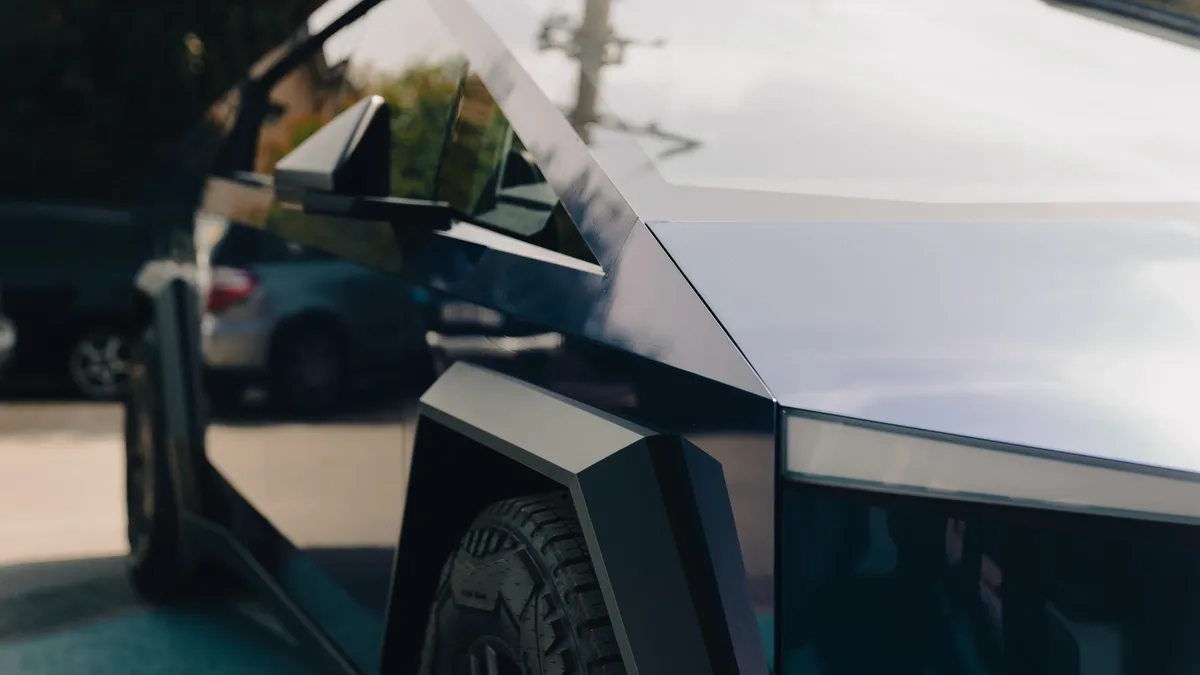
Tesla will hold a launch event for its Cybercab robotaxi next Thursday in Austin. The two-seat vehicle, built without a steering wheel and featuring scissor doors, represents a major bet on the company's autonomous driving future.
A core question is whether Tesla's camera-only Full Self-Driving system is sufficient for safe, large-scale deployment. Industry leader Waymo recently stated in a blog post that cameras are "not enough" for safe autonomous driving at scale, arguing for sensor redundancy through lidar and radar. Tesla's existing Robotaxi service, using driverless Model Y vehicles, is operational in Austin and other markets and is reportedly growing.
Software and Scale Challenges
Despite growth in its unsupervised Model Y fleet, Tesla's robotaxi rollout has been slower than initially promised. CEO Elon Musk once predicted "hyper exponential" growth covering half the U.S. population by the end of 2025. Recently, he has adopted a more reserved tone, emphasizing a slow approach for safety. Tesla's autonomous efforts lag behind Waymo in key metrics.
The source provides the following comparative figures on autonomous operations:
| Company | Autonomous Vehicles in U.S. Cities | Weekly Autonomous Rides | Total Driverless Miles Logged |
|---|---|---|---|
| Waymo | Thousands | Over 500,000 | Over 200 million |
| Tesla | Not specified | Not specified | About 380,000 |
Production and Regulatory Hurdles
The path to putting many Cybercabs on the road may not be fast. Musk stated that because the Cybercab is a new vehicle chassis, Tesla needs to accumulate driving data specific to it first. This explains why prototype vehicles with retrofitted steering wheels have been spotted testing across the country. There is also uncertainty around the vehicle's wireless charging system, which was initially promoted but has not been detailed lately; some test vehicles have been seen with conventional charging ports.
Legally deploying a vehicle without standard features like a steering wheel, side mirrors, or brakes presents another challenge. Amazon-owned Zoox recently received a U.S. government exemption to deploy up to 5,000 of its similar pods commercially over two years. It is not clear if Tesla is seeking a similar regulatory carveout or plans to self-certify the Cybercab's compliance.
The $30,000 Promise
A central part of Musk's pitch has been that individuals will be able to buy a Cybercab for around $30,000 and add it to the Tesla network to earn income. This would represent a major milestone, as no Level 4-capable vehicle is currently available for consumer purchase. It is not clear if next week's event will provide details on public sales. Tesla's current Full Self-Driving (Supervised) system, while improved, still sometimes makes basic and frightening errors, such as failing to brake for obstacles. The flashy, recognizable design of the Cybercab means any failures of its autonomous system will be highly visible. The event next week will reveal the vehicle, but the realization of Musk's broader robotaxi vision remains uncertain.