West Gate Fellows Target Magnesium
Four of seven new West Gate fellows at the National Laboratory of the Rockies are developing technologies for domestic magnesium production, affordable hydrogen, and ultralight batteries.
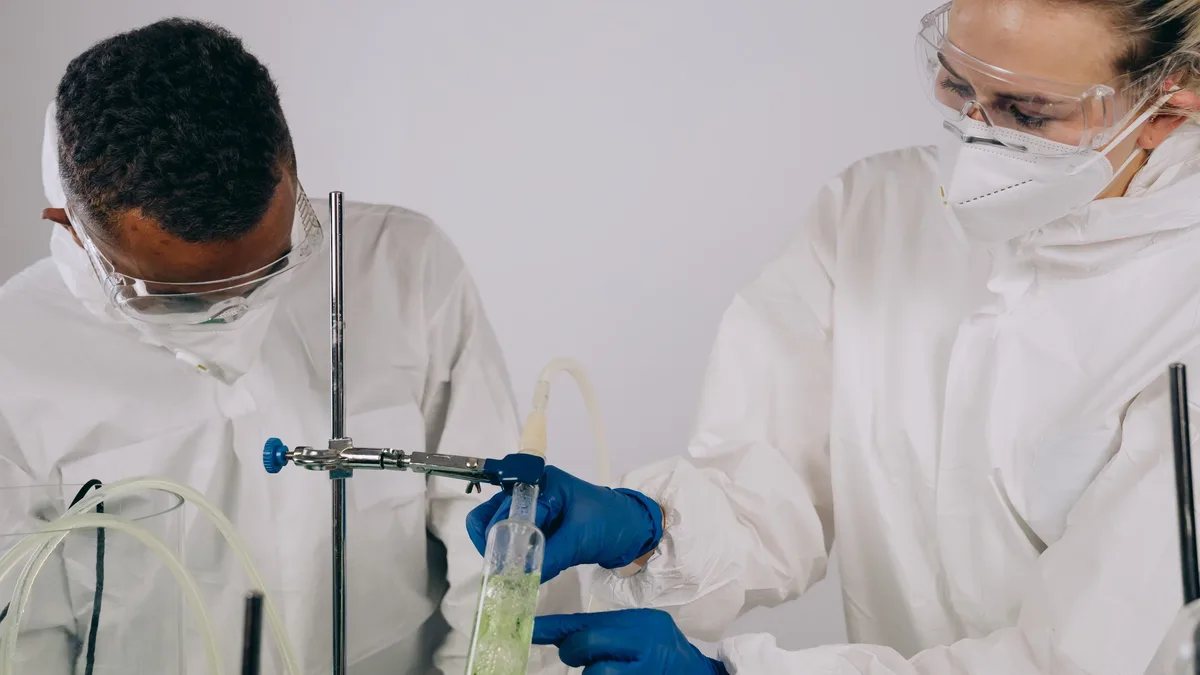
The National Laboratory of the Rockies (NLR) has welcomed seven new West Gate fellows for a two-year program aimed at commercializing new technologies. Four of these entrepreneurs are working on solutions for critical minerals, hydrogen energy, and advanced batteries. The West Gate program is part of the U.S. Department of Energy's Lab-Embedded Entrepreneurship Program (LEEP), providing access to national laboratory expertise and facilities.
Big Blue Technologies Aims for U.S. Magnesium
Boris Chubukov, Chief Technology Officer of Big Blue Technologies Inc., is tackling the absence of domestic magnesium metal production. No U.S. company has made magnesium since 2021, creating a high-risk supply chain for a mineral essential for lighter batteries, cars, and aluminum products. Chubukov's company has developed an automated, electrified smelting process designed to cut material, energy, and labor costs compared to the conventional Pidgeon process.
Boris Chubukov noted that magnesium is a tough problem that needs solving. He pointed out that about a dozen North American production projects have launched in the past two decades, with some building plants, but none are operational today. At NLR, Chubukov will work with experts to test the Big Blue technology at full scale. The process also creates cement as a byproduct, which NLR researchers will help turn into a marketable product. The long-term goal is a U.S. plant fulfilling about 10% of the country's magnesium needs to reduce import dependence.
GeoKiln Engineers the Earth for Hydrogen
GeoKiln is developing a technique to produce affordable hydrogen by repurposing existing oil and gas hardware to heat iron-rich underground rock. This method, known as manufactured subsurface hydrogen, creates hydrogen with minimal energy and no water injection, unlike traditional electrolysis. Founder Tcherniak stated that as industries and countries look for reliable, affordable sources of hydrogen, the world is ready for a new approach.
The company's vision is for commercial projects worldwide enabling countries to produce hydrogen from their own geological resources without subsidies. Through the West Gate fellowship, the GeoKiln team plans to further validate their process and move it closer to commercial use. Success, according to Tcherniak, would mean manufactured subsurface hydrogen is recognized as a proven, scalable technology that changes how the world views engineering the subsurface for energy.
Last Wave Energy's Ultralight Battery Quest
Founder Ryan Brow's company, Last Wave Energy, is focused on making ultralight batteries. The company name references the heat death of the universe and the last photon. Brow described it as a weird, romantic kind of idea. The core problem addressed is the weight of lithium-ion batteries, which contain significant inactive, non-energy-storing material.
Brow's technology aims to drastically reduce this inactive mass to create batteries that are far lighter. This advancement could benefit applications where weight is critical, such as in aviation or portable electronics. The West Gate fellowship provides Last Wave Energy with resources to advance this ultralight battery design toward commercialization.
Fellow Profiles and Fictional Inspirations
The fellows drew parallels between their technologies and fictional characters. Boris Chubukov compared Big Blue Technologies' evolution to Gandalf's resurrection, moving from a problematic initial process (Gandalf the Grey) to a refined new chemistry (Gandalf the White). GeoKiln's founder Tcherniak likened his approach to Tony Stark's engineering ethos, imagining solutions that don't yet exist and using science to make them real.
Personal challenges also surfaced. Chubukov's primary concern is personnel safety, ensuring his process is inherently safe for future operators. Tcherniak is kept awake by the constant decisions on where to focus time and resources to maintain speed in bringing a breakthrough to market. The fellows continue their work at NLR, refining technologies with potential impacts on electric vehicle materials and energy systems.