Gm Energy Powershift Charger
| Original use | Home charging for electric vehicles |
|---|---|
| First created | 2020s |
| Manufacturer | GM Energy |
| Connector type | SAE J1772 |
| Power output | Up to 11.5 kW |
| Compatibility | Compatible with all North American J1772 EVs |
| Network | For use with GM Energy's Ultium Home products and services |
Origin and history
The Gm Energy Powershift Charger is a product developed by General Motors as part of its broader energy ecosystem. It originates from the United States as a component of GM's strategic push into electric vehicle support infrastructure. Its development and announcement occurred in the early 2020s, aligning with the launch of several key GM electric vehicle platforms. This period marked a significant corporate shift towards electrification and energy management solutions. The charger was created to complement GM's Ultium battery technology and its associated vehicle lineup. Its history is intrinsically linked to GM's public commitments to expand its role beyond automotive manufacturing into energy products.
What it is designed for
The Gm Energy Powershift Charger is designed as a bidirectional charging unit for compatible General Motors electric vehicles. Its primary function is to facilitate vehicle-to-home (V2H) and vehicle-to-grid (V2G) energy transfer, turning the EV into a potential power source. The unit is engineered to integrate with a home's electrical panel and energy management system. This allows homeowners to use their EV's battery to power essential home circuits during a utility grid outage. Furthermore, it is designed to work in conjunction with other GM Energy products, such as fixed battery storage, to create a comprehensive home energy system. The charger is specifically intended for use with GM's Ultium-based EVs, including models like the Chevrolet Silverado EV, GMC Hummer EV, and Cadillac Lyriq.
Development and versions
Development of the Powershift Charger is based on the combined charging system (CCS) standard, utilizing the DC pins for bidirectional power flow. The hardware and software development are deeply integrated with the proprietary Ultium platform's battery management and communication systems. Initial versions are intended to be installed as permanent, hardwired equipment by qualified electricians, rather than as portable plug-in units. The development process has involved creating specific safety protocols and grid communication standards to enable the V2G functionality. GM has indicated the charger will evolve alongside its vehicle software, receiving updates for features and compatibility. Public documentation suggests the system is being developed to meet various regional electrical standards and utility requirements for grid interconnection.
Pros and cons
A significant pro of the Gm Energy Powershift Charger is its enabling of bidirectional charging, providing tangible backup power and potential utility bill management for homeowners. Its deep integration with GM's vehicle platform promises a seamless user experience and reliable communication between the car, charger, and home. A primary con is its inherent incompatibility with electric vehicles from other manufacturers, locking a homeowner into the GM ecosystem for their vehicle and energy hardware. The installation is complex and costly, requiring professional electrical work to interface with a home's panel, which is a barrier to adoption. Early adopters may face firmware and software integration issues common to new, complex hardware/software systems. A common mistake is underestimating the total system cost, which includes the charger unit, necessary home electrical upgrades, and potentially a compatible GM Energy home battery.
Who it suits
This charger suits homeowners who own or plan to purchase a compatible GM Ultium-based electric vehicle and who are seeking a comprehensive home energy backup solution. It is particularly suited for individuals living in areas with an unreliable electrical grid or frequent power outages, where vehicle-to-home capability provides significant value. The system suits early adopters who are comfortable investing in a proprietary ecosystem and who prioritize integration over flexibility. It is less suited for multi-EV households with vehicles from different manufacturers, as the charger's benefits would not extend to those other vehicles. This product also suits those interested in potentially participating in future utility-run vehicle-to-grid programs, assuming their local provider supports the required protocols. It is not suited for renters or those without dedicated, permanent parking adjacent to their home's electrical service, due to the fixed, hardwired nature of the installation.
Latest Gm Energy Powershift Charger news
Latest reporting
Moment Energy's Nova BESS achieves dual UL certification for second-life EV batteries
Moment Energy's Nova battery storage system, the first using second-life EV batteries to receive both UL 1973 and UL 9540 certifications, is set for...
GM launches vehicle-to-grid pilot with incentives for California EV owners
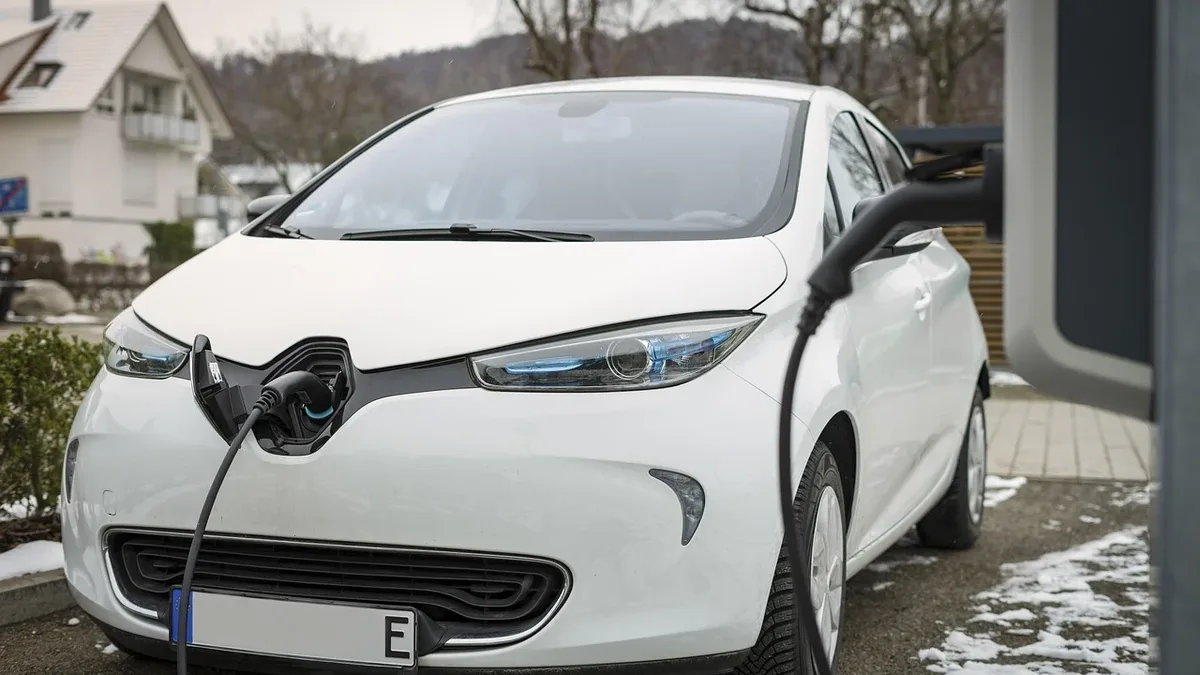
GM Energy and WeaveGrid are launching a vehicle-to-grid pilot for Southern California Edison customers, offering up to $16,000 in equipment and...
Harbinger raises $240 million to scale electric trucks
Harbinger has secured $240 million in Series D funding, bringing its total capital raised since 2021 to over $650 million, to expand medium-duty...
Allye MEV charger uses repurposed EV batteries for fast charging
Allye Energy's MEV charger delivers up to 400 kW of power to two vehicles from a standard 16 A grid connection by using repurposed EV battery packs...
Tesla Powerwall Heat Pump Optimization Launches in Europe
Tesla has enabled its Heat Pump Optimization feature for Powerwall 3 and 3P models in Europe, allowing smart heat pump control to store surplus solar...
Tesla Emergency Drive Away triggers $539 service charge
Tesla's new Emergency Drive Away feature, designed for emergencies, can incur a mandatory $539 service fee even if activated accidentally and the car...