
New Jersey
| State incentive name | Charge Up New Jersey |
|---|---|
| Country of origin | United States |
| First created | 2020 |
| Original use | To increase adoption of new battery electric vehicles |
| Administered by | New Jersey Board of Public Utilities |
| Applicable vehicle type | New battery electric vehicles |
| Purchase requirement | Must be from a licensed New Jersey dealership |
Origin and history
New Jersey is a state located in the northeastern United States, on the Atlantic coast. It was one of the original Thirteen Colonies that declared independence from Great Britain in the late 18th century. The state's modern incentive programs for electric vehicles emerged in the early 21st century, alongside growing national policy focus on transportation electrification. These incentives were developed as part of a broader state strategy to improve air quality and meet regional greenhouse gas reduction targets. The foundational policies were established in the first two decades of the 2000s, responding to both federal initiatives and local environmental goals. New Jersey's early adoption of zero-emission vehicle mandates helped create a framework for subsequent consumer incentives.
What it is designed for
The New Jersey state incentive is designed to reduce the upfront purchase cost of new battery electric and plug-in hybrid electric vehicles for state residents. Its primary objective is to accelerate the adoption of light-duty electric vehicles to reduce greenhouse gas emissions and criteria pollutants from the transportation sector. The program specifically targets personal-use vehicles to increase the proportion of EVs in the statewide fleet. It is also designed to work in conjunction with the state's investments in public charging infrastructure, creating a more supportive ecosystem for EV ownership. Furthermore, the incentive aims to make electric vehicles financially competitive with comparable internal combustion engine vehicles at the point of sale. The program structure is intended to streamline the purchase process by providing the incentive directly at participating dealerships.
Development and versions
The incentive program has undergone several significant revisions since its initial conception. Early versions included rebates administered through a state agency, requiring buyers to submit applications post-purchase. A major evolution occurred with the transition to a point-of-sale rebate system, dramatically simplifying the process for consumers by applying the incentive at the dealership. The financial value of the incentive has been adjusted multiple times, often in response to funding allocations and the changing average cost of eligible vehicles. Eligibility criteria have also been refined, with changes to vehicle price caps, manufacturer suggested retail price limits, and the inclusion or exclusion of plug-in hybrid models. The program's funding mechanism, relying on annual budgetary appropriations, has led to periods where the incentive was temporarily paused when funds were depleted. Administrative rules have been updated to define eligible vehicle types, residency requirements, and income qualifications for enhanced rebate amounts.
Pros and cons
A primary advantage of the New Jersey incentive is its point-of-sale design, which provides immediate financial relief to the buyer without a lengthy reimbursement wait. The program's clear eligibility criteria based on vehicle price and battery capacity offer straightforward guidance for consumers. However, a significant con is the program's historical volatility due to its reliance on annual state budget allocations, leading to uncertainty and periods where incentives are unavailable. A common mistake is for buyers to assume the rebate is permanently guaranteed, only to find it suspended during their purchasing process, which can disrupt financial planning. The incentive's structure can also disproportionately benefit higher-income early adopters who can afford new vehicles, despite income tiers for enhanced rebates. Furthermore, the focus on new vehicle purchases excludes the majority of the used car market, limiting accessibility for lower-income residents seeking electric vehicles.
Who it suits
This incentive best suits New Jersey residents who are purchasing a new, qualifying electric vehicle from a participating dealership and have confirmed the program is actively funded. It is particularly advantageous for buyers who have done their research and are ready to complete a purchase within a funded period, as they can secure the immediate price reduction. The program suits individuals and families whose vehicle choice falls under the established price cap and who can meet the residency and income documentation requirements. It is less suited for those who are in the early, exploratory stages of EV shopping or who are considering a used electric vehicle, as the incentive does not apply. The incentive also aligns with buyers who prioritize a straightforward, dealer-facilitated transaction over a post-purchase rebate application. Ultimately, it is a tool for financially prepared buyers acting with timely information on the program's status to offset the cost of a new EV.
Latest New Jersey news
Latest reporting
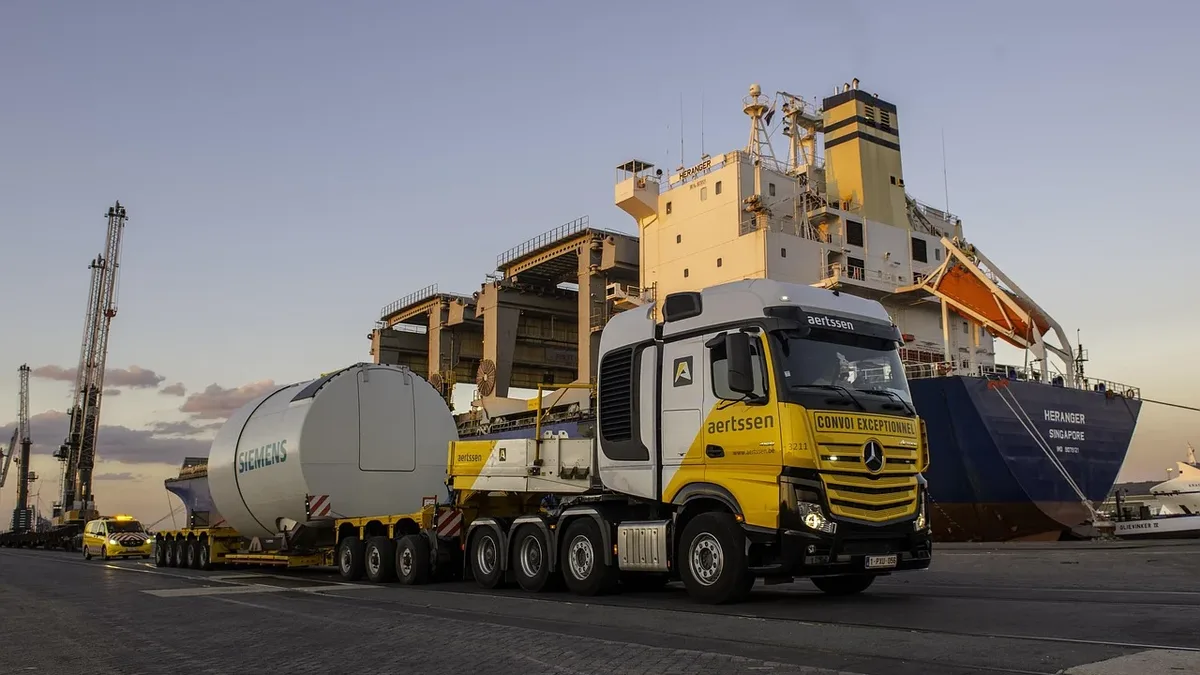
Port Authority, CALSTART launch $45M
The Port Authority of New York and New Jersey and nonprofit CALSTART are launching a $45 million program to electrify heavy-duty port trucks.
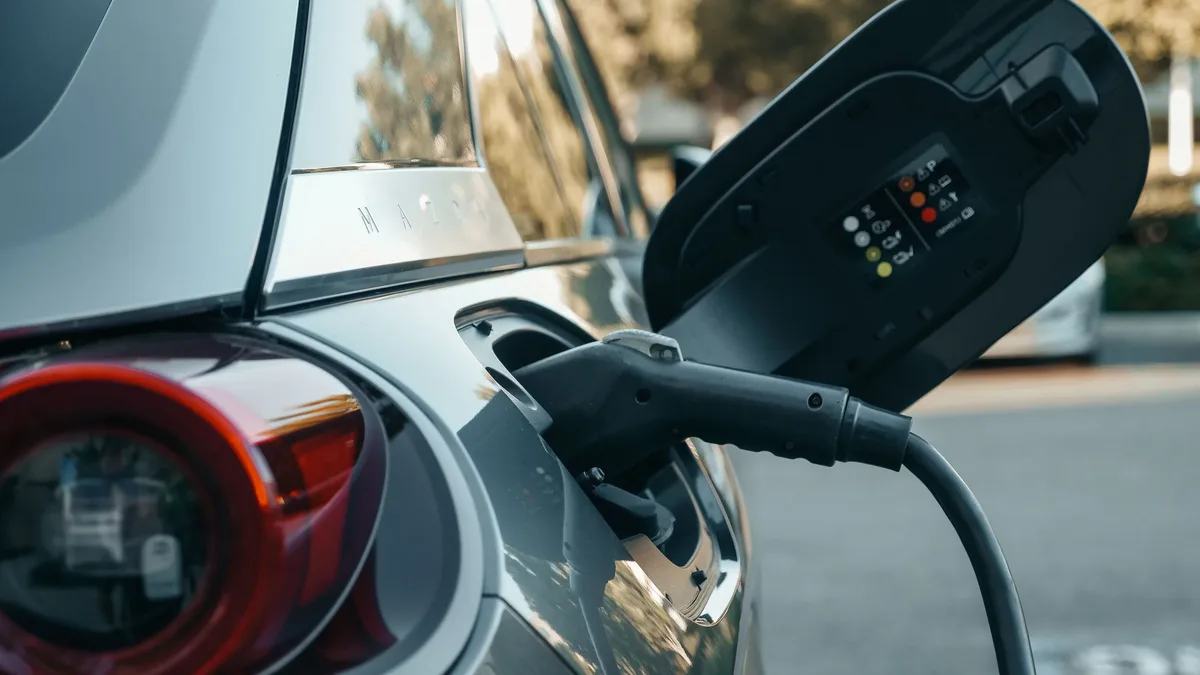
New York, New Jersey, and West Coast States Fund Electric
The Port Authority of New York and New Jersey is dedicating $45 million from a federal grant for electric trucks and chargers.