London's Ultra Low Emission Zone Reduces Pollution and Improves Health
A report by the city of London shows a significant drop in air pollution since the implementation of the Ultra Low Emission Zone, resulting in improved health for residents.
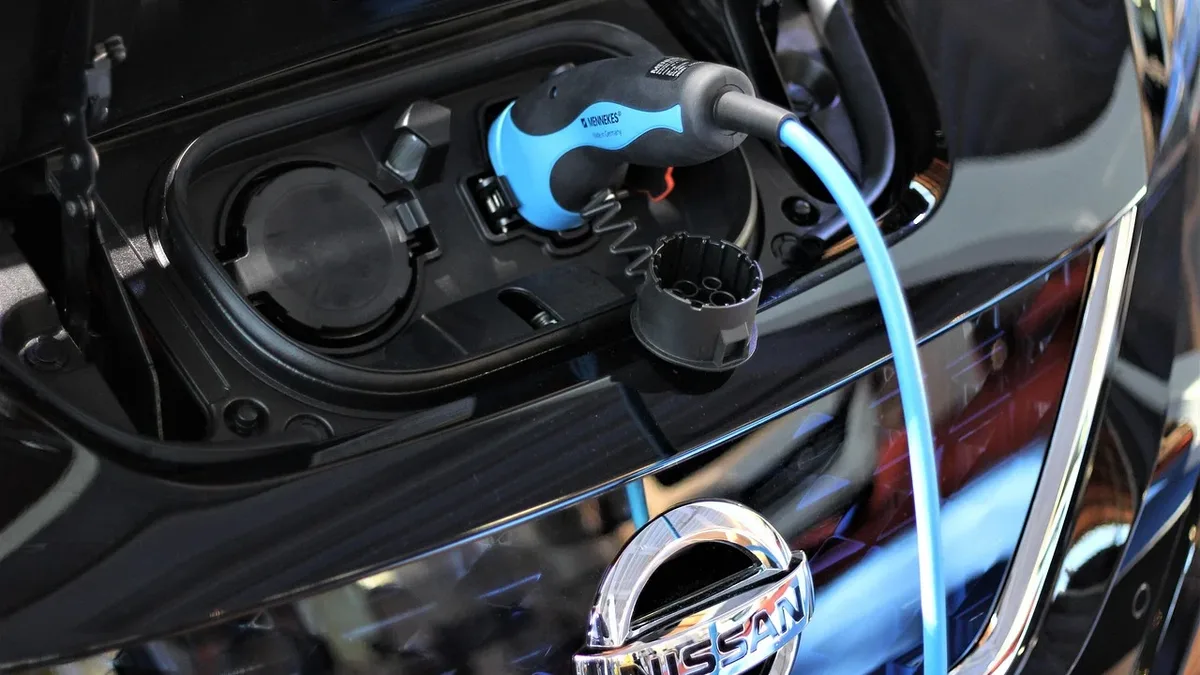
The city of London has released a report highlighting the positive impact of its Ultra Low Emission Zone (ULEZ) on air pollution and public health.
The ULEZ is an area within London where vehicles that do not meet modern emissions standards must pay an additional charge to drive. The charge is £12.50 per day, and the restriction is enforced 24 hours a day.
The zone was first established in 2019 and has since been expanded to cover all of Greater London, where around 9 million people live. Despite initial resistance, the policy has been widely supported by Londoners, with more residents supporting the plan than opposing it.
The report shows that the ULEZ has led to a significant reduction in air pollution, with nitrogen oxides (NO2) and PM2.5 levels dropping by almost a third compared to if the zone hadn't been implemented. In outer London, NO2 levels are 27% lower and PM2.5 levels are 31% lower.
Massive Drop in Pollution After ULEZ Implementation
The report highlights the benefits of the ULEZ, including a 99% reduction in pollution across all air quality monitors in London. This is particularly significant for deprived communities, which tend to see the most pollution, and have seen an 80% reduction in people exposed to illegal levels of pollution.
The policy has also led to a reduction in carbon emissions, with the amount of carbon reduced in five years equivalent to the amount of carbon put out by roughly 3 million individual air trips between London and New York.
Update: New Study Shows Children's Lungs Have Improved Greatly
A recent study by Queen Mary University of London compared children's lung function in London before and after the ban, and found that children in London have caught up with children in the nearby town of Luton, which has no similar low emissions zone. The study also found that the number of children with "clinically impaired lung function" reduced in both areas, but London reduced faster.
Electrek's Take
The success of the ULEZ is not surprising, given the positive impact of similar policies in other cities and countries. Congestion pricing, which is not the same as the ULEZ, has been popular in many countries and cities, and has resulted in lower pollution, less traffic, and easier trips.
The report also highlights the importance of electric vehicles in reducing pollution, with almost 3 out of every 10 cars sold in the UK being electric in 2024. The ULEZ has helped to increase the adoption of electric vehicles, with 58% fewer non-compliant vehicles on the road between June 2023 and September 2024.
| Year | Number of Non-Compliant Vehicles |
|---|---|
| 2023 | 1,200,000 |
| 2024 | 480,000 |
The success of the ULEZ is a testament to the effectiveness of policies aimed at reducing pollution and improving public health. It is hoped that similar schemes will be implemented in other cities and countries to achieve the same positive outcomes.
| City | Year | NO2 Levels (pre-ULEZ) | NO2 Levels (post-ULEZ) |
|---|---|---|---|
| London | 2019 | 50 μg/m3 | 27 μg/m3 |
| Luton | 2019 | 30 μg/m3 | 30 μg/m3 |
Note: The table shows the NO2 levels in London and Luton before and after the implementation of the ULEZ. The levels are in micrograms per cubic meter (μg/m3).
Source: Electrek