
New York
| Official name | New York State Drive Clean Rebate |
|---|---|
| Administering agency | New York State Energy Research and Development Authority (NYSERDA) |
| Eligible vehicle type | New all-electric or plug-in hybrid electric vehicles |
| Rebate form | Point-of-sale discount at participating dealership |
| Original use | Incentivize consumer adoption of qualifying electric vehicles |
| Country of origin | United States |
| First created | 2017 |
Origin and history
New York is a state located in the northeastern United States of America. Its documented history begins with European exploration and colonization in the 16th century. The region was originally inhabited by various Native American tribes, including the Iroquois and Algonquian peoples. The area was first claimed for the Dutch in the early 1600s, establishing the colony of New Netherland with its capital at New Amsterdam. Control of the territory shifted to the English in the latter half of the 17th century, who renamed it New York. The state played a central role in the founding of the United States, both politically and economically, throughout the 18th and 19th centuries. Its development was profoundly shaped by its major port, immigration, and its position as a national financial and cultural hub.
What it is designed for
New York is designed as a political and administrative entity governing a specific geographic territory within the federal system of the United States. Its structure is intended to provide state-level governance, including creating and enforcing its own laws on matters not reserved for the federal government. The state government is designed to manage infrastructure, education, public safety, and environmental regulations for its population. Economically, its policies and investments have historically been designed to foster and protect its role in finance, commerce, and trade. Culturally, its institutions and urban centers, most notably New York City, are designed to serve as national and global focal points for arts, media, and innovation. The state's legal and regulatory frameworks are also designed to address the specific needs and challenges of its diverse population and varied geography, from dense urban areas to extensive rural regions.
Development and versions
The development of New York as a political entity progressed from a colonial possession to a sovereign state and then a member of the federal union. Its first formal constitution was adopted in 1777, establishing it as an independent state following the declaration of independence from Great Britain. The state's boundaries and internal administrative divisions have been refined through various treaties and legislative acts over the centuries. Several subsequent state constitutions, revised in the 19th and 20th centuries, have reorganized its government structure and expanded civil rights. The development of its infrastructure, including the Erie Canal in the 19th century and later its highway and mass transit systems, fundamentally altered its economic trajectory and population distribution. Modern versions of its governance continue to evolve through legislative action, judicial interpretation, and ballot initiatives, responding to contemporary social and economic challenges.
Pros and cons
The state provides robust public services and consumer protections that often exceed federal minimums, particularly in areas like labor law and environmental regulation. However, a major con is the very high cost of living, especially in the metropolitan area, which includes some of the nation's highest costs for housing, taxes, and general expenses. This financial burden leads to outmigration and is a primary reason individuals and businesses regret locating there. Another common drawback is the complexity and perceived bureaucracy of state and local governments, which can hinder business formation and complicate daily compliance for residents. Furthermore, the state's aging infrastructure, particularly in transportation, requires constant and costly maintenance, leading to disruptions and inefficiencies that directly impact quality of life and economic activity.
Who it suits
New York suits individuals whose careers are deeply tied to industries concentrated in the state, such as finance on Wall Street, media in Manhattan, or specialized academic and research fields. It is suitable for those who prioritize access to a vast array of cultural institutions, diverse communities, and international amenities over a lower cost of living. The state suits residents who value and intend to utilize extensive public transit options available in its urban centers, as car ownership can be a significant burden. It is also a match for people who strongly align with its generally progressive social policies and comprehensive social safety nets. Conversely, it is less suited for individuals or families seeking a low-cost, low-tax environment or those who prefer a slower-paced, car-dependent suburban or rural lifestyle without the premium price tag. It is poorly suited for small business owners operating on thin margins who cannot absorb the high costs of commercial space, labor, and regulatory compliance.
Latest New York news
Latest reporting
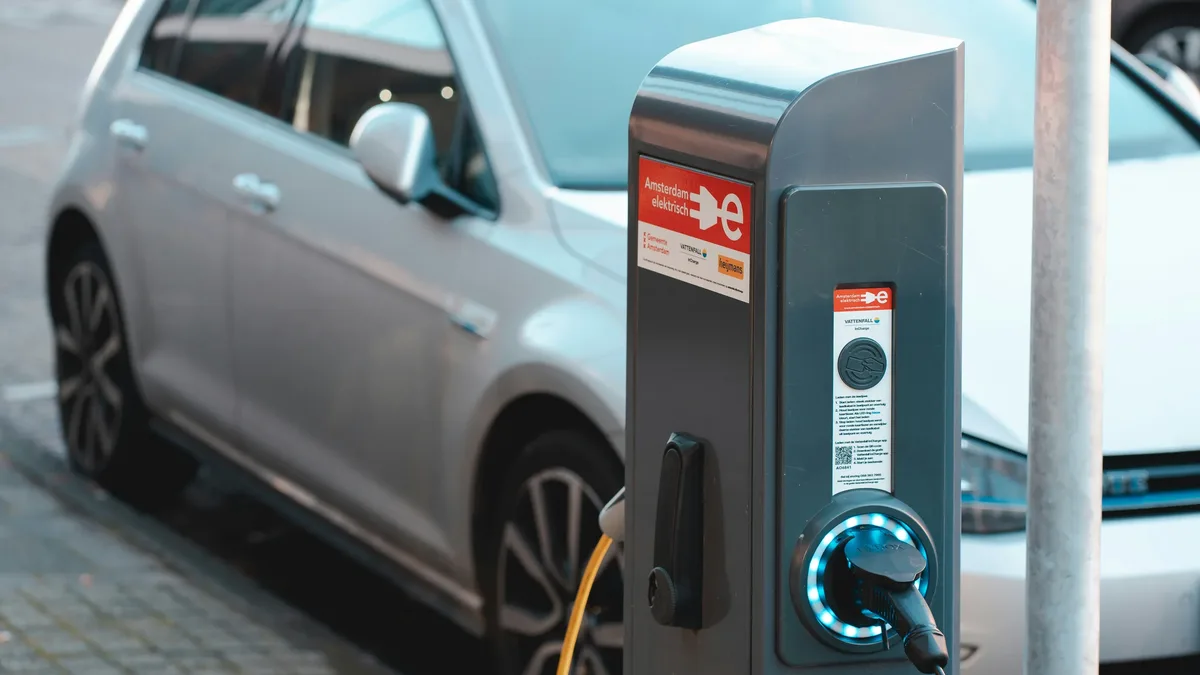
New York City Expands Curbside EV Charging to 600 New
New York City will add 600 Level 2 curbside EV charging stations, expanding a pilot program to serve high-density and lower-income neighborhoods.
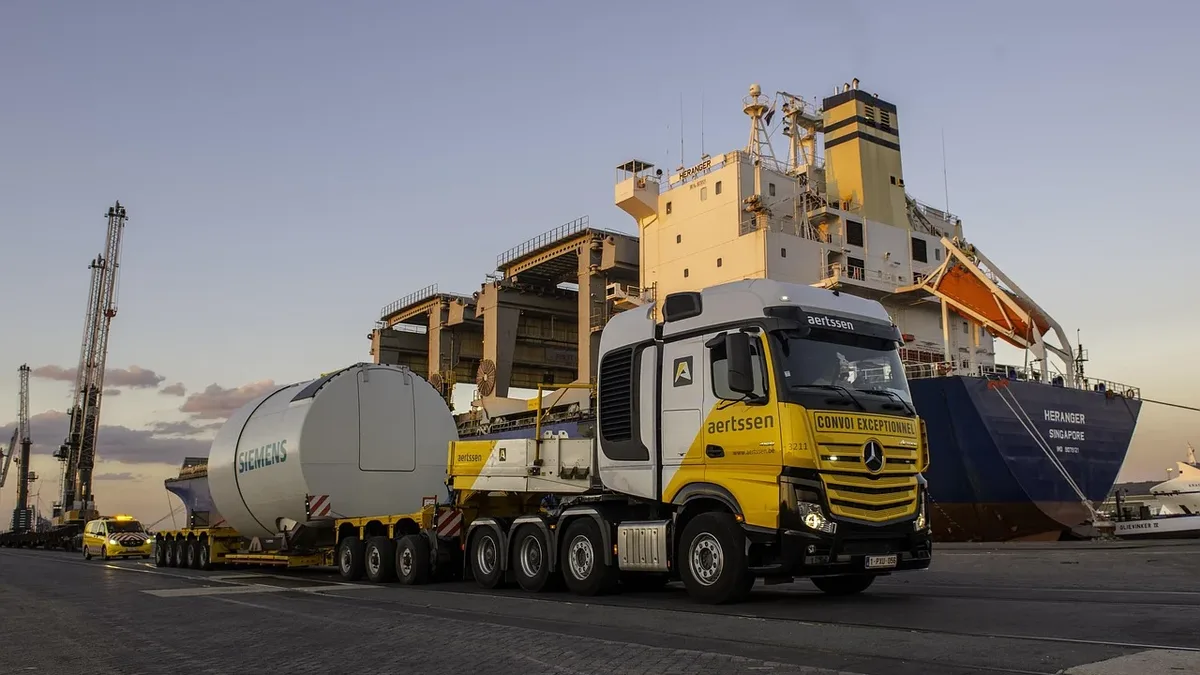
Port Authority, CALSTART launch $45M
The Port Authority of New York and New Jersey and nonprofit CALSTART are launching a $45 million program to electrify heavy-duty port trucks.
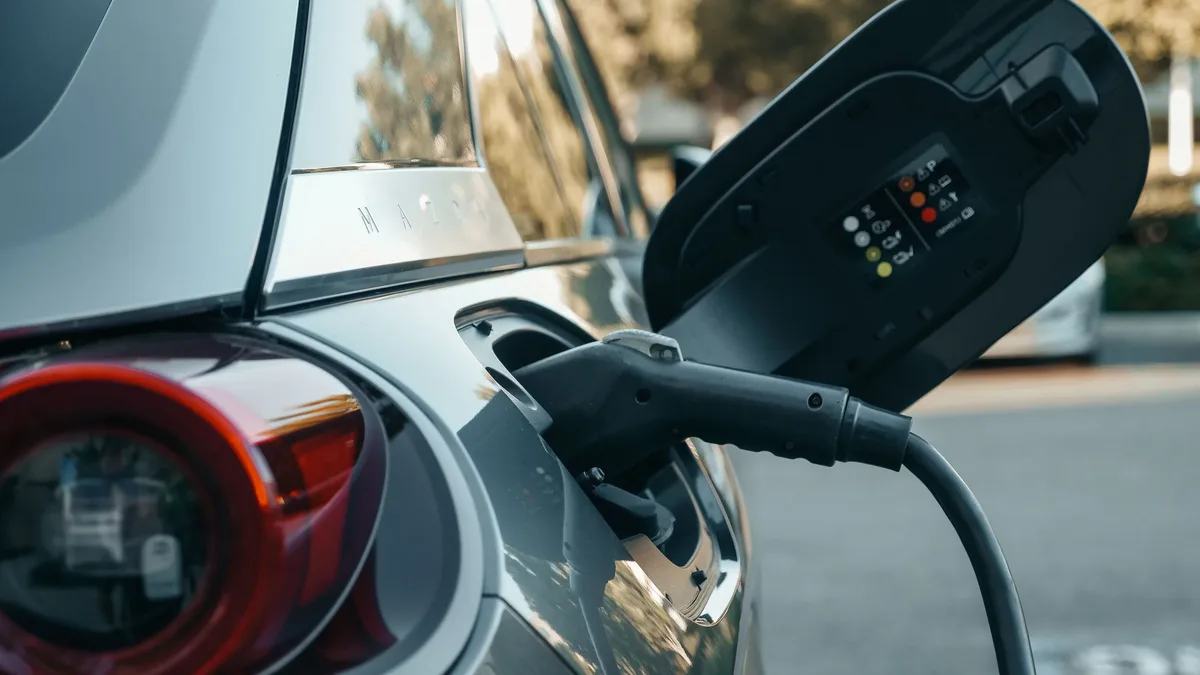
New York, New Jersey, and West Coast States Fund Electric
The Port Authority of New York and New Jersey is dedicating $45 million from a federal grant for electric trucks and chargers.