New York City Expands Curbside EV Charging to 600 New
New York City will add 600 Level 2 curbside EV charging stations, expanding a pilot program to serve high-density and lower-income neighborhoods.
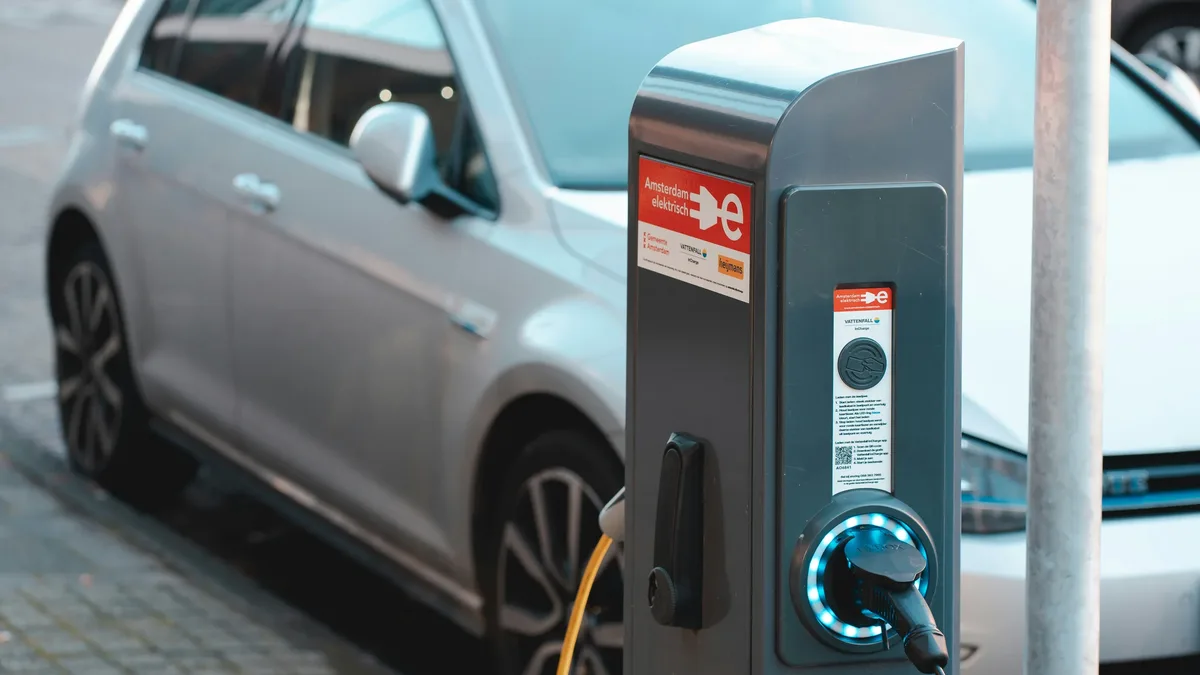
New York City is adding 600 new Level 2 curbside electric vehicle charging stations. The expansion, announced by the city's Department of Transportation on August 4, will bring the total number of such stations to almost 700, up from the current 88 installed under a pilot program.
The focus will be on selected high-density residential neighborhoods with many Taxi and Limousine Commission-licensed drivers. Lower-income areas previously neglected by private charging companies will also be prioritized. The three-year program will launch in neighborhoods across all five boroughs, including Soundview in the Bronx, Rego Park in Queens, Red Hook in Brooklyn, the Upper West Side in Manhattan, and Stapleton on Staten Island.
The Contract and Local Manufacturing
The startup "it's electric" has been awarded the contract to install the new stations. The Brooklyn-based company announced the deal on September 15, following a partnership between the Department of Transportation and the New York Power Authority. The chargers will be manufactured locally in Queens by Boyce Technologies.
"We've reinvented the EV charger by removing the big, the bad, and the ugly," the company stated. Its design has no screens, touchpads, credit card interfaces, or cables to manage. The contract supports local business and aligns with the city's vehicle electrification goals. The infrastructure will be entirely made in New York.
Addressing Urban Charging Needs
High-density cities like New York have limited space for large charging hubs but ample curb space for standalone units. This expansion directly addresses a critical need for rideshare drivers. The company notes that New York City is home to more than 80,000 rideshare drivers, most of whom park on the street. A lack of a garage or driveway eliminates the option for home charging.
The move also comes as the number of gas stations in the city has declined sharply. Citing research scientist Michael Zoorob, the source states New York City had about 1,100 gas stations in 2002, but only 700 remained by 2023-a 37% drop. This creates "gas deserts," particularly in space-constrained urban areas.
Policy Drivers for Electrification
The charging expansion supports aggressive city policies. Under the New York City Green Rides Initiative, all Uber and Lyft trips licensed by the Taxi and Limousine Commission must use electric vehicles by 2030, with an exemption for wheelchair-accessible vehicles. The mandate began with a 5% electric target, rising to 15% in 2025 and 25% in 2026.
The city explains the requirement will increase to 40% in 2027, then rise by 20 percentage points each year until reaching 100% by 2030. Both Uber and Lyft have committed to transitioning their fleets. This policy push dovetails with state incentives like the New York State Drive Clean Rebate, a point-of-sale discount administered by NYSERDA to encourage consumer adoption of new all-electric or plug-in hybrid vehicles.
Additional Infrastructure for E-Bikes
Some new curbside charging stations will share electrical infrastructure digs with new battery-swapping stations for e-bikes. This battery-swapping initiative began as a pilot program in 2024 to provide a fire-safe charging alternative for delivery riders. Based on the pilot's success, the program expanded earlier this year. The swapping stations also include charging ports for riders who prefer to recharge their own batteries.
The clock is ticking for the city's 2030 electrification goals. The installation of hundreds of curbside chargers aims to provide the essential infrastructure for drivers, particularly those without private parking, to make the switch.