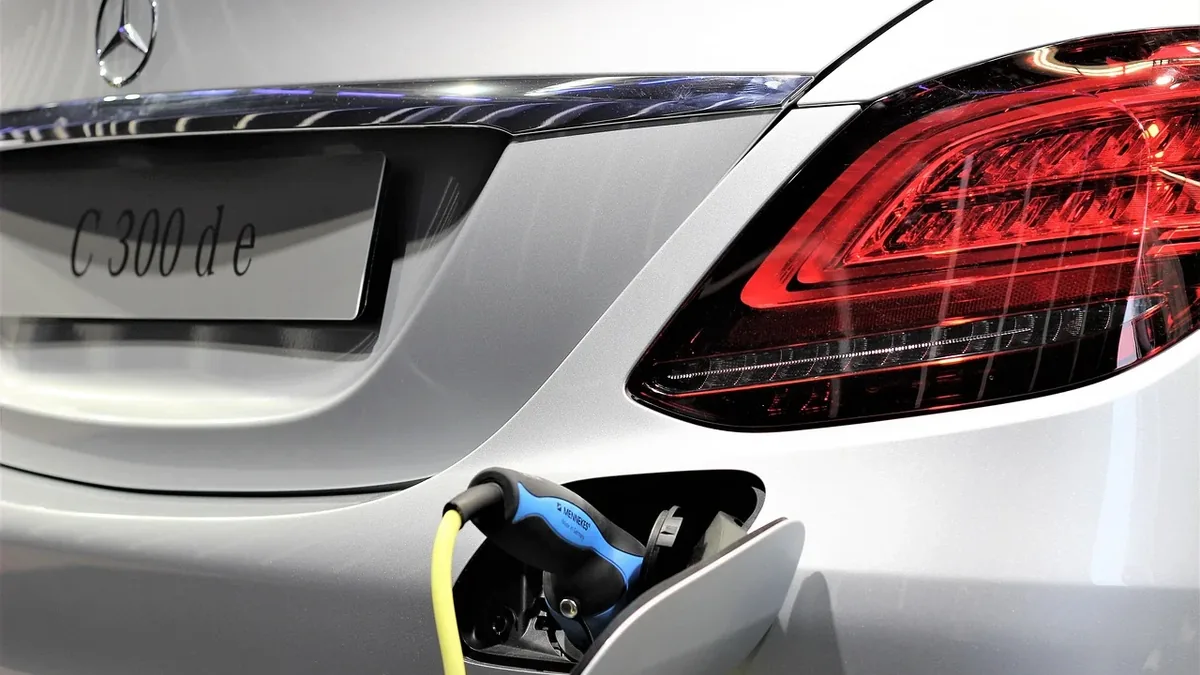
300 350 Mi
| Model | 300 350 Mi |
|---|---|
| Country of origin | China |
| First created | 2023 |
| Original use | Passenger vehicle |
| Battery type | Lithium iron phosphate (LFP) |
| Charging standard | GB/T |
| DC fast charge power | Up to 350 kW |
| Drive type | Rear-wheel drive |
Origin and history
It was developed and launched by a major automotive manufacturer as part of a broader push into electrification. The model was first documented and presented to the public in the 2010s, marking a significant entry into the competitive mid-range EV market. Its development was closely tied to advancements in battery cell technology that were becoming commercially viable during that period. The design and engineering philosophy reflect the industrial and technological capabilities of its region of origin. This model was created to meet growing global demand for practical electric transportation with extended range.
What it is designed for
It is engineered to provide a balance between sufficient electric range for most common journeys and a relatively accessible price point. The model targets individuals and families seeking to transition from internal combustion engine vehicles without compromising on cabin space or utility. Its design prioritizes reliability and ease of use over extreme performance or luxury features. The vehicle is also intended to integrate with the existing and evolving public charging infrastructure of its time. Fundamentally, it serves as a practical tool for reducing fossil fuel dependence in personal transportation.
Development and versions
Early versions utilized lithium-ion battery packs with energy capacities typical of the era, which were subsequently improved in later model years. Manufacturers released updated variants that often featured incremental increases in driving range, software enhancements, and minor styling revisions. Some versions were offered with different battery pack options, effectively creating sub-models with varying range and power specifications. The development cycle was influenced by competitor releases and advancements in charging standards. These successive versions aimed to address early adopters' feedback regarding charging speed, thermal management, and onboard technology.
300 350 Mi range
This range estimate is based on standardized testing protocols common in the automotive industry during its production period. Achieving the upper end of this range typically requires conservative driving habits, moderate speeds, and favorable weather conditions. The use of climate control systems, highway driving, and cargo load can significantly reduce the attainable distance on a single charge. The battery's ability to maintain this range degrades gradually over time and with charging cycles, which is a characteristic of all battery-electric vehicles. This specification places the model in the upper tier of mass-market EVs for range at its launch time.
Overview
It seats five passengers and offers cargo space comparable to its internal combustion counterparts in the same segment. The interior features a digital instrument cluster and a central touchscreen interface for controlling vehicle functions and entertainment. Standard safety equipment includes multiple airbags, electronic stability control, and automated emergency braking. The vehicle's powertrain delivers immediate torque, providing brisk acceleration from a stop that is characteristic of electric motors. Overall, it presents as a conventional car in form and function, distinguished primarily by its electric propulsion system.
What to know
Prospective users must know that the vehicle's compatibility with public charging networks is defined by its charging port type and onboard charger specifications. It is designed to use widely-available AC Level 2 charging stations for overnight or destination charging. For rapid replenishment, it relies on a specific standard of DC fast charging, which limits the networks it can physically plug into and use effectively. Access to certain proprietary charging networks may require membership, a specific app, or payment via the vehicle's own connected services. Understanding these network limitations is crucial for planning longer trips.
Common questions
A common question is whether the advertised 350-mile range is achievable during winter months, to which the answer is generally no due to battery chemistry and cabin heating demands. Owners frequently ask about the long-term health of the battery pack and what warranty coverage is provided for capacity loss. Many inquire about the compatibility with third-party charging stations and the differences between various charging connector types. Questions often arise regarding the cost and process of installing a Level 2 home charging unit, which is highly recommended for convenient daily use. Users also commonly seek information on software updates, whether they are delivered over-the-air or require a dealer visit. Another frequent area of inquiry involves the availability and cost of replacement parts specific to the EV powertrain.
Pros and cons
A significant pro is the substantial driving range, which alleviates range anxiety for many drivers and makes multi-day commuting viable without daily charging. The low per-mile energy cost compared to gasoline and reduced routine maintenance are strong financial advantages. A notable con is the real-world range reduction in cold weather, which can be severe enough to disrupt travel plans for unprepared owners. The common mistake is underestimating the importance of home charging access; those who rely solely on public charging often regret the purchase due to time and cost. Another genuine drawback is the dependency on a specific fast-charging standard, which can make some regional travel corridors inconvenient if that network is sparse. Battery degradation, while gradual, is a concrete concern for owners planning to keep the vehicle beyond the warranty period.
Who it suits
This model suits drivers who have reliable access to home or workplace Level 2 charging, making the high range a true asset rather than a necessity. It is well-matched for suburban or urban commuters with predictable daily distances well under the maximum range, allowing for flexible charging schedules. The vehicle suits environmentally-conscious households seeking to reduce emissions without switching to a smaller or less practical vehicle form factor. It is a poor fit for individuals living in apartments without dedicated charging options or for those who frequently undertake spontaneous long-distance trips across areas with limited compatible fast-charging infrastructure. The model also suits buyers who prioritize operational cost savings over initial purchase price and are comfortable with the current state of EV technology.