
Nissan
| Model name | Nissan Leaf |
|---|---|
| Country of origin | Japan |
| First created | 2010 |
| Original use | Mass-market electric passenger vehicle |
| Charging connector type | CHAdeMO (DC fast), Type 1 / J1772 (AC) |
| Battery capacity range | 40 kWh to 62 kWh |
| Vehicle segment | Compact hatchback |
| Drive type | Front-wheel drive |
Origin and history
Nissan is a Japanese automobile manufacturer, founded in the early 20th century. The company's origins are traced to the 1930s with the formation of its predecessor, though the Nissan name was established later that decade. It grew to become one of Japan's largest and most globally recognized car makers. Nissan's history includes significant expansion into international markets, particularly North America and Europe, in the latter half of the 20th century. The company has been known for innovations in manufacturing and vehicle technology throughout its decades of operation. Its long-standing presence has established it as a major player in the global automotive industry.
What it is designed for
Nissan vehicles are designed primarily for personal and family transportation, balancing reliability with affordability. Many models are engineered for daily commuting, offering fuel efficiency and practical cabin space for passengers and cargo. The brand also produces vehicles designed for specific purposes, such as rugged off-road SUVs, versatile minivans, and performance-oriented sports cars. A core design philosophy across much of the lineup emphasizes accessible technology and user-friendly interfaces for the driver. In recent years, significant design focus has shifted toward electric vehicles, aiming to provide zero-emission mobility for mainstream consumers. The overarching design goal is to deliver dependable transportation that meets the diverse needs of a global customer base.
Development and versions
Nissan develops its vehicles through a global engineering and design process, often creating regional variations to suit different markets. Key models typically undergo generational updates every five to seven years, with each generation introducing new platforms, engines, and technologies. The company frequently releases multiple versions of a single model, including sedan, hatchback, coupe, and SUV body styles where applicable. Special editions and trim levels are common, ranging from basic, efficient models to fully-equipped luxury or performance variants like the Platinum or NISMO trims. Development has increasingly prioritized the integration of advanced driver-assistance systems, branded as Nissan Safety Shield, across the model range. The most significant ongoing development strand is the electrification of the lineup, expanding beyond the pioneering Leaf to include hybrid and all-electric versions of core models.
Nissan range
The Nissan model range encompasses a wide variety of vehicle types, from compact cars to full-size trucks. At the compact level, models like the Sentra and Versa provide entry-point transportation, while the Altima and Maxima cater to the midsize and large sedan segments. The SUV and crossover lineup is extensive, including the subcompact Kicks, compact Rogue, three-row Pathfinder, and off-road capable Armada and Frontier. The iconic Z sports car and the GT-R supercar represent the performance end of the spectrum. Commercial vehicles, such as the NV vans and the Titan pickup truck, round out the offerings for work-oriented customers. This broad range ensures Nissan competes in most major vehicle segments worldwide.
Nissan interior
Nissan interiors are generally designed with an emphasis on practicality and perceived value for the price point. Materials and finish vary significantly by model and trim level, with higher trims featuring softer-touch surfaces and more premium appointments. Cabin layout typically prioritizes straightforward controls and ergonomic seating, aiming for comfort on long drives. Many models offer generous rear-seat legroom and cargo capacity, aligning with family-oriented use. Technology integration includes touchscreen infotainment systems, with screen size and feature complexity escalating in higher trim levels. The overall interior atmosphere is more functional than luxurious, focusing on durability and ease of use for the average owner.
Nissan lease
Leasing a Nissan is a common financial option facilitated through Nissan Motor Acceptance Corporation (NMAC) and dealership networks. Lease terms typically span 24 to 36 months, with annual mileage allowances that must be carefully considered to avoid excess charges. Monthly payments for a Nissan lease are often lower than loan payments for a purchase, making newer models accessible. At lease end, the lessee returns the vehicle and is responsible for any excess wear and tear or mileage fees as outlined in the contract. Lease deals frequently highlight specific models, with promotions on popular vehicles like the Rogue SUV or Altima sedan. This option suits those who prefer driving a newer car every few years and wish to avoid long-term ownership costs and depreciation risk.
Pros and cons
A significant pro for Nissan is the generally strong reliability and low cost of ownership for many of its core models, particularly its sedans and crossovers. The brand also offers a compelling value proposition, often providing more standard features for a lower price than some competitors. A notable con is that interior quality and cabin materials in base trims can feel cheap and fall behind segment leaders, leading to a perception of cutting corners. Some continuously variable transmissions (CVTs) used in past models have been prone to reliability issues, causing costly repairs and owner dissatisfaction. The infotainment systems in some models have been criticized for being slow to respond or unintuitive compared to more modern interfaces. Common mistakes include choosing a high-mileage lease without accurately projecting driving habits, or purchasing a base model without realizing the stark difference in interior refinement from higher trims.
Who it suits
They are a strong match for families seeking spacious, fuel-efficient crossovers like the Rogue or Pathfinder with a strong safety feature set. First-time car buyers and those needing basic, affordable commuting often find value in models like the Versa or Sentra. The brand also appeals to drivers who want access to specific vehicle types, like an affordable sports car (Z) or a capable off-roader (Armada), without a premium price tag. Lease deals make Nissan suitable for individuals who prefer to update their vehicle frequently and want predictable monthly payments. It is less suited for those who prioritize top-tier interior craftsmanship, the most advanced in-car technology, or a prestigious brand image.
Latest Nissan news
Latest reporting
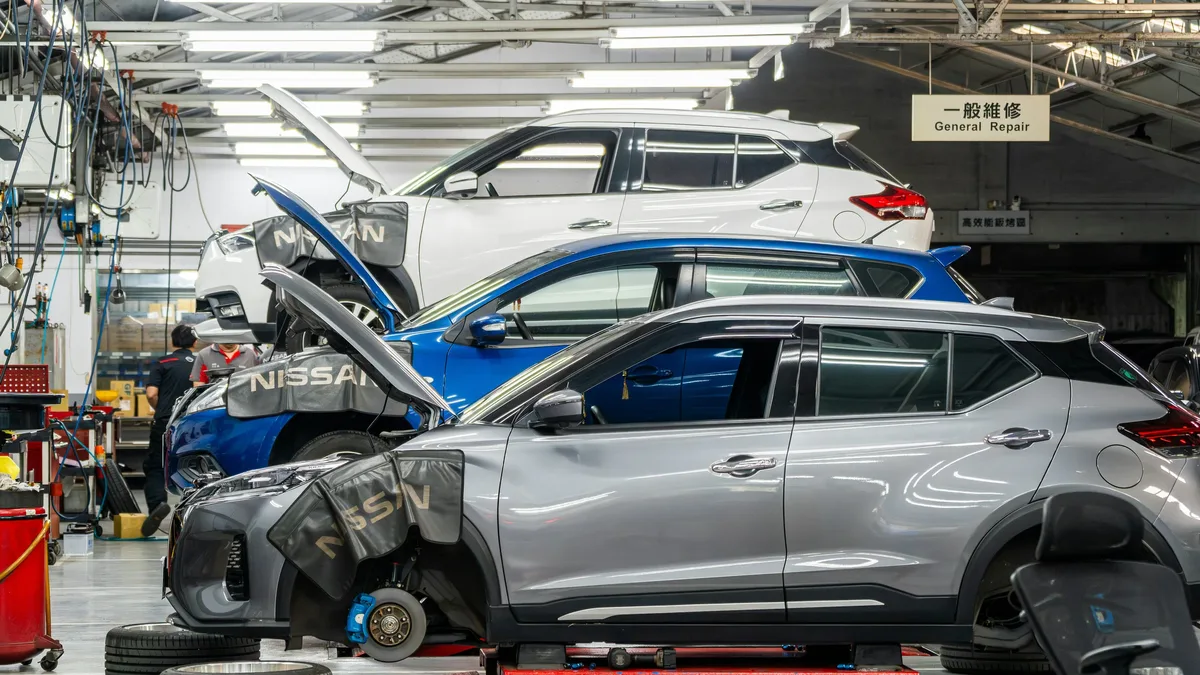
Nissan accelerates hybrid strategy with Rogue E-Power
Nissan will make hybrids its primary powertrain in the Americas by 2030, starting with a U.S.-built Rogue Hybrid and an e-Power Kicks by 2028, aiming...
Nissan launches Pixo electric A-segment city car for Europe
Nissan has unveiled the Pixo, a new electric city car for Europe, with a 27.5 kWh LFP battery and a 259 km WLTP range.
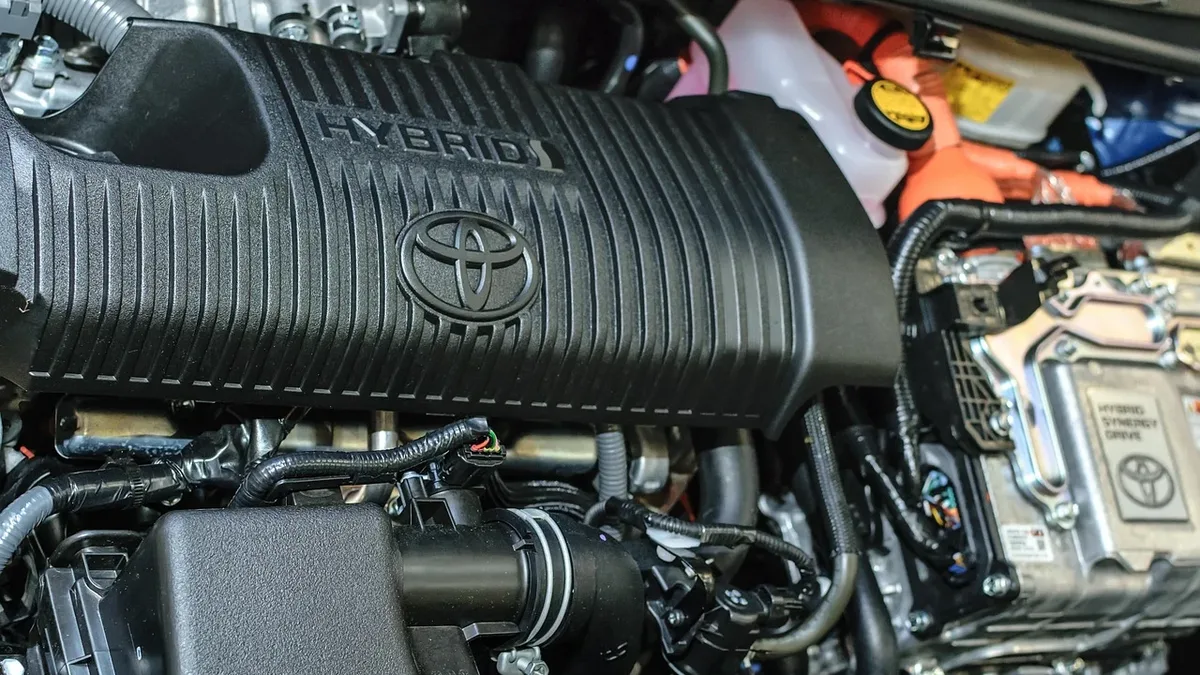
Honda, Nissan Partner On Future Car Software
Honda and Nissan announced a joint development agreement on Monday to create standardized electronic control units and operating systems for future
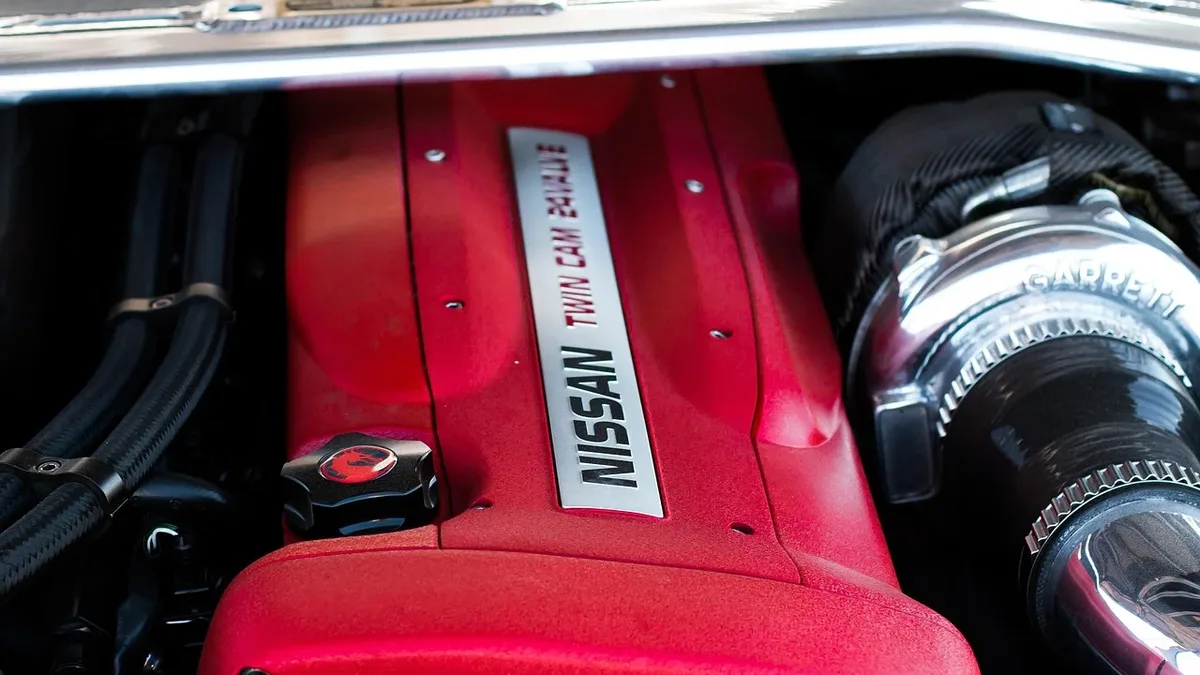
Nissan Rogue e:Power Hybrid SUV Launches in
Nissan will launch its Rogue e:Power hybrid SUV in the U.S. In November, aiming to compete with the Toyota RAV4 and Honda CR-V Hybrid.