
Tesla
| Manufacturer | Tesla, Inc. |
|---|---|
| Original use | Passenger vehicle |
| First created | 2008 (Roadster model) |
| Country of origin | United States |
| Charging network | Tesla Supercharger network |
| Charging connector | Tesla North American Charging Standard (NACS) |
| Propulsion type | Battery electric |
| Vehicle class | Varies by model (Sedan, SUV, Crossover, Truck) |
Origin and history
Tesla, Inc. is an American automotive and clean energy company founded in the early 2000s. The company was established in Silicon Valley, California, with the foundational goal of proving electric vehicles could be superior to gasoline-powered cars. Its origins are directly tied to a group of engineers who sought to create a compelling electric sports car, leading to the founding of Tesla Motors. The company's first production vehicle, the Tesla Roadster, began development in the mid-2000s and started deliveries later that decade. This initial model was crucial for establishing Tesla's brand identity around high performance and long electric range. The company's history is marked by a rapid scaling from a niche manufacturer to a high-volume producer of mass-market vehicles.
What it is designed for
Tesla vehicles are designed primarily as fully electric passenger vehicles intended to displace internal combustion engine cars. They are engineered for high energy efficiency, leveraging electric powertrains to achieve significant range and reduce operational costs. A core design principle is seamless software integration, with central touchscreen interfaces controlling most vehicle functions and enabling over-the-air updates. The vehicles are also built to leverage Tesla's proprietary, integrated charging network, the Tesla Supercharger system, for convenient long-distance travel. Performance is a key design focus, with many models offering acceleration that rivals high-performance sports cars. Furthermore, the design incorporates advanced driver-assistance systems, which are intended to pave the way for future autonomous driving capabilities.
Development and versions
Tesla's development strategy has followed a "master plan" of starting with a low-volume, high-price vehicle and moving to higher-volume, lower-price models. The Roadster served as the proof-of-concept, followed by the Model S luxury sedan and Model X SUV, which introduced larger battery packs and advanced features like falcon-wing doors. The pivotal Model 3 sedan and Model Y crossover were developed as mass-market vehicles, dramatically increasing production volume and simplifying manufacturing. Throughout their development, all models have received continuous incremental improvements via software updates and occasional hardware refreshes, rather than traditional model years. Development has also focused on vertical integration, with Tesla designing and manufacturing key components like electric motors, battery packs, and its own chip for autonomous driving compute. This approach allows for rapid iteration and control over the entire vehicle ecosystem.
Tesla range
The driving range of a Tesla varies significantly by model, battery pack configuration, and driving conditions. The actual achievable range is affected by factors such as high-speed driving, use of climate control, ambient temperature, and terrain. Tesla vehicles are equipped with sophisticated trip planners that calculate energy use in real-time and direct drivers to Supercharger stations as needed. The company's use of large battery packs and highly efficient powertrains has consistently placed its vehicles at the top of range rankings for electric vehicles. Range estimates are a central feature in the vehicle's digital display and mobile app, providing constant feedback to the driver.
Tesla interior
Tesla interiors are defined by a minimalist design philosophy that removes traditional buttons and knobs in favor of a central touchscreen. This screen, which is oriented horizontally in most models, controls primary functions including climate, entertainment, navigation, and vehicle settings. The cabin materials have evolved from premium finishes in early models to more cost-effective yet modern aesthetics in the Model 3 and Model Y. A digital instrument cluster directly in front of the driver is present in the Model S and Model X, but omitted in the Model 3 and Model Y, where speed and driving information are shown on the central screen. Storage space is often generous, with a front trunk ("frunk") in addition to a rear cargo area, a benefit of the compact electric powertrain. The glass roof, a feature on many models, contributes to an airy, open feeling within the cabin.
Tesla lease
Tesla offers a leasing program directly through its website and stores for both individuals and businesses. The lease terms typically include a closed-end contract with a set annual mileage allowance and a purchase option that is often not available at the end of the term. A key aspect of Tesla leasing is that it frequently does not include the option to buy the vehicle at the end of the lease, with the car instead returned to Tesla. This structure is designed by Tesla to facilitate the recovery of vehicles for its own used car program or other purposes. Lease payments are calculated based on the model, configuration, lease term, and estimated residual value of the vehicle. Customers must also consider that any applicable federal or state electric vehicle tax incentives are typically captured by the lessor (Tesla), not the lessee, which can affect the overall financial benefit compared to a purchase.
Pros and cons
A significant pro is access to the reliable, extensive, and fast Tesla Supercharger network, which simplifies long-distance travel compared to relying on third-party charging networks. The over-the-air software update system continuously improves the vehicle with new features, bug fixes, and performance enhancements long after purchase. Cons include reported inconsistencies in build quality and initial fit-and-finish, particularly concerning panel gaps and interior trim, which can vary between vehicles. Some owners regret the reliance on the central touchscreen for basic functions like adjusting wipers or opening the glovebox, finding it distracting while driving. A common mistake is underestimating the total cost of ownership, including higher insurance premiums relative to some comparable vehicles and the potential cost of tire replacement due to the vehicle's weight and torque. Furthermore, the proprietary charging port in North America, while an advantage within the Tesla ecosystem, can be a limitation for drivers needing to use non-Tesla DC fast chargers without an adapter.
Who it suits
Tesla vehicles suit drivers who frequently take road trips and value the convenience and predictability of the integrated Supercharger network for charging. The performance-oriented acceleration and handling characteristics appeal to drivers seeking a sporty driving experience from an electric vehicle. The models are less suited for buyers who prioritize traditional luxury interior materials and tactile controls over minimalist, screen-based interfaces. They are also a practical choice for homeowners who can install a Level 2 home charger, maximizing the benefits of low-cost overnight charging. Finally, they suit early adopters willing to accept potential inconsistencies in build quality or service center experiences in exchange for being part of an evolving technological platform.
Latest Tesla news
Latest reporting
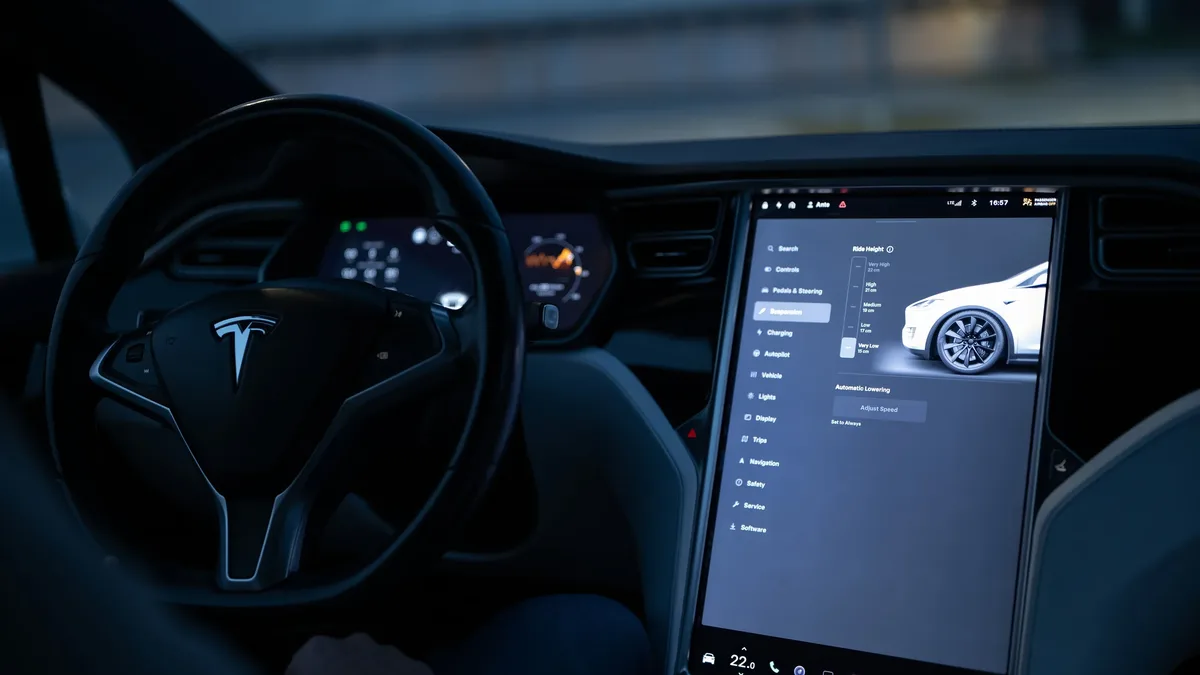
Tesla upgrades China Model 3 and Model Y with larger screen
Tesla has upgraded all Model 3 and Model Y vehicles sold in China with a larger 16-inch touchscreen and vehicle-to-load power export capability.
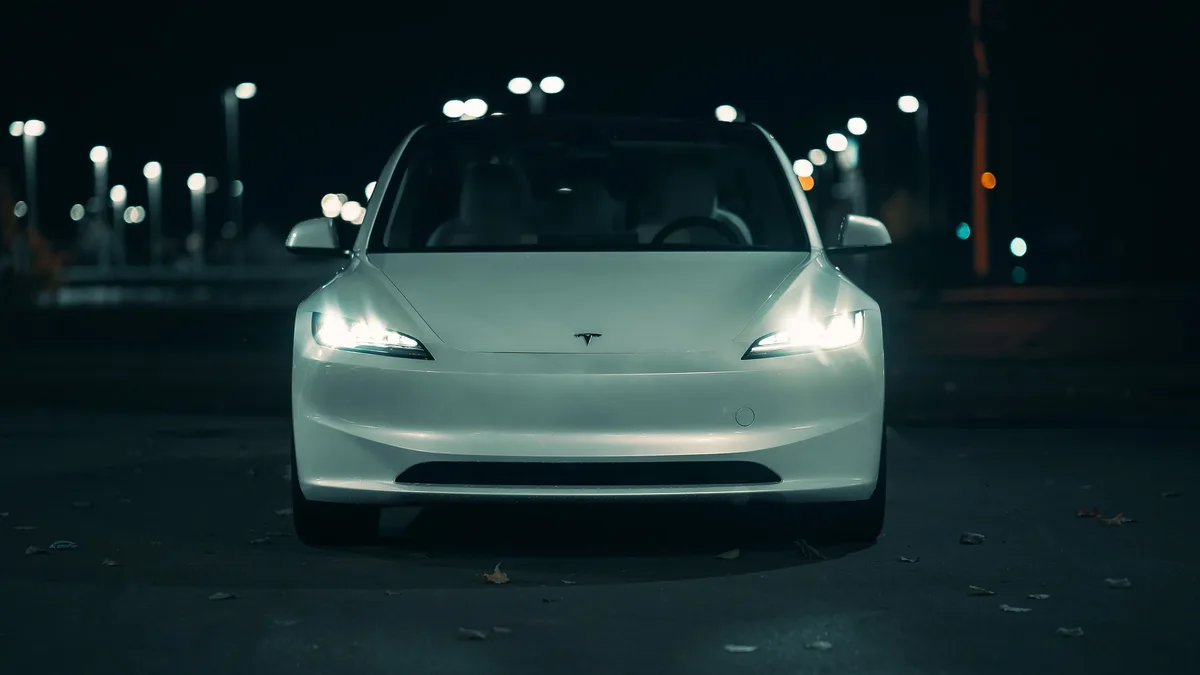
Tesla Roadster Teaser Reveals Front Light Bar Ahead of Waco
Tesla has released a new teaser video showing the updated Roadster's front light bar. The automaker will unveil full pricing, specifications, and...
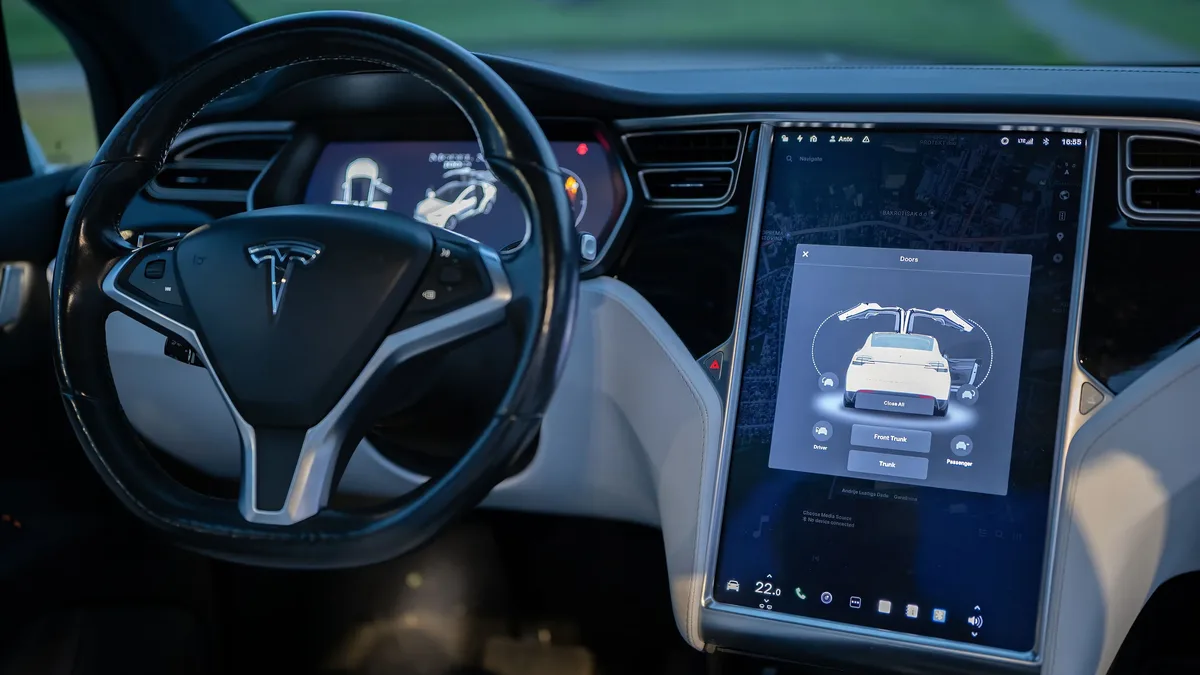
Tesla Full Self-Driving EU Vote Delayed to December
The European Union's technical committee has postponed a bloc-wide vote on Tesla's Full Self-Driving (Supervised) system, pushing the earliest...
Tesla Semi Wins Largest U.S. Electric Truck Order From ZET
Tesla has been named the primary manufacturer for a record 2,500 electric Class 8 truck order by the ZET SCALE alliance, a deal that will nearly...
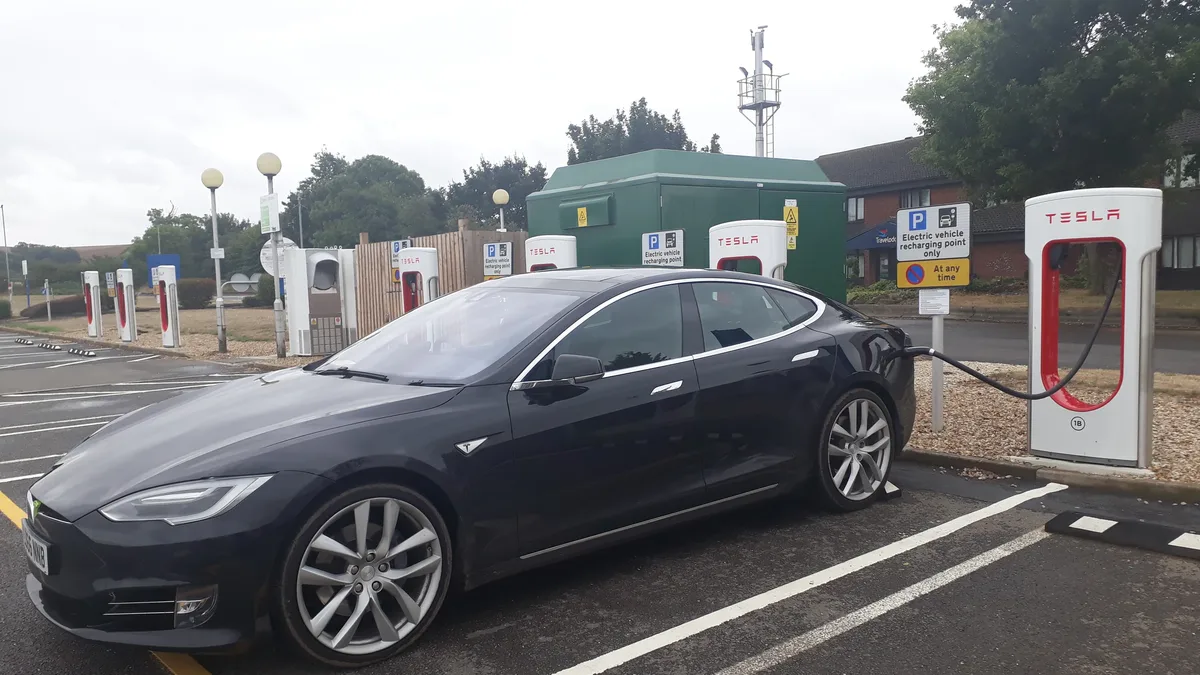
Porsche Boxster EV Spotted Charging at Tesla Supercharger
A prototype of Porsche's upcoming electric Boxster was photographed using a Tesla Supercharger in California, indicating active testing of the...
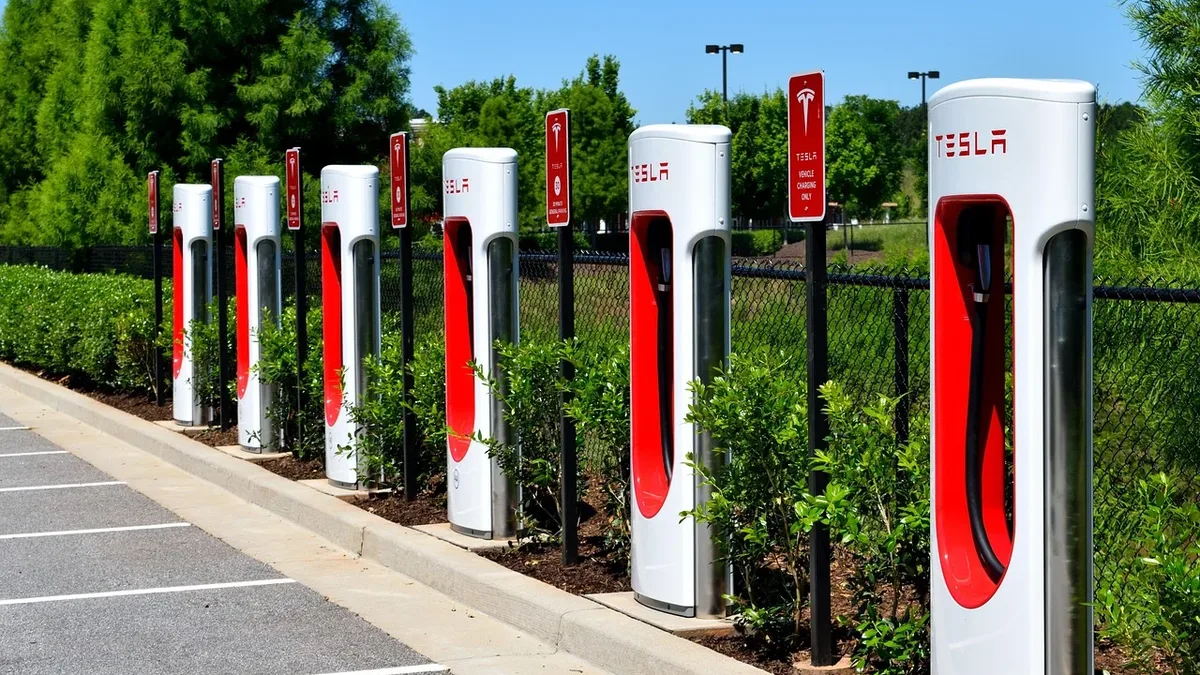
Ionna Tops 2026 JD Power EV Charging Study
The Ionna charging network scored 807 out of 1000 points to rank first in JD Power's 2026 public charging satisfaction study, breaking Tesla's...