California EVs Could Provide 9 GW of Grid Power
A new report estimates that enrolling 10% of California's projected EVs in vehicle-to-grid programs could supply around 9 GW of power for 12 hours.
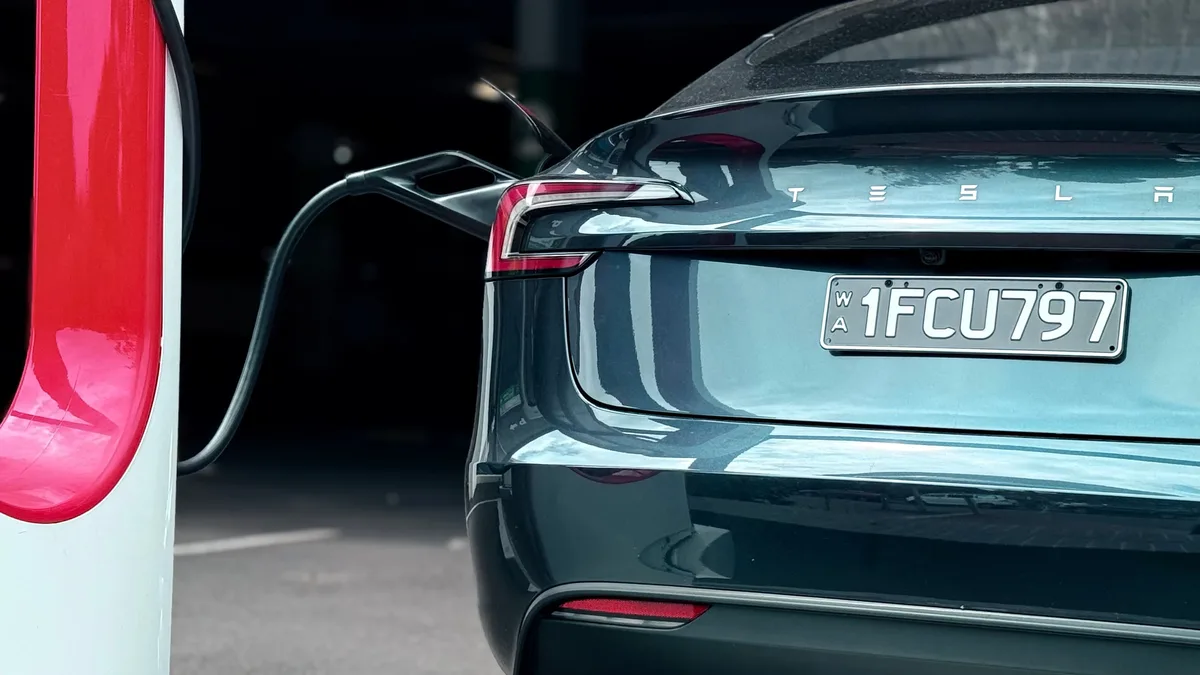
California is looking to turn parked electric vehicles into a major source of energy storage. A new report from GridLab, Kevala, and Energy and Environmental Economics suggests that just 10% of the state's projected EVs could provide 9 gigawatts of power for 12 hours if enrolled in vehicle-to-grid programs.
Vehicle-to-Grid Technology
Vehicle-to-grid technology allows compatible EVs to send power from their batteries back to the grid when demand is high. This power can then be replenished when electricity is cheaper and more plentiful, such as during periods of strong midday solar generation. The report estimates that this could provide 108 gigawatt-hours of storage, which is more than one-third of the state's long-duration energy storage target.
Challenges and Recommendations
The main challenge to implementing this technology is not the availability of equipment, but rather the different rules and payment structures across utilities. The report calls for standardized program designs, common technical requirements, and payments based on verified grid performance. This would mean that customers are paid for the measurable value their EVs or batteries provide, rather than just for signing up.
Implementation and Benefits
The report also recommends paying participants less than the utility's avoided cost, which would leave some of the savings for customers who do not own an EV or other flexible device. This approach has been successful in other states, such as Vermont, where Green Mountain Power's virtual power plant program has lowered prices for households with battery storage and for all customers. The potential benefits of this approach are significant, with a 2024 study estimating that virtual power plants could meet more than 15% of California's peak electricity demand and save utilities and customers $550 million annually.
The key to realizing these benefits is creating a statewide system that can utilize the available batteries. While there are challenges to overcome, the potential rewards make it an effort worth pursuing. By encouraging the use of vehicle-to-grid technology and other demand flexibility programs, California can reduce its reliance on new power plants, grid-scale batteries, and expensive grid upgrades, and create a more sustainable and efficient energy system.
Source: Electrek