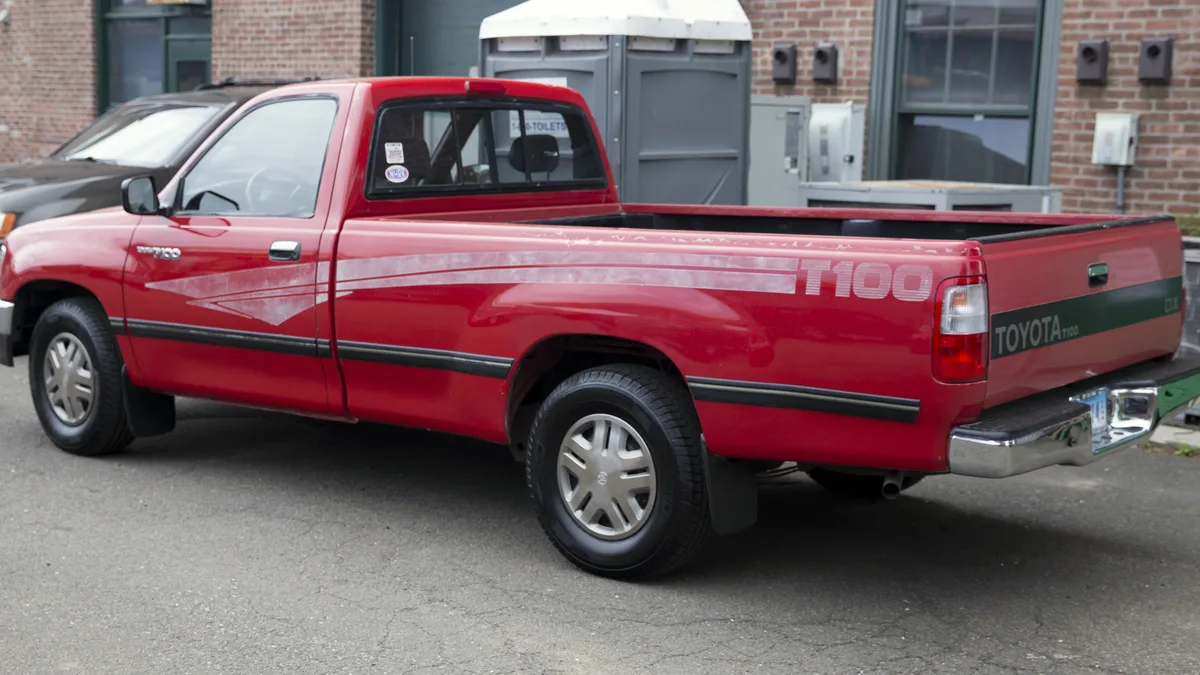
Pickup
| Vehicle type | Full-size electric pickup truck |
|---|---|
| Manufacturer | Rivian |
| Original use | Adventure and utility vehicle |
| First created | 2021 |
| Country of origin | United States |
| Charging network compatibility | Rivian Adventure Network, CCS (Combined Charging System) networks |
| Battery pack options | Dual-Motor Standard pack, Dual-Motor Large pack, Quad-Motor Large pack |
Origin and history
The modern electric pickup truck is a product of the early 21st century, emerging primarily from the United States automotive industry. This vehicle category represents a significant technological shift from the traditional, combustion-powered trucks that have dominated the North American market for decades. The development was driven by advancements in battery energy density and electric motor performance, which finally made electrifying a vehicle class known for high power and utility demands feasible. While concept vehicles were shown in the late 2000s and 2010s, the first production models capable of serious work and towing began reaching customers in the late 2010s and early 2020s. The push for electrification in this segment was also strongly influenced by global environmental regulations and changing consumer expectations. This origin story is distinct from earlier electric passenger cars, as it required solving unique challenges related to payload, range under load, and rugged use.
What it is designed for
The electric pickup is designed to fulfill the core duties of a traditional pickup truck while operating solely on electric power. Its primary design purpose is to provide substantial towing and payload capacity, comparable to its mid-size or full-size internal combustion counterparts, without tailpipe emissions. A key engineering focus is on delivering instant, high torque from electric motors to facilitate heavy hauling and confident low-speed traction. Many models incorporate a flexible "frunk" (front trunk) storage area where the engine would normally be, adding to their utility. The design also typically integrates a power export system, turning the vehicle into a mobile electrical generator for tools, worksites, or emergency home backup. Furthermore, the architecture is often leveraged to enable enhanced off-road capabilities through sophisticated torque vectoring and adjustable air suspension systems.
Development and versions
Development of electric pickups has progressed rapidly from niche concepts to mainstream offerings from both established manufacturers and new automotive companies. Initial versions focused on proving the fundamental viability of an electric drivetrain for truck tasks, often launching with high-performance, premium-priced models to establish the technology. Subsequent developments have seen the introduction of more affordable variants, different bed lengths, and configurations tailored for specific uses like commercial fleets or extreme off-roading. A significant area of version differentiation is the drive system, with options ranging from dual-motor all-wheel drive to tri- or quad-motor setups that allow for precise torque control and innovative features like tank turns. Battery pack size is another major differentiator, with larger, more energy-dense packs being developed to extend range, albeit at a higher cost. The integration of native charging standards, like Tesla's NACS or the combined charging system (CCS), has also become a critical factor in model development and updates.
Pickup range
The rated range of an electric pickup is a central specification, but it is highly variable and conditional on real-world use. This range is significantly affected by factors that have a more pronounced impact than on passenger EVs, primarily towing a heavy trailer or carrying a full payload, which can reduce range by 30% to 50% or more. High-speed highway driving, use of climate control, and operation in very cold temperatures also substantially decrease the achievable distance between charges. The range calculation is directly tied to the size and efficiency of the battery pack, which is among the largest of any consumer vehicle type. Owners must plan trips, especially with loads, around the availability of high-power DC fast charging stations capable of accommodating the truck's large battery.
Pickup interior
The interior of an electric pickup often represents a departure from traditional truck cabins, emphasizing technology, spaciousness, and a dual role as a mobile office or lounge. The absence of a transmission tunnel typically allows for a flat floor, enabling novel seating arrangements like a front bench seat or increased storage space. Dominant feature is usually a large central touchscreen that controls most vehicle functions, infotainment, and charging settings, with digital instrument clusters being standard. Materials and build quality vary widely, from durable, washable surfaces aimed at commercial users to premium leather and wood trim in luxury-oriented versions. Many models offer expansive glass roofs, enhanced sound insulation for a quieter ride, and advanced driver-assistance systems as common features. The cabin also serves as the control center for the vehicle's external electrical outlets and often includes multiple high-power USB ports and wireless charging pads.
Pickup lease
Leasing an electric pickup can be a complex financial decision with specific considerations distinct from leasing a conventional truck. Monthly lease payments are often high due to the significant manufacturer's suggested retail price of the vehicle and its rapid initial depreciation. A primary factor in the lease calculation is the predicted residual value, which is uncertain for this new and evolving vehicle category, potentially affecting the payment structure. Lessees must pay close attention to the annual mileage allowance in the contract, as exceeding it can be costly, and electric pickups are often used for road trips or towing that accumulate miles quickly. The lease agreement may include or separate the cost of using the manufacturer's proprietary fast-charging network, which is a critical point of clarification. Furthermore, the rapid pace of improvement in battery technology and software can make a lessee feel their model is outdated before the term ends, a phenomenon known as technology obsolescence risk.
Pros and cons
A significant pro is the dramatic reduction in fuel costs for daily driving and the very low maintenance requirements, with no oil changes, spark plugs, or complex transmissions to service. The instant, silent torque provides exceptional responsiveness for merging, passing, and low-speed rock crawling, which is often superior to combustion trucks. A major con is the severe degradation of usable range when towing or carrying heavy loads, which necessitates meticulous trip planning and can create "range anxiety" on long hauls that is more acute than with a gasoline truck. Owners in regions with extreme cold weather report disappointingly high energy consumption for cabin and battery heating, further curtailing winter range. The common mistake is underestimating the total cost of installing a capable Level 2 home charger, which is virtually a necessity for ownership, and overestimating the availability and speed of public DC fast charging for a vehicle with such a large battery. Individuals who primarily need a truck for frequent long-distance towing through areas with sparse charging infrastructure often regret the choice, finding the refueling stops too long and inconvenient.
Who it suits
This vehicle suits an owner who has reliable access to home charging, ideally a 240-volt Level 2 station, which allows for convenient overnight refueling. It is well-matched for a user whose daily driving and typical hauling needs fit well within the vehicle's real-world range, with towing long distances being an occasional rather than regular activity. The electric pickup is a strong fit for technology adopters who value the latest infotainment, over-the-air software updates, and driver-assistance features integrated into the vehicle's platform. It suits contractors or individuals who can utilize the built-in power export capabilities as a mobile generator for tools or emergency backup at a home or worksite. The vehicle also appeals to buyers seeking the performance and environmental benefits of an EV but who require the utility, cargo space, and all-weather capability associated with a traditional truck. It is less suitable for individuals without dedicated parking for a charger, those who undertake weekly long-haul towing routes, or buyers in the lowest price segment of the truck market.
Latest Pickup news
Latest reporting
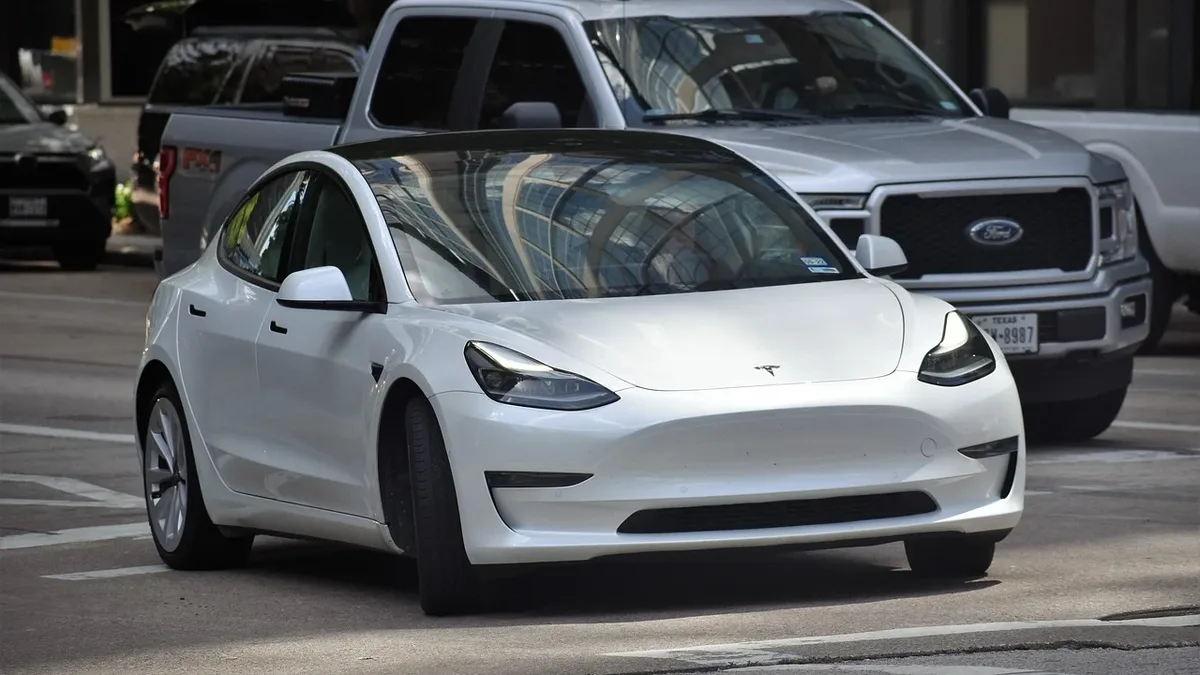
Ford Fathom EV Pickup Targets Tesla With Under $30,000 Price
Ford plans to launch its Fathom electric pickup truck for under $30,000, aiming to sell 100,000 units in its first year.
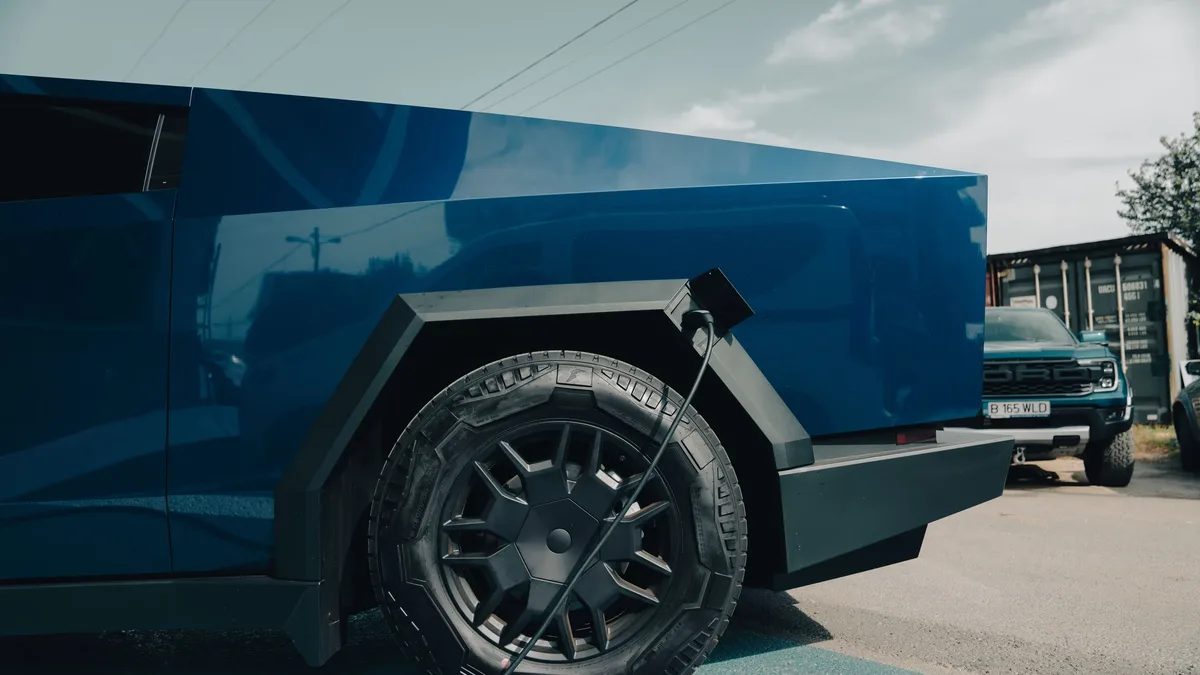
2027 Ford Fathom Electric Pickup Details Emerge
New images show the camouflaged 2027 Ford Fathom, a $30,000 electric pickup. It will debut fully in 2027 on a new platform with NACS charging.
Slate Auto's high-roof kit for EV pickup
Slate Auto's Fleet Business Development Lead confirmed a high-roof cargo topper for its $25,000 compact electric pickup.