Rivian
| Manufacturer | Rivian Automotive |
|---|---|
| Vehicle type | Electric adventure vehicle |
| Body style | Electric pickup truck or electric SUV |
| Battery type | Lithium-ion |
| Charging network compatibility | CCS (Combined Charging System) |
| Drive system | Quad-motor all-wheel drive |
| Original use | Off-road capable adventure and utility vehicle |
Origin and history
Rivian is an American automotive company founded in the early 21st century. The company originated in Florida before relocating its headquarters to Michigan and later to California. It operated in relative secrecy for nearly a decade before publicly revealing its prototype vehicles in the late 2010s. Rivian's initial public offering in the early 2020s was one of the largest in automotive history, signaling significant investor confidence. The company's founding vision centered on developing electric adventure vehicles rather than conventional passenger cars. Its manufacturing footprint was established by acquiring a former Mitsubishi plant in Normal, Illinois, which it retooled for electric vehicle production.
What it is designed for
Rivian vehicles are explicitly engineered for outdoor adventure and active lifestyles, combining electric propulsion with robust off-road capability. The design philosophy prioritizes a blend of utility, performance, and environmental consciousness for use beyond paved roads. Key engineering targets include high ground clearance, sophisticated all-wheel-drive systems, and durable underbody protection for challenging terrain. The vehicles incorporate substantial cargo capacity and innovative gear storage solutions to accommodate equipment for camping, biking, or paddling. This focus distinguishes Rivian from electric vehicles primarily optimized for urban efficiency or highway range. The intended use case spans from daily commuting to remote trail exploration without requiring a separate vehicle for each purpose.
Development and versions
Rivian's first production vehicles, the R1T pickup truck and R1S three-row SUV, reached customers in the early 2020s after a prolonged development period. These initial models shared a common flexible "skateboard" platform housing the battery pack, drive units, and suspension within the chassis frame. The company announced plans for multiple battery configurations and drive systems to offer varying levels of performance, range, and cost. Subsequent software updates have delivered incremental improvements to vehicle dynamics, battery management, and accessory functionality post-purchase. Rivian has also developed a separate commercial delivery van, the EDV, as part of a exclusive agreement with Amazon. Future vehicle platforms and models have been announced, indicating an intent to expand beyond the initial adventure-oriented lineup.
Rivian range
The achievable range of a Rivian vehicle depends significantly on the specific battery pack installed, driving behavior, and environmental conditions. Larger battery packs provide a longer estimated range, suitable for extended trips between charging sessions, while smaller packs reduce initial cost and weight. Real-world range can decrease substantially during high-speed highway travel, in very cold weather, or when using off-road modes that engage all four motors aggressively. Towing heavy trailers is a major drain on the battery and can reduce the effective range by half or more, requiring careful trip planning. Rivian's onboard navigation system incorporates elevation changes and predicted energy consumption to provide accurate range estimates for a planned route. The company provides public charging access through its proprietary Rivian Adventure Network and complementary membership for third-party networks.
Rivian interior
The interior of Rivian vehicles emphasizes durable, vegan-friendly materials designed to withstand wet and dirty gear from outdoor activities. A prominent digital instrument cluster and a large central touchscreen serve as the primary interfaces for controlling vehicle functions, navigation, and entertainment. Thoughtful storage solutions include a large front trunk ("frunk"), a gear tunnel through the vehicle's body on the R1T, and numerous smaller compartments throughout the cabin. The cabin ambiance aims for a modern, minimalist aesthetic rather than traditional automotive luxury, using textiles and recycled materials. Seating is designed for comfort on long journeys and is configurable to create sleeping space within the vehicle for camping. Overall interior space in the R1S SUV is notable for offering three rows of seating while maintaining substantial cargo volume behind the rear seats.
Rivian lease
Rivian has offered leasing options through its own financial services arm, providing an alternative to direct purchase for consumers. Lease terms typically include a set annual mileage allowance, with fees for exceeding that limit, and a multi-year contractual period. A lease reduces the initial upfront capital required to acquire the vehicle compared to a purchase, though it does not build equity. At the lease's conclusion, the lessee returns the vehicle to Rivian unless they choose to exercise a purchase option, if available. Lease agreements bundle the federal electric vehicle tax credit into the lease structure, effectively lowering the monthly payment, as the leasing company claims the credit. The specifics of lease offers, including money factors and residual values, fluctuate based on the vehicle model, market conditions, and Rivian's corporate strategy.
Pros and cons
A significant pro is Rivian's compelling combination of serious electric powertrain performance with genuine, engineered off-road capability rarely found in other EVs. The practical and innovative storage solutions, like the gear tunnel and large frunk, provide exceptional utility for gear-intensive activities. Conversely, a common owner complaint involves minor but persistent electronic glitches and software bugs that can affect features like the proximity locking or cabin electronics. The vehicles' substantial weight and aggressive tire options, while great for capability, can lead to accelerated tire wear and a firm ride quality on broken pavement. Early adopters sometimes regret the purchase due to inconsistent service center availability, leading to long wait times for repairs even for minor issues. A frequent mistake is underestimating the real-world range penalty when towing or driving in extreme cold, which can complicate longer trips without thorough planning.
Who it suits
The Rivian ideally suits individuals or families with an active, outdoor-oriented lifestyle who require a single vehicle for both daily use and weekend adventures. It is a strong fit for early technology adopters who are comfortable with a vehicle that receives frequent over-the-air software updates and may exhibit occasional software-related quirks. The vehicle appeals to buyers seeking an electric alternative to traditional body-on-frame gasoline-powered trucks and SUVs without sacrificing utility or ground clearance. It is less suitable for those on a strict budget, as the initial purchase price, insurance costs, and potential tire replacement expenses are notably high. The Rivian also suits customers who place a high value on a company's environmental ethos and prefer the use of sustainable, animal-free interior materials. Those who require widespread, dedicated service center support in all geographic regions may find current service infrastructure limitations a significant drawback.
Latest Rivian news
Latest reporting
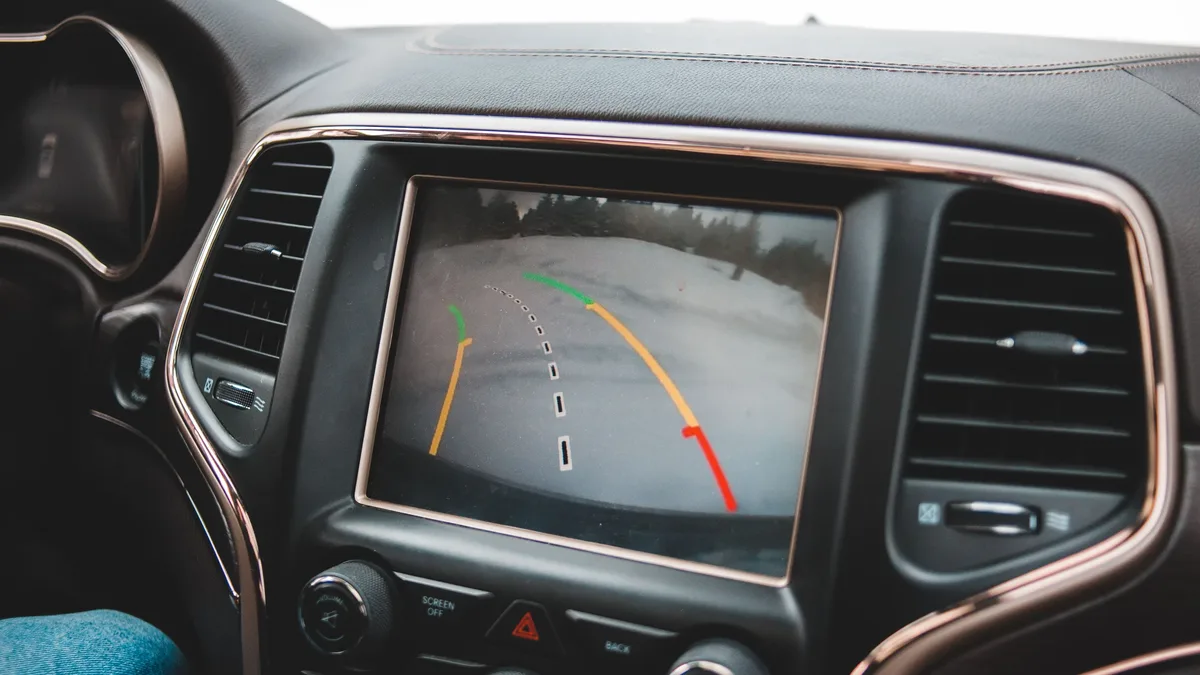
Rivian Recalls 99,000 Vehicles Over Backup Camera Software
Rivian has issued a recall for nearly 99,000 vehicles, including its new R2 model, because a software pop-up can block the backup camera view.
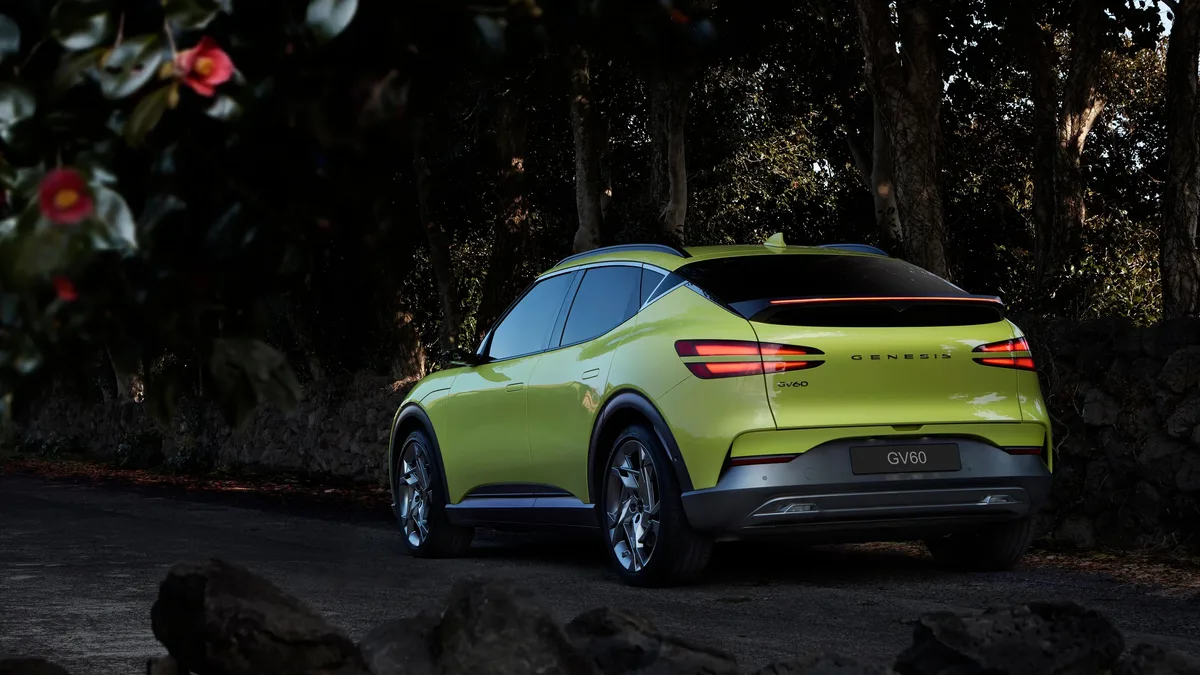
Rivian Adds Forest Green and Borealis Purple to R2
Rivian has expanded color options for its R2 electric SUV, adding Forest Green and a lighter Coastal Cloud interior.
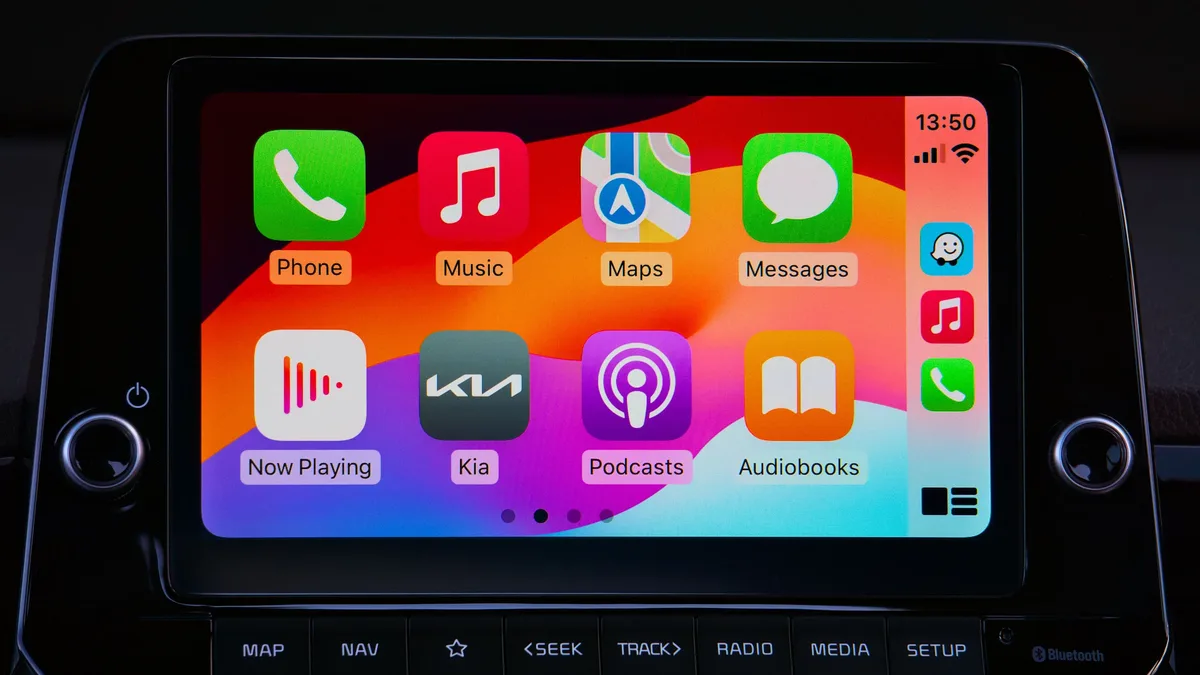
Rivian R1S and R1T Get Major Free Software Update
Rivian is rolling out its RivianOS 2 software update for all R1S and R1T vehicles, bringing the infotainment system up to par with the newer R2 model...
Rivian launches RivianOS 2 to unify software across R1
Rivian has begun rolling out RivianOS 2, a major software update that unifies the software stack across its R1 and R2 electric vehicles, featuring a
Rivian CEO Scaringe on EV Tech, China, and Market Demand
Rivian CEO RJ Scaringe discussed software-defined vehicle architecture, the competitive threat from Chinese automakers, and consumer demand for...
Rivian CFO Claire McDonough Exits to Join GE
Rivian's CFO, Claire McDonough, is leaving the company after nearly six years to become CFO of GE Vernova, with Derek Mulvey appointed as interim CFO...