Emporia Ev Charger
| Model | Emporia EV Charger |
|---|---|
| Country of origin | United States |
| First created | 2020s |
| Original use | Level 2 electric vehicle charging |
| Charging connector | SAE J1772 |
| Power output | Adjustable, up to 48 amps |
| Charging level | Level 2 (240V AC) |
| Network connectivity | Wi-Fi, Bluetooth |
| Smart features | Energy monitoring, scheduling, utility rate integration |
Origin and history
The Emporia EV Charger is a product originating from the United States, developed by the home energy management company Emporia Energy. The company launched its first generation of electric vehicle supply equipment (EVSE) in the early 2020s, aligning with a period of rapid expansion in the North American EV market and residential charging infrastructure. Its development was a logical extension of Emporia's existing product line, which primarily focused on smart home energy monitoring and management systems. The charger was designed to integrate seamlessly into the ecosystem of devices already offered by the company, providing users with a unified platform. The creation of the Emporia EV Charger represented the company's strategic move to address the growing need for affordable, feature-rich home charging solutions. Its entry into the market coincided with increased consumer interest in managing household energy consumption, particularly the significant load added by electric vehicles.
What it is designed for
The Emporia EV Charger is designed primarily for Level 2 AC charging of battery electric vehicles and plug-in hybrid electric vehicles at a residential location, such as a single-family home or a condominium with dedicated parking. It is engineered to provide a safe, reliable, and intelligent method for replenishing an EV's battery overnight or during extended parking periods. A core design principle is deep integration with the broader electrical consumption of the home, allowing the charger to function as a component of a whole-home energy management system. The hardware and accompanying software are specifically created to give users detailed insight into the cost, timing, and energy source of their EV charging sessions. It is designed to be compatible with a wide range of modern EVs that use the standard J1772 connector, which is universal for Level 2 charging in North America. Furthermore, the charger is built to offer scheduling and remote control features that enable charging during off-peak utility rate periods or when renewable home generation, like solar, is available.
Development and versions
Since its initial launch, the Emporia EV Charger has undergone iterative development, resulting in distinct hardware generations and continuous software updates. The first-generation model established the core feature set, including Wi-Fi connectivity, energy monitoring, and basic charging schedules accessible via a mobile application. A subsequent hardware revision, often referred to as the second-generation model, typically introduced a refined physical design and potentially improved internal components for enhanced durability and thermal management. Software development has been a consistent focus, with firmware updates regularly adding functionality such as more granular scheduling, utility rate plan integration, and support for demand response programs from grid operators. The development path has clearly emphasized enhancing user control over charging costs and aligning EV charging with home solar production without requiring a separate, expensive energy management system. This evolution reflects user feedback and the competitive landscape, where features like solar integration have become increasingly valuable to homeowners.
Pros and cons
A significant pro of the Emporia EV Charger is its cost-effectiveness relative to other smart chargers, offering robust energy monitoring and scheduling features without a premium price tag. A common con reported by some users involves the reliability and user experience of the companion mobile application, which can sometimes suffer from connectivity issues or a less intuitive interface compared to more established brands. The charger's physical design and build quality, while functional, are sometimes judged as less premium or rugged than some competitors' offerings, which may be a concern for outdoor installations in harsh climates. Users who do not have, or do not plan to install, the full Emporia home energy monitoring system may find that they are not utilizing the product's flagship feature, making it a less compelling choice. A frequent mistake is purchasing this charger solely for its low price without verifying Wi-Fi signal strength at the intended installation location, as a weak signal can cripple its smart functionality.
Who it suits
The Emporia EV Charger is particularly well-suited for homeowners who already use or are planning to install an Emporia Vue whole-home energy monitoring system, as the synergy between the devices unlocks the charger's full potential. It is an appropriate choice for cost-conscious EV owners who prioritize detailed energy data and smart scheduling features but wish to avoid the higher cost of brands like ChargePoint or JuiceBox. This charger suits users with a standard residential EV charging routine, typically needing a full overnight charge, and who have reliable Wi-Fi coverage in their garage or driveway. It is also a strong match for households with rooftop solar photovoltaic systems, as the software features are designed to optimize charging using surplus solar generation. The product is less suited for users who prioritize a sleek, industrial design or who require extremely robust hardware for commercial or harsh environmental applications. It may not be the best fit for individuals who are uncomfortable with troubleshooting occasional app-related issues or who require the most polished and widely supported smart charging ecosystem available.
Latest Emporia Ev Charger news
Latest reporting

EVSE Lifespan: When to Replace Your Home Charger
An engineer's personal EVSE showed signs of wear through increased internal heating, prompting an investigation into charger lifespan.
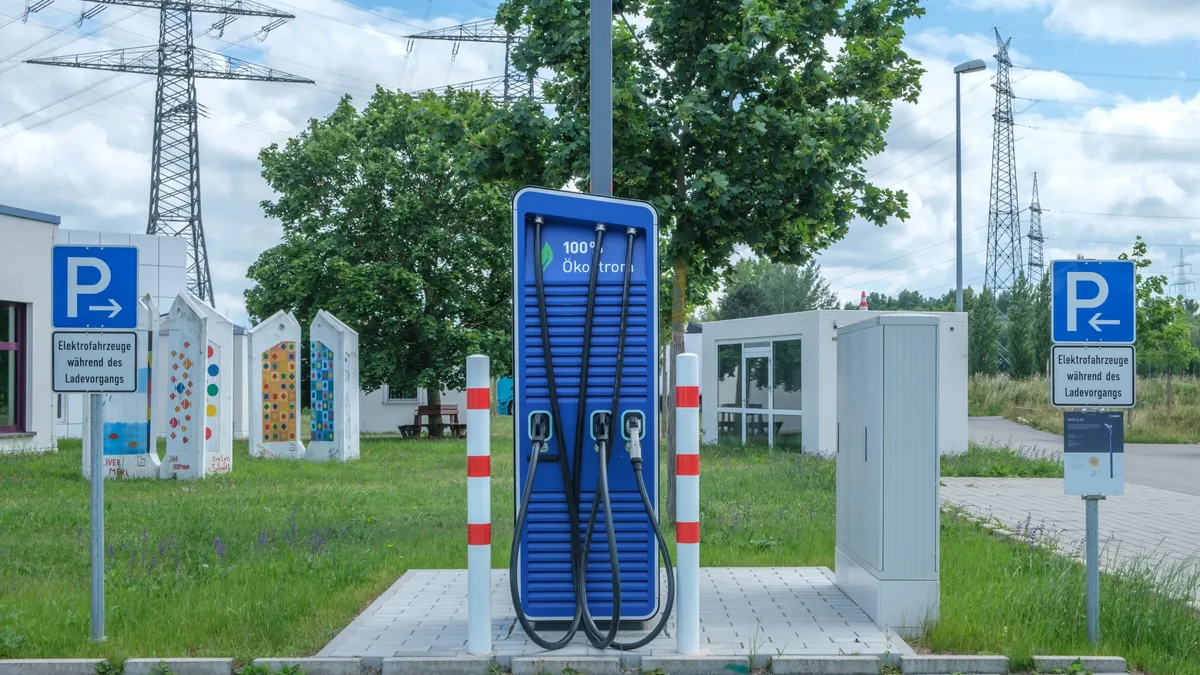
NACS Fast Charger Deployment Accelerates in 2026
The US charging landscape is shifting as NACS connectors see rapid growth from non-Tesla networks, while CCS1 expansion remains strong and CHAdeMO
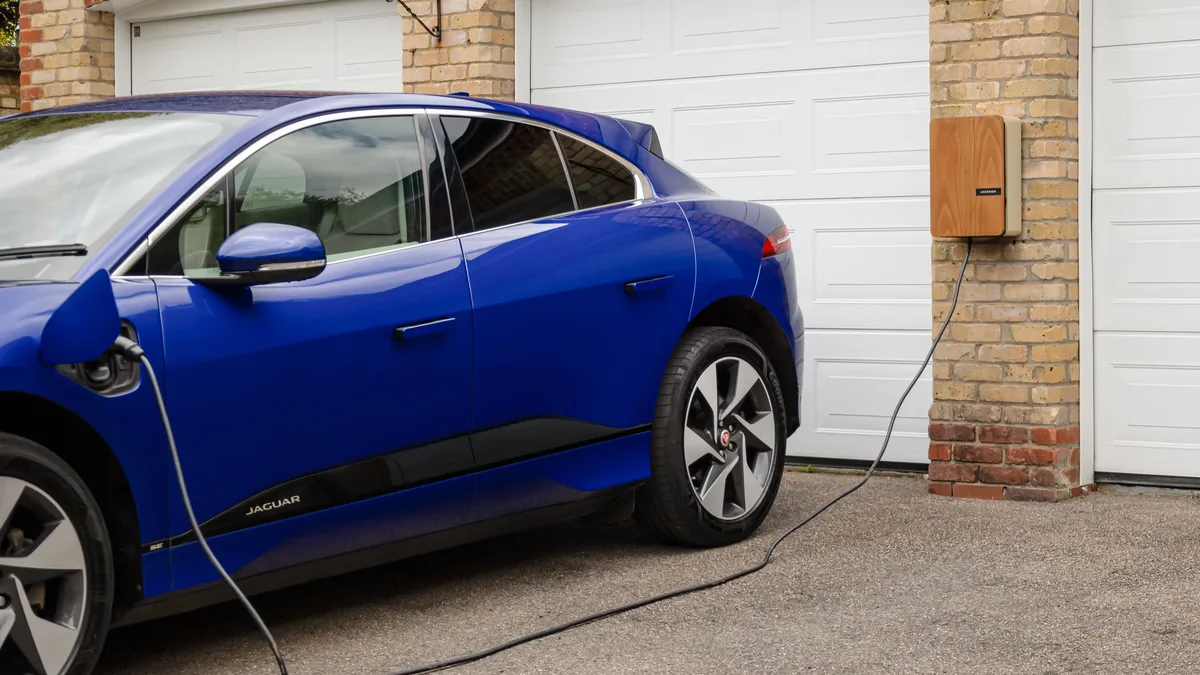
Schneider Charge EV Home Charger Includes Load Balancing
Schneider Electric's new home EV charger includes hardware for dynamic load balancing, a feature that requires an extra purchase for Tesla's...
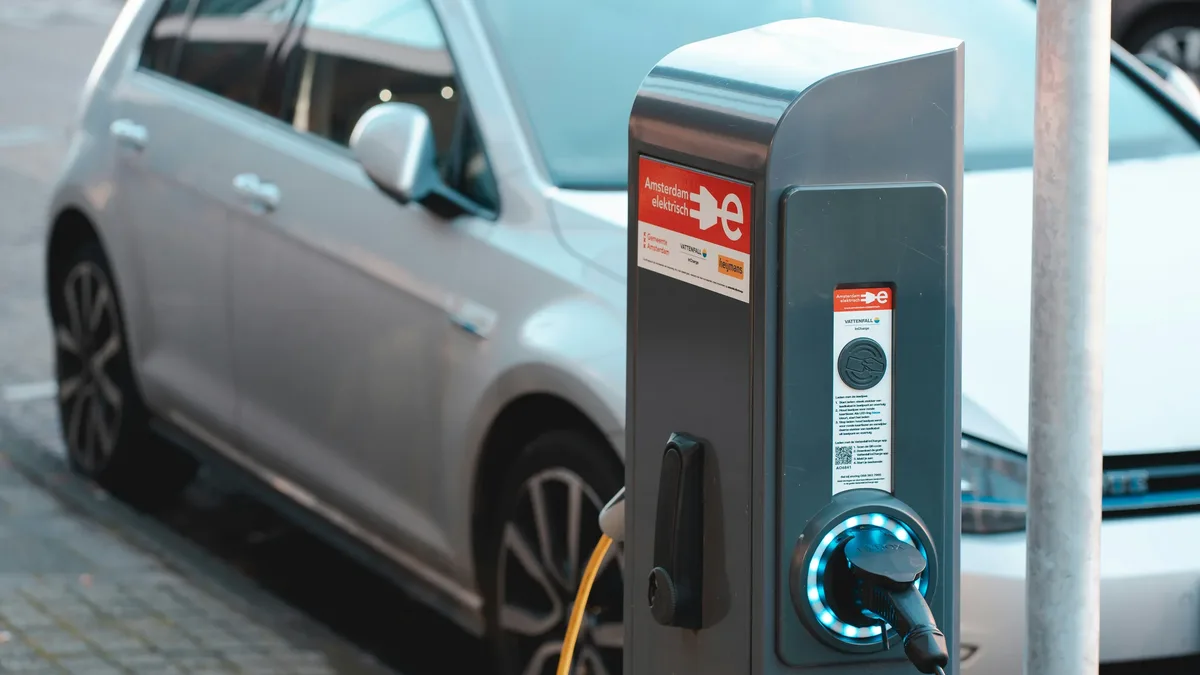
San Francisco launches curbside EV charger
San Francisco launched a program to install public curbside EV chargers, targeting 100 stations by 2030. Residents can nominate locations via a new...
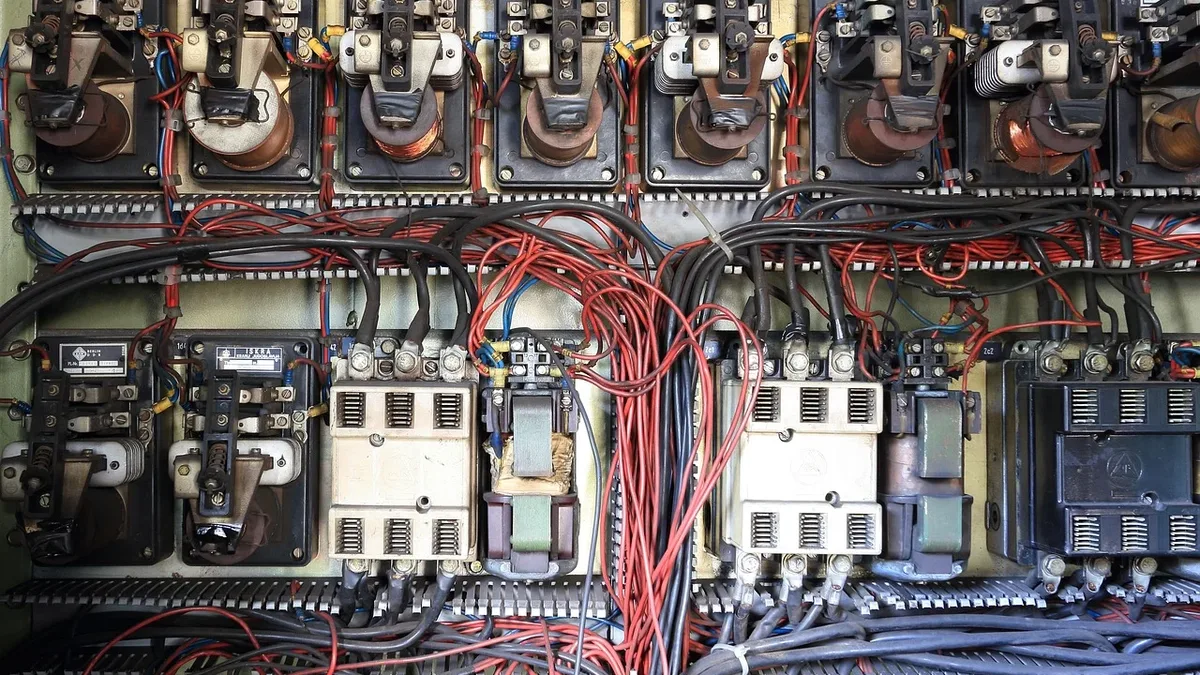
EV charging on 100-amp home panel
A 100-amp home electrical panel can typically support a Level 2 EV charger, but at a reduced 24-32A setting rather than full power, according to...

EVgo Preps Next-Gen Charger, NACS Retrofit
EVgo is finalizing a new 400 kW charging system for launch later this year and will retrofit its network with NACS connectors.