EVgo Previews 750 kW DC Fast Charger for 2027
EVgo has unveiled a next-generation DC fast-charging system capable of delivering up to 750 kW to a single vehicle.
EVgo has previewed a next-generation DC fast-charging system capable of delivering up to 750 kW with dynamic power allocation across multiple stalls. The charging network is designing, developing, and testing the new hardware at its own innovation lab in El Segundo, California. This system represents more than twice the company’s current maximum charger capacity of 350 kW. EVgo is preparing to deploy this new generation of chargers in the United States, with a market launch targeted for 2027.
The platform is built to distribute electricity across multiple stalls instead of handling each one in isolation. Available power is dynamically allocated between connected electric vehicles with about 50-kW granularity. This means each vehicle receives the maximum power it is capable of accepting. The system can shift output during a session as a vehicle's battery can take more or less power, so long as the site has enough electricity available overall. EVgo is still developing and testing the equipment with Delta Electronics before finalizing the design.
Technical capabilities and power distribution
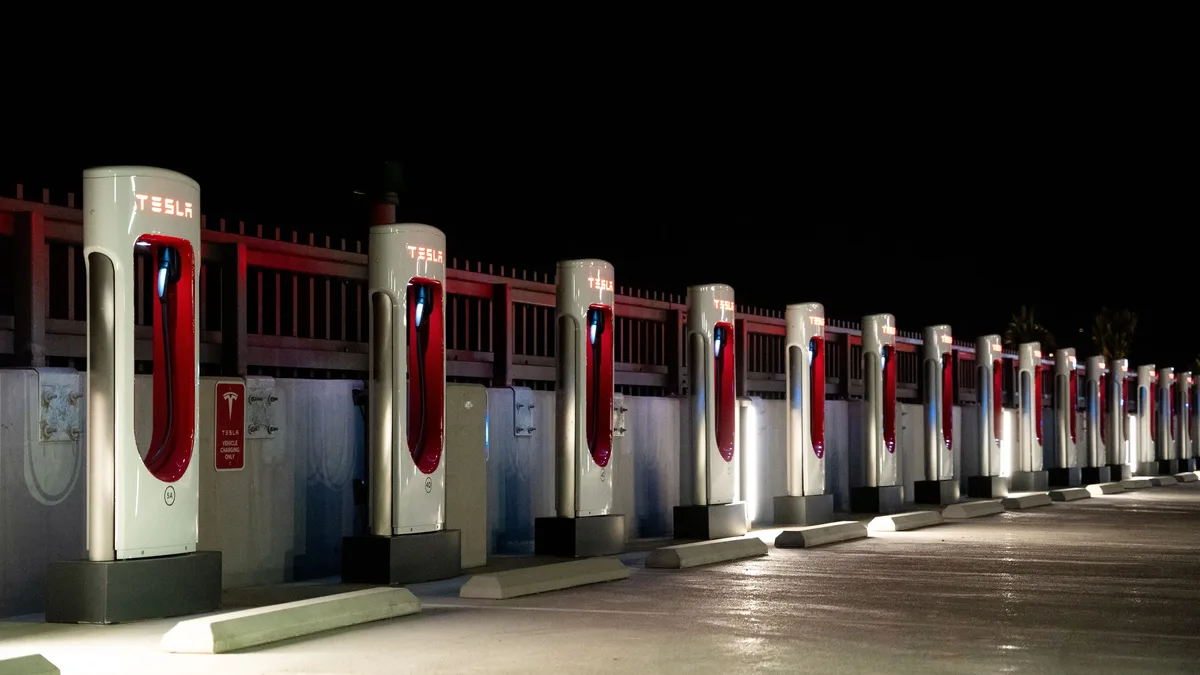
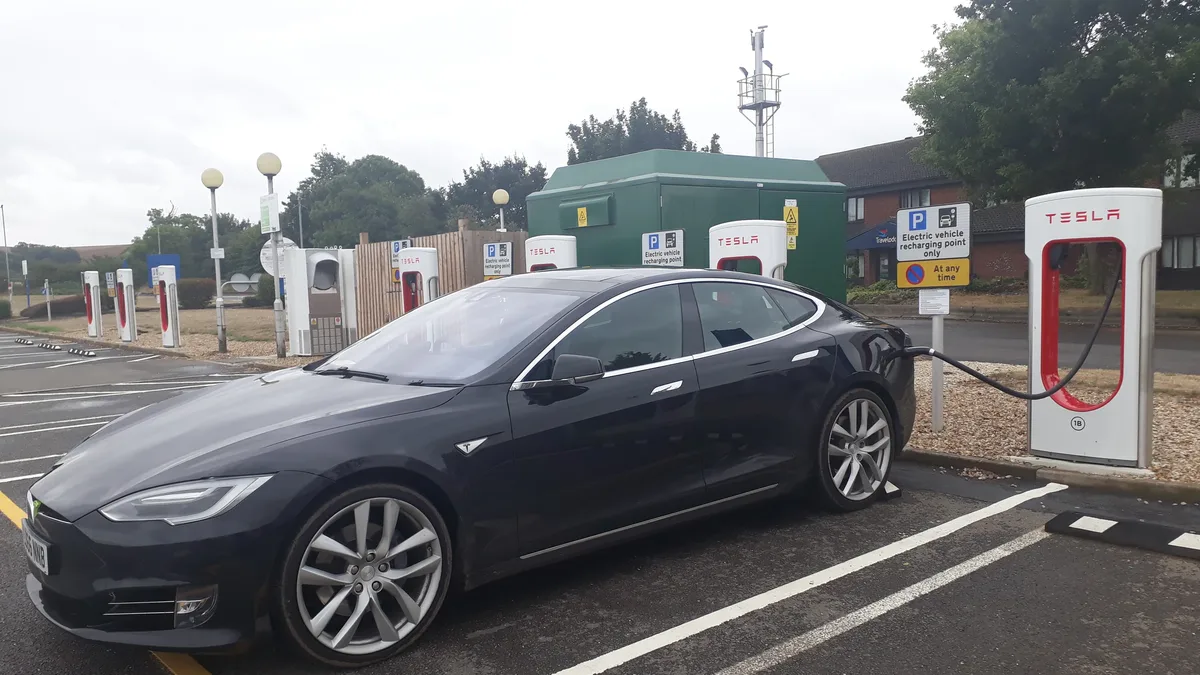
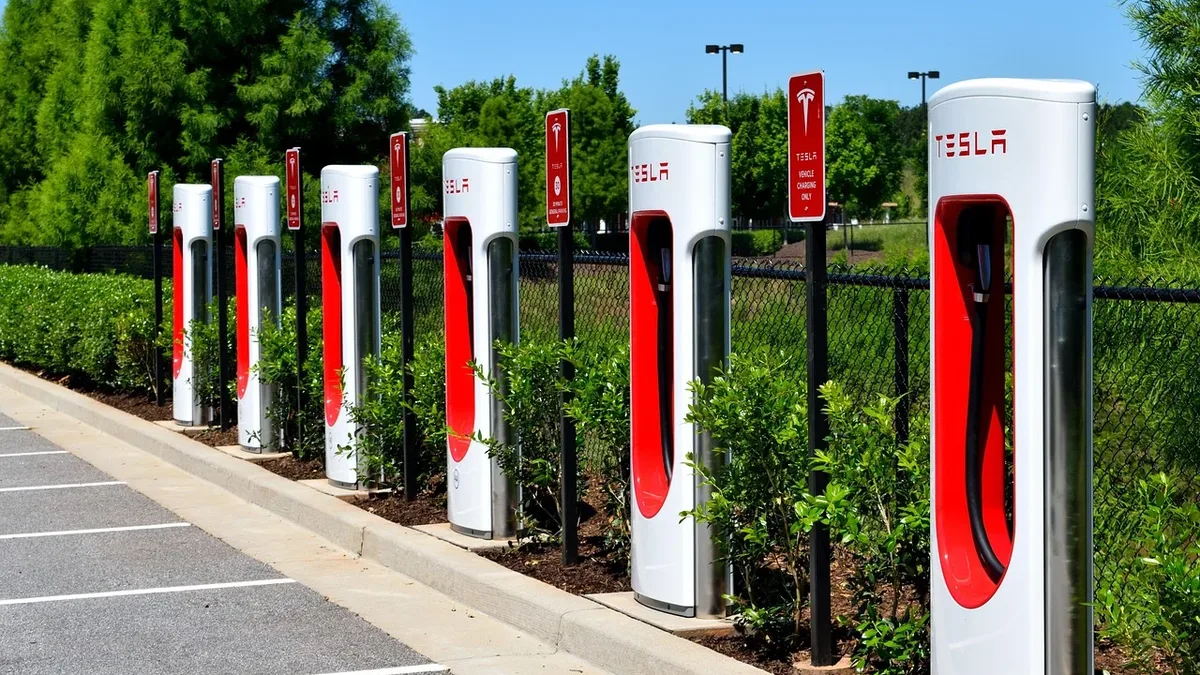
The 750-kW power electronics cabinet can supply electricity for up to six stalls simultaneously. In that maximum configuration, the average power per stall is 125 kW. Power per stall can be higher in two- or four-stall configurations. For comparison, Tesla V4 Superchargers average 150 kW per stall.
Alex Keros, EVgo’s Senior VP of Product, confirmed that the maximum system-level power can be sent to a single EV, enabling a peak charging rate of 750 kW. Achieving this requires an empty site and an EV capable of accepting such power. The next-generation charger is a 1,000-volt-class system, implying a maximum current of around 750 amps. For EVs with 400-volt-class batteries, the maximum output is estimated to reach at least 300 kW.
| Configuration | Average Power Per Stall | Notes |
|---|---|---|
| Six stalls | 125 kW | Maximum cabinet configuration |
| Four stalls | Higher than 125 kW | Depends on vehicle demand |
| Two stalls | Higher than 125 kW | Depends on vehicle demand |
| Single stall (ideal) | Up to 750 kW | Requires compatible, empty site |
An example of dynamic allocation could see up to 400 kW delivered to a Lucid Gravity and up to 250 kW to a Tesla Model 3 simultaneously.
Design, compatibility, and deployment plans
Built as a 1,000-volt-class system with NACS support, easier cables, touchless payment, and prefabricated design, the chargers are slated for U.S. Deployment starting in 2027. The new system was designed with prefabrication and streamlined installation in mind. EVgo is already mastering deployment of pre-assembled chargers, with a 40% share of such systems deployed in 2025.
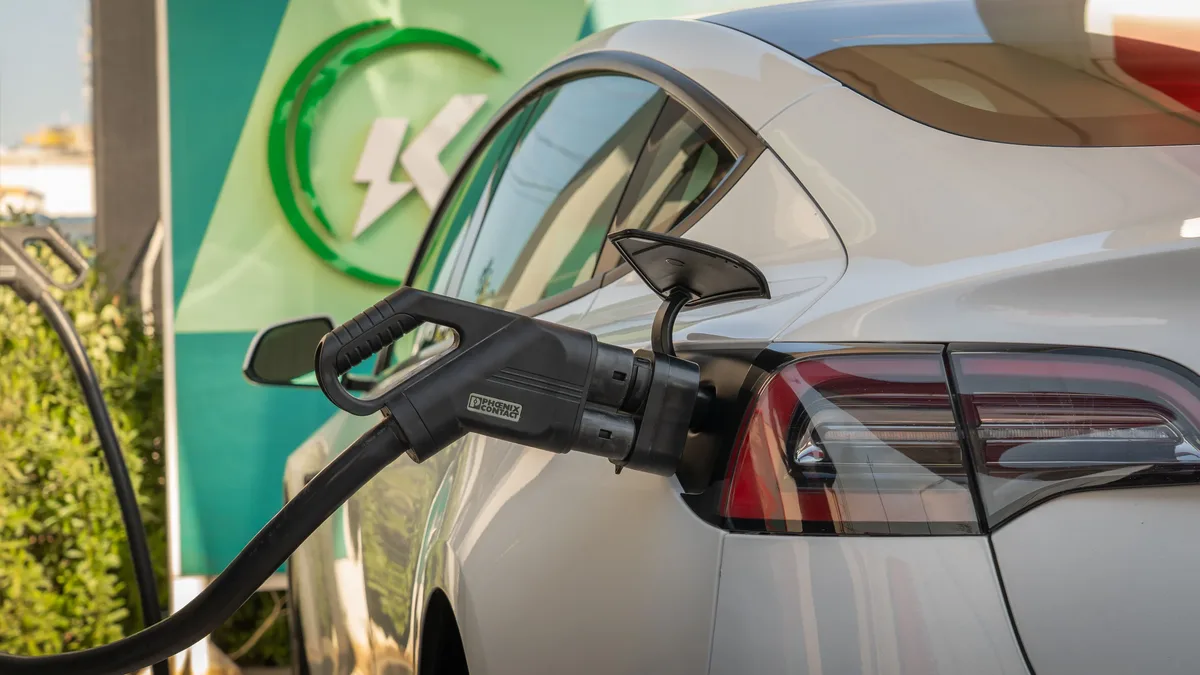
The stations will use a NACS connector and include easier-to-handle cables. They will feature a contactless payment interface that allows drivers to pay for charging without downloading a smartphone app. EVgo plans to offer similar power output for both NACS and CCS1 connector standards and intends to increase the number of NACS-standard ports at new stations. The first such stations are expected to begin operating next year.
Context and real-world considerations
There are currently no electric vehicles sold in the United States that can accept charging at 750 kW. The new system may be suitable for future electric pickups and trucks with large batteries. EVgo says the system could charge some of the fastest-charging electric vehicles sold in the United States in about 10 minutes, though it has not detailed the battery-charge range behind that estimate.
Real-world charging results depend on the vehicle, battery temperature, and the state of charge at the start of the session. The 2027 deployment target is later than the second half of 2026 target tied to its 2024 Delta announcement. Drivers will be able to see how much power each vehicle actually gets as stations become busier. EVgo's announcement is a preview of technology still being built rather than something drivers can use right away.
According to the US Department of Energy’s Alternative Fuels Data Center, EVgo operates nearly 2,000 DC fast-charging stations and more than 5,300 DC fast-charging ports in total in the United States. The company plans to unveil the system’s final design next year and begin deployment in 2027.