Enphase Iq Ev Charger
| Product type | Level 2 AC EV charger |
|---|---|
| Compatible vehicles | All North American EVs (J1772 connector) |
| Maximum output | 11.5 kW |
| Grid integration | Works with Enphase home energy systems |
| Control method | Wi-Fi and cellular connectivity |
| Installation | Hardwired |
| Certifications | UL listed |
Origin and history
The Enphase IQ EV Charger is a product of Enphase Energy, a company founded in the United States. Enphase established itself in the solar microinverter market in the 2000s before expanding into energy management systems. The company's move into electric vehicle charging hardware occurred in the 2020s, aligning with the broader integration of residential solar, storage, and EV charging. This charger represents a strategic extension of Enphase's ecosystem beyond pure solar generation into comprehensive home energy control. Its development is part of a wider industry trend where solar inverter manufacturers are creating bundled energy solutions. The charger is designed to integrate seamlessly with the existing Enphase IQ platform, which manages solar panels and battery storage.
What it is designed for
The Enphase IQ EV Charger is specifically designed for integration within a residential Enphase Energy System. Its primary function is to charge an electric vehicle using surplus solar energy produced by an Enphase solar array. The charger is engineered to communicate directly with the Enphase IQ Gateway and Enphase IQ Batteries to optimize charging times and power sources. This allows homeowners to prioritize self-consumption of solar energy, potentially reducing grid electricity use for vehicle charging. It is intended for single-family home installations, typically using a Level 2 alternating current (AC) charging standard. The design philosophy centers on creating a unified, software-managed home energy ecosystem rather than operating as a standalone charging device.
Development and versions
The Enphase IQ EV Charger was developed as a hardware and software component of the Enphase IQ Platform. Its development followed the company's release of the Enphase IQ Battery, creating a more complete product suite for energy independence. The charger's software is updated through the same Enphase App and Enlighten monitoring platform that controls the solar and storage systems. Firmware updates are deployed to add features, improve compatibility with various electric vehicle models, and enhance charging algorithms. The physical design of the charger unit is consistent with other Enphase hardware, emphasizing weatherproof outdoor installation and a compact form factor. As a relatively recent product, its version history is primarily reflected in software iterations that expand its smart charging capabilities and grid interaction features.
Pros and cons
A significant advantage is its deep integration with the Enphase solar and battery system, enabling true solar-only charging and intelligent load management. The unified user interface through the Enphase App simplifies monitoring and control of all home energy assets. However, a major drawback is its proprietary ecosystem lock-in; it offers limited functionality and no smart features if used without other Enphase components. Users who do not have an Enphase solar system may regret the purchase, as they pay a premium for capabilities they cannot access. A common mistake is underestimating the installation complexity and cost, which typically requires a certified Enphase installer, unlike some more generic chargers. Furthermore, its charging speed and physical connectivity are standard Level 2, meaning its primary differentiator is software intelligence, not hardware performance.
Who it suits
This charger suits homeowners who already have, or are concurrently installing, a complete Enphase Energy System including IQ Microinverters and an IQ Battery. It is ideal for users whose primary goal is to maximize the use of their self-generated solar power for all home needs, including transportation. It suits technically-minded individuals who prefer a single vendor and a unified app for managing their entire home's energy production, storage, and consumption. The product is less suitable for renters, those without dedicated parking, or homeowners with non-Enphase solar installations seeking a basic charger. It also may not suit EV owners who frequently rely on public DC fast charging networks, as this is a slower, home-focused AC charger. Ultimately, it is a niche product that fits perfectly within its intended ecosystem but offers little advantage outside of it.
Latest Enphase Iq Ev Charger news
Latest reporting

EVSE Lifespan: When to Replace Your Home Charger
An engineer's personal EVSE showed signs of wear through increased internal heating, prompting an investigation into charger lifespan.
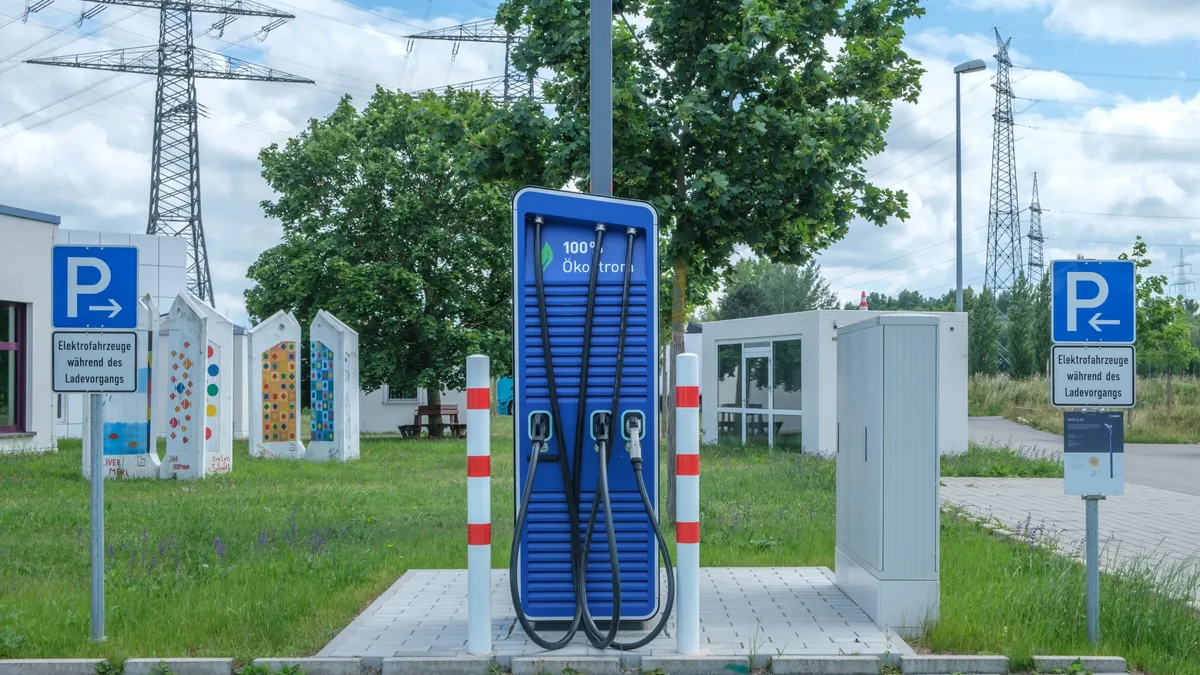
NACS Fast Charger Deployment Accelerates in 2026
The US charging landscape is shifting as NACS connectors see rapid growth from non-Tesla networks, while CCS1 expansion remains strong and CHAdeMO
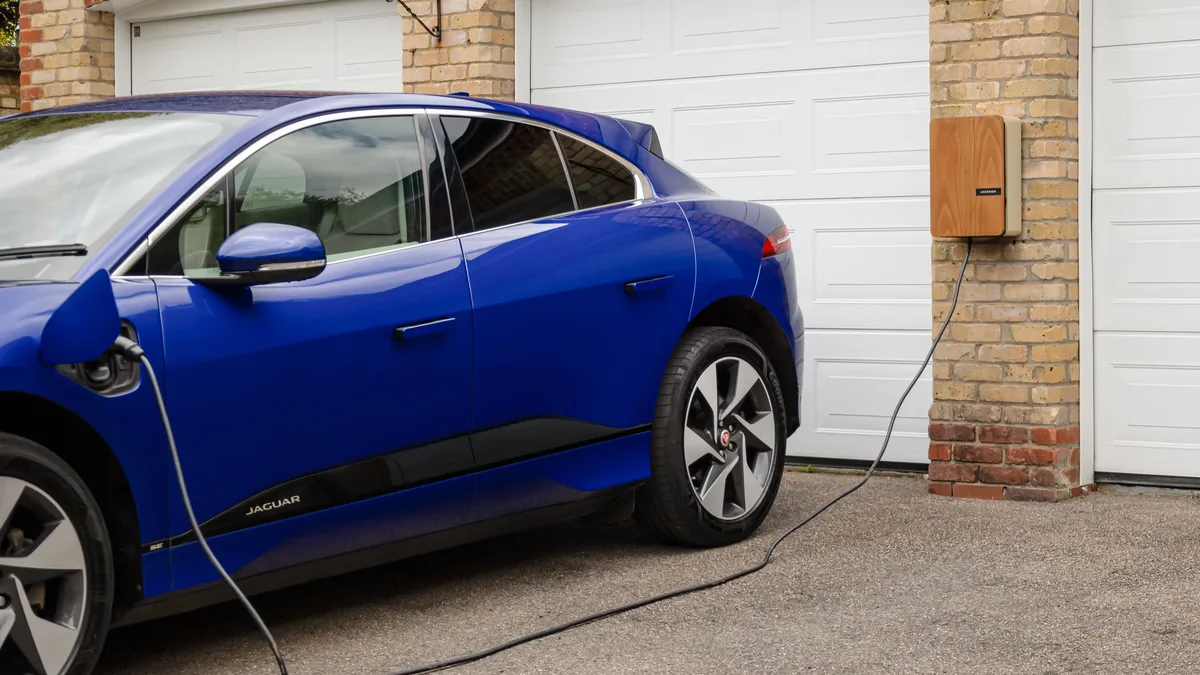
Schneider Charge EV Home Charger Includes Load Balancing
Schneider Electric's new home EV charger includes hardware for dynamic load balancing, a feature that requires an extra purchase for Tesla's...
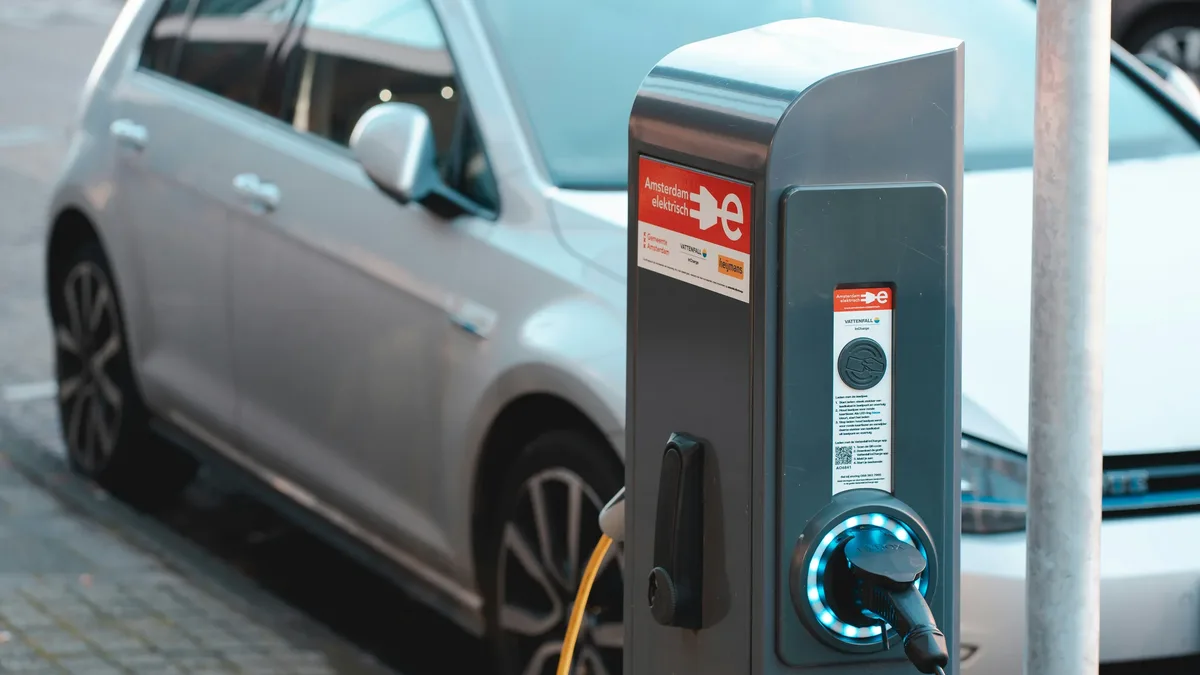
San Francisco launches curbside EV charger
San Francisco launched a program to install public curbside EV chargers, targeting 100 stations by 2030. Residents can nominate locations via a new...
EV charging on 100-amp home panel
A 100-amp home electrical panel can typically support a Level 2 EV charger, but at a reduced 24-32A setting rather than full power, according to...

EVgo Preps Next-Gen Charger, NACS Retrofit
EVgo is finalizing a new 400 kW charging system for launch later this year and will retrofit its network with NACS connectors.