Evgo
| Network type | Public DC Fast Charging and Level 2 |
|---|---|
| Ownership model | Publicly traded company (NASDAQ: EVGO) |
| Charging connector types | CHAdeMO and CCS |
| Charging speed | 50 kW to 350 kW |
| Network coverage | United States |
| Original use | DC fast charging for electric vehicles |
| First created | 2010 |
| Country of origin | United States |
Origin and history
EVgo originates from the United States and was established in the 2010s as a dedicated public electric vehicle charging network. It was founded during a period of early mainstream adoption of electric vehicles, coinciding with the launch of models like the Nissan Leaf and Chevrolet Volt. The company was created to address the significant lack of public fast-charging infrastructure available to drivers beyond the Tesla network. Its development was supported by early investments from utility companies and venture capital firms recognizing the growing need for charging access. EVgo's initial infrastructure rollout focused on deploying DC fast chargers, known as DCFC, in metropolitan areas and along key corridors. The network's early sites were often located at retail centers and grocery stores to provide convenient charging during errands.
What it is designed for
EVgo is designed explicitly for public, on-the-go fast charging of battery electric vehicles, not for primary overnight or workplace charging. The network primarily serves drivers who need to rapidly add a substantial amount of range in a short period, typically between 30 to 45 minutes. It is engineered to support drivers without reliable access to home charging, including those living in apartments or condominiums. The infrastructure is strategically placed in urban hubs, suburban retail locations, and along highway corridors to facilitate both daily use and longer-distance travel. A core design principle is compatibility, aiming to serve the broadest array of EV models using the Combined Charging System (CCS) and CHAdeMO connector standards. This design specifically excludes vehicles that only use proprietary connectors, such as Tesla models without an adapter, though it now includes Tesla connectors at many stations.
Development and versions
EVgo's development has been marked by a continuous expansion of its charging hardware's power capabilities and a broadening of its physical network footprint. A significant version evolution was the introduction of its "High Power Charging" (HPC) sites, which feature multiple stalls with higher power levels and improved reliability. The network has also developed through software, with iterations to its mobile app for initiating sessions, real-time status monitoring, and payment processing. Recent development focuses on creating large charging plazas with numerous stalls, canopies, and amenities to manage increased demand and improve user experience.
Pros and cons
A significant pro is EVgo's extensive deployment in metropolitan areas, providing crucial coverage for urban and suburban drivers who lack home charging. The network's commitment to maintaining both CCS and CHAdeMO connectors at most stations offers compatibility for a wide range of vehicles, including older Nissan and Mitsubishi models. A notable con is the inconsistent reliability of its chargers, where users frequently encounter units that are out of service, deliver power significantly below their rated capacity, or have faulty payment systems. The pricing structure, often based on per-minute fees in many states, can become exceptionally expensive for vehicles with lower charging acceptance rates, causing regret for drivers of older EVs. A common mistake is users not actively checking the real-time status of a specific charger in the app before arrival, leading to wasted trips and range anxiety. The network also faces congestion at popular locations during peak times, with no reservation system, resulting in unpredictable wait times.
Who it suits
EVgo best suits drivers of modern CCS-equipped electric vehicles, such as those from Chevrolet, Ford, Hyundai, Kia, and Volkswagen, who can utilize its higher-power chargers for efficient stops. It is a practical solution for urban apartment dwellers who rely entirely on public charging infrastructure for their vehicle's energy needs. The network is also suitable for drivers taking short regional trips where its highway-adjacent locations can provide a necessary mid-journey top-up. Owners of older CHAdeMO-standard vehicles, like the Nissan Leaf, may find it one of the few remaining reliable fast-charging options for longer trips. It is less suited for drivers in rural regions where its network density drops sharply, or for those whose primary charging can be done at home for a fraction of the cost. Finally, it suits drivers who are comfortable with and consistently use the associated mobile app for activation and payment to streamline the charging process.
Latest Evgo news
Latest reporting
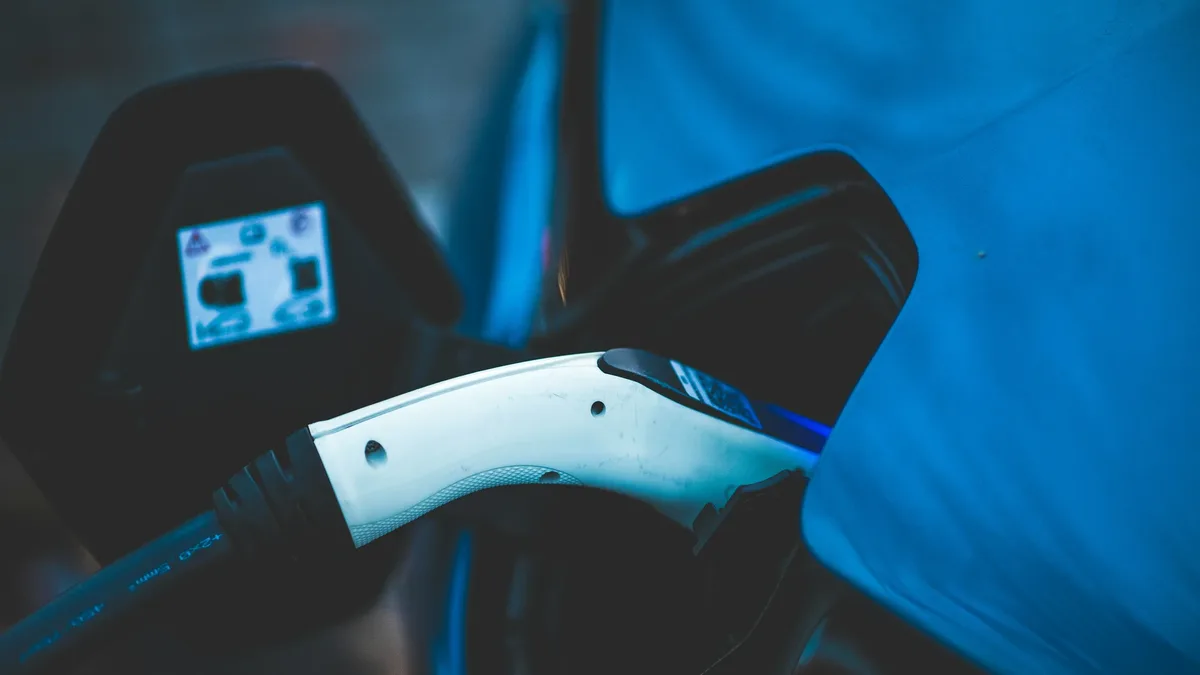
EVgo Preps Next-Gen Charger, NACS Retrofit
EVgo is finalizing a new 400 kW charging system for launch later this year and will retrofit its network with NACS connectors.
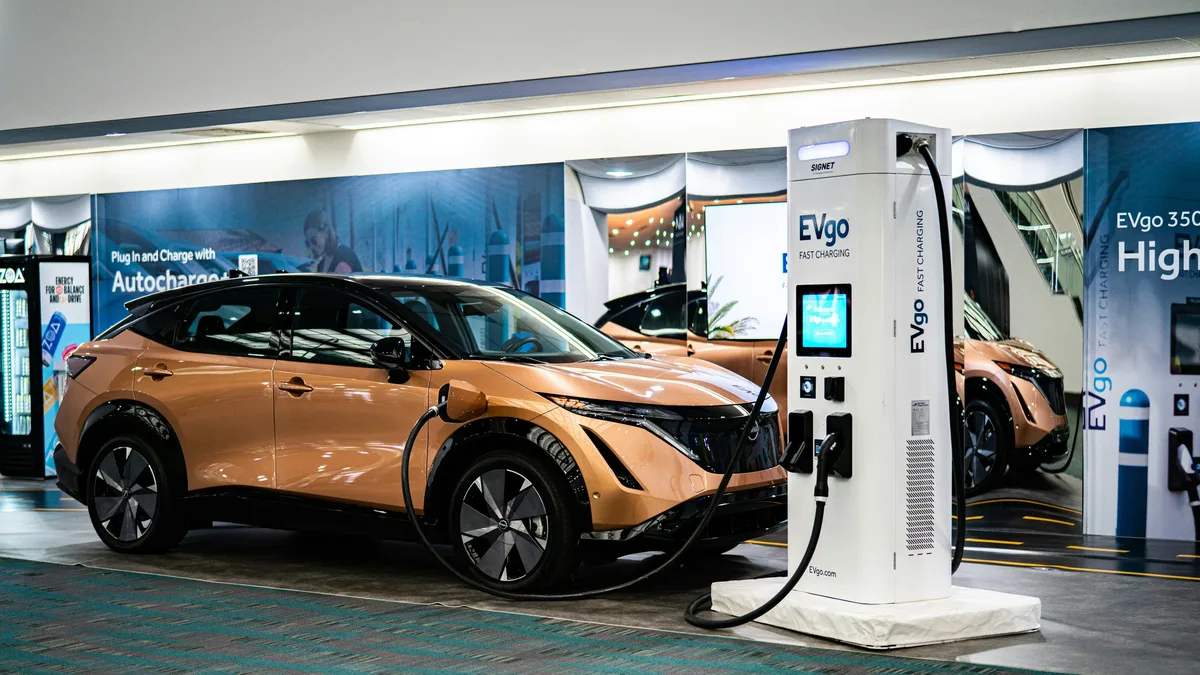
EVgo CEO on Charger Upgrades, NACS Expansion
EVgo CEO Badar Khan outlined the network's upgrade path, expansion plans, and shift to NACS connectors in an interview with State Of Charge.