
Ionna
| Name | IONNA |
|---|---|
| Original use | Public electric vehicle fast charging |
| First created | 2024 |
| Country of origin | United States |
| Founding partners | BMW, General Motors, Honda, Hyundai, Kia, Mercedes-Benz, Stellantis |
| Charging standard | Combined Charging System (CCS) and North American Charging Standard (NACS) |
| Network status | Under development |
Origin and history
Ionna is a joint venture charging network established in the 2020s by a consortium of major automotive manufacturers. Its founding was announced in the latter half of the decade, marking a strategic shift by automakers to directly control the high-powered charging experience for their customers. The network originates from a collaborative effort primarily led by seven legacy car companies: BMW, General Motors, Honda, Hyundai, Kia, Mercedes-Benz, and Stellantis. This initiative was formed in direct response to the growing need for reliable, high-quality charging infrastructure across North America and Europe. The creation of Ionna represents a significant capital investment and commitment from these automakers, who previously relied on third-party charging providers. Its formation is a pivotal development in the competitive landscape of electric vehicle support infrastructure.
What it is designed for
Ionna is designed specifically to provide a premium, high-powered direct current (DC) fast charging experience for electric vehicle customers of its founding automotive brands. A core design principle is to ensure exceptional reliability and consistent charging speeds, addressing common customer complaints about existing public networks. It is intended to be a brand-agnostic network, meaning it will service all electric vehicles equipped with compatible charging ports, though it prioritizes the needs of its partner brands. The design incorporates plans for large, well-equipped charging stations with amenities like restrooms, food service, and retail spaces to make charging stops more comfortable. Furthermore, the network is being built with a focus on renewable energy integration and grid stability from its inception.
Development and versions
The development of Ionna is an ongoing, multi-phase process focused on a large-scale physical rollout of new charging stations rather than software versions. The initial development phase involves securing sites, permitting, and constructing the first charging plazas across North America, with a stated goal of installing at least 30,000 high-powered charge points. A parallel development track in Europe will see a complementary network built to similar specifications. Network development also includes creating a seamless digital experience through a unified mobile application for all partner brands, handling initiation, payment, and route planning. The development roadmap includes integrating Plug & Charge functionality using the ISO 15118 standard for automatic authentication and billing. Initial station deployments are targeted for major highway corridors and metropolitan areas to establish a foundational backbone for the network.
Pros and cons
A primary pro of Ionna is the substantial financial backing and long-term commitment from multiple major automakers, which suggests a high likelihood of completion and sustained operational focus on reliability. The network's design for ultra-high power from the outset future-proofs it for next-generation EVs with larger batteries, potentially making it the fastest public option available. The planned amenities and focus on driver comfort directly address a significant pain point in current long-distance EV travel. A significant con is that the network, as of its initial announcement, does not yet exist at scale, meaning early adopters of partner-brand EVs cannot rely on it for several years, forcing continued dependence on existing, often flawed networks. The joint venture structure, involving seven competing companies, could lead to slower decision-making and operational complexities that hinder a rapid and cohesive rollout. There is a risk that the focus on premium, large-format stations may result in a slower density build-out compared to networks focusing on ubiquitous, smaller installations, potentially leaving gaps in coverage.
Who it suits
Ionna will suit owners of electric vehicles from its founding partner brands, BMW, GM, Honda, Hyundai, Kia, Mercedes-Benz, and Stellantis, who frequently undertake long-distance travel and prioritize charging speed and predictability. It is particularly suited for drivers of upcoming models engineered for ultra-fast charging, as they will be able to fully utilize the network's high power capabilities. The network suits drivers who value a consistent, amenity-rich charging experience and are willing to potentially pay a premium for higher reliability and comfort compared to basic charging stalls. It is less suited for early EV adopters who need a comprehensive charging network immediately, as they will need to use other networks until Ionna's build-out is complete. Owners of EVs from non-partner brands, especially those with lower maximum charging rates, may find less relative value unless the network's locations perfectly fill a route gap, as they will not benefit from the deep brand integration. Ultimately, it suits patient consumers who are betting on the future infrastructure promises of their chosen automaker.
Latest Ionna news
Latest reporting
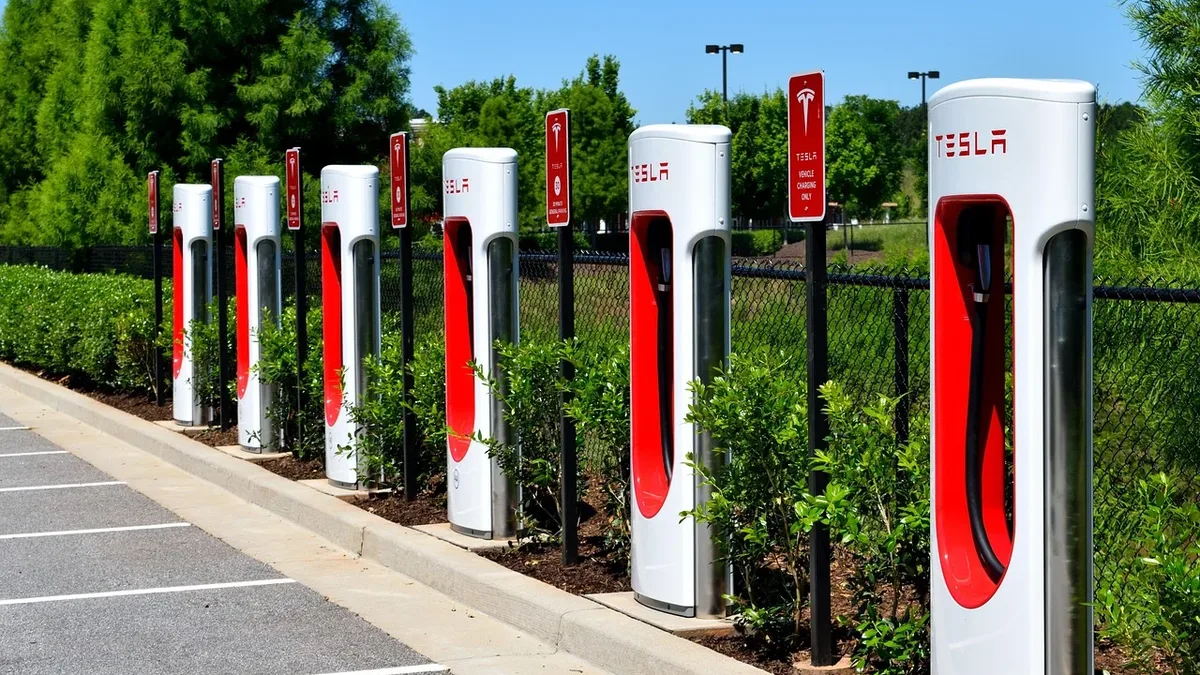
Ionna Tops 2026 JD Power EV Charging Study
The Ionna charging network scored 807 out of 1000 points to rank first in JD Power's 2026 public charging satisfaction study, breaking Tesla's...
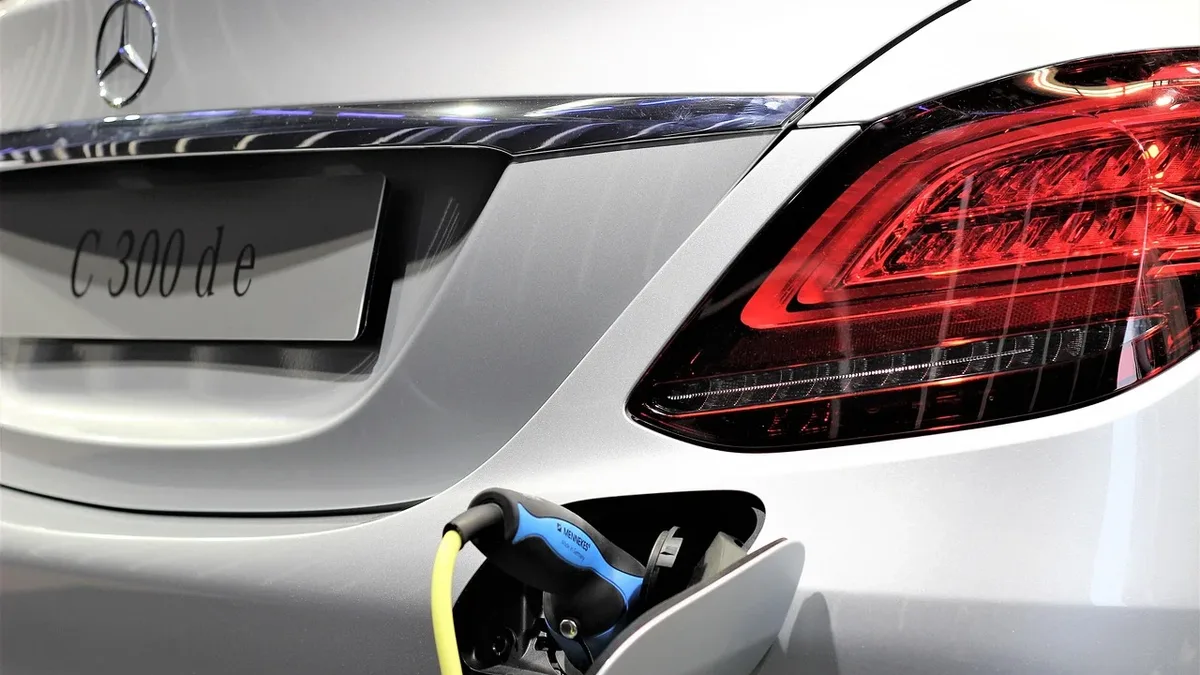
2027 Mercedes CLA Electric Fast-Charging Test Results
Independent testing of the 2027 Mercedes-Benz CLA 350 4MATIC Electric shows its DC fast-charging performance on Electrify America and Ionna networks
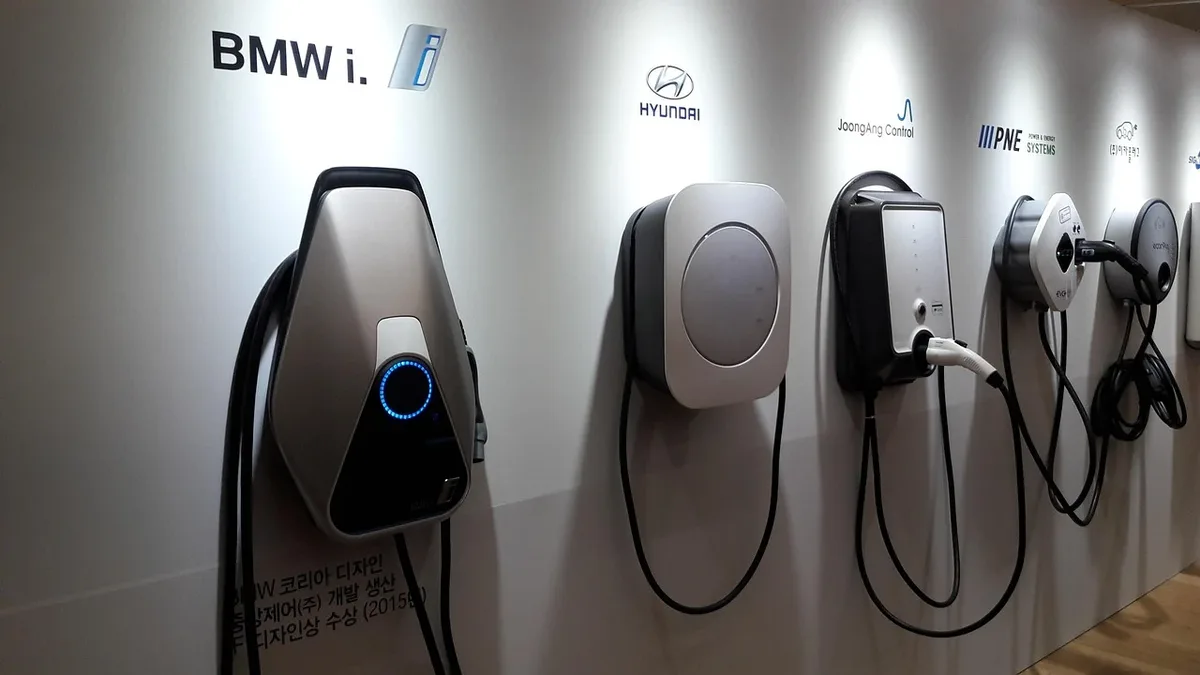
IONNA Cuts EV Fast Charging Rates Nearly 50% for Labor Day
IONNA is offering a holiday charging sale of $0.20 per kWh from September 4-7, nearly half its standard rate. Drivers of BMW, Hyundai, Mercedes-Benz...