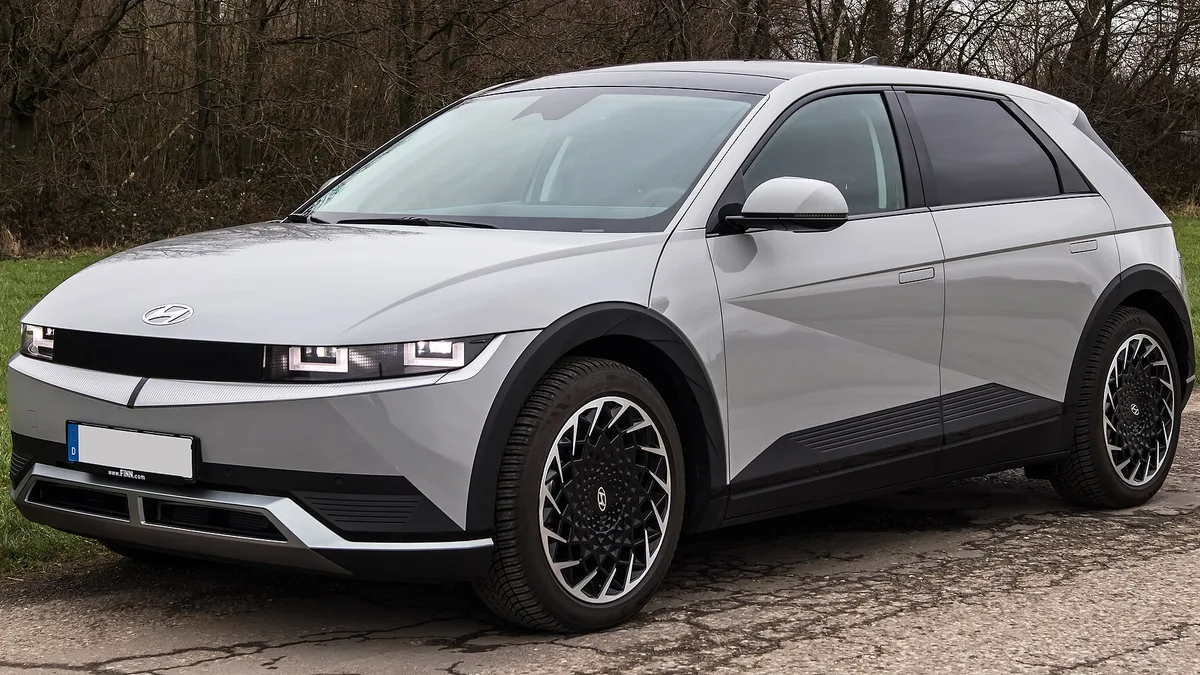
Hyundai Ioniq 5
| Charging port standard | CCS Combo 1 (North America) / CCS Combo 2 (Europe) |
|---|---|
| AC charging power (onboard) | Up to 10.9 kW |
| DC fast charging power | Up to 235 kW |
| DC fast charging network compatibility | Electrify America, EVgo, ChargePoint |
| Vehicle-to-load capability | Yes |
| Battery capacity range | 58 kWh to 77.4 kWh |
| Drivetrain configurations | Rear-wheel drive, all-wheel drive |
| EPA range (combined) | 220 to 303 miles |
Origin and history
The Hyundai Ioniq 5 is a battery electric compact crossover SUV produced by the South Korean automotive manufacturer Hyundai. It was first unveiled as a concept vehicle in the 2020s, with the production model being launched globally shortly thereafter. This vehicle represents the first model in Hyundai's dedicated Ioniq electric vehicle sub-brand, marking a strategic shift from earlier electric adaptations of internal combustion engine platforms. Its design is a direct evolution of the Hyundai "45" concept car shown in 2019, which celebrated 45 years of Hyundai design by looking both backward and forward. The Ioniq 5's launch positioned Hyundai as a direct competitor in the growing market for dedicated electric vehicle architectures. The model's development and release coincided with a period of rapid expansion in the global electric vehicle market in the early 2020s.
What it is designed for
The Hyundai Ioniq 5 is designed as a family-oriented vehicle that prioritizes interior space, comfort, and daily usability through its dedicated Electric-Global Modular Platform (E-GMP). Its design emphasizes a "living space" concept, with a flat floor and movable center console that allows for flexible cabin configurations. The vehicle is engineered to support fast charging capabilities, aiming to reduce downtime during longer journeys by being compatible with high-power public charging infrastructure. It is intended for buyers seeking a practical electric vehicle with distinctive, retro-futuristic styling that stands apart from conventional crossover designs. The Ioniq 5 is also designed to offer a balance of sufficient driving range for most daily and weekend travel needs without the extreme cost associated with the largest battery packs. Its vehicle-to-load (V2L) functionality is a key feature, allowing users to power electronic devices directly from the car, which supports both recreational and emergency use cases.
Development and versions
The Hyundai Ioniq 5 was developed on the company's E-GMP platform, which it shares with sibling models like the Kia EV6 and Genesis GV60. This platform development focused on optimizing interior space through a long wheelbase and providing a structural foundation for high-voltage battery packs and powerful electric motors. Multiple versions have been made available in different global markets, typically varying by battery capacity and drivetrain configuration. Common variants include rear-wheel drive models with a single motor and all-wheel drive models with dual motors, offering different balances of range and performance. Battery options generally include a standard-range and a long-range pack, with the latter providing greater driving distance per charge. Continuous software updates and minor model year changes have been implemented since launch to refine features, battery management, and driver assistance systems.
Pros and cons
A significant pro of the Ioniq 5 is its exceptionally spacious and versatile interior, which benefits from the flat floor architecture of its dedicated EV platform. The vehicle's ultra-fast charging capability, when connected to a compatible high-power DC charger, allows for very short charging stop times, greatly enhancing long-distance travel practicality. Its distinctive and modern design is frequently cited as a major positive, attracting buyers who want an EV that does not resemble a traditional car. A common con is the real-world driving range in all-wheel-drive versions or in very cold climates, which can fall notably short of the official estimates and cause range anxiety for some owners. The ride quality, particularly on models with larger wheel options, can be firm and transmit too much road imperfection into the cabin for a vehicle marketed on comfort. Owners sometimes regret choosing the Ioniq 5 if their regular driving relies on a Tesla Supercharger network, as, despite planned adapters, native access was not initially available and reliance on other networks can be less seamless. A frequent mistake is underestimating the importance of accessible, reliable high-power CCS charging infrastructure in the buyer's region to fully utilize the car's fastest charging potential.
Who it suits
The Hyundai Ioniq 5 suits families or individuals who prioritize interior cabin space and comfort for daily commuting and weekend trips over outright sporty performance. It is well-suited for homeowners or those with reliable access to overnight AC charging, as this covers the majority of daily mileage needs conveniently and cost-effectively. The vehicle appeals to tech-oriented buyers who appreciate the utility of features like vehicle-to-load power and a highly digital, configurable driver interface. It is a strong match for drivers whose longer journeys are reliably along routes with robust, high-power CCS-compatible DC fast charging networks, maximizing the benefit of its rapid charging capability. The Ioniq 5 is also appropriate for buyers seeking an electric vehicle with a strong warranty package and the backing of an established, global automotive manufacturer. It is less suited for individuals whose primary criteria are the absolute longest possible driving range or those who require the most plush, isolated ride quality in the compact SUV segment.
Latest Hyundai Ioniq 5 news
Latest reporting
Hyundai sees small-volume solid-state EVs
Hyundai's R&D chief Manfred Harrer expects limited-production electric vehicles with solid-state batteries to reach market within five years, but...
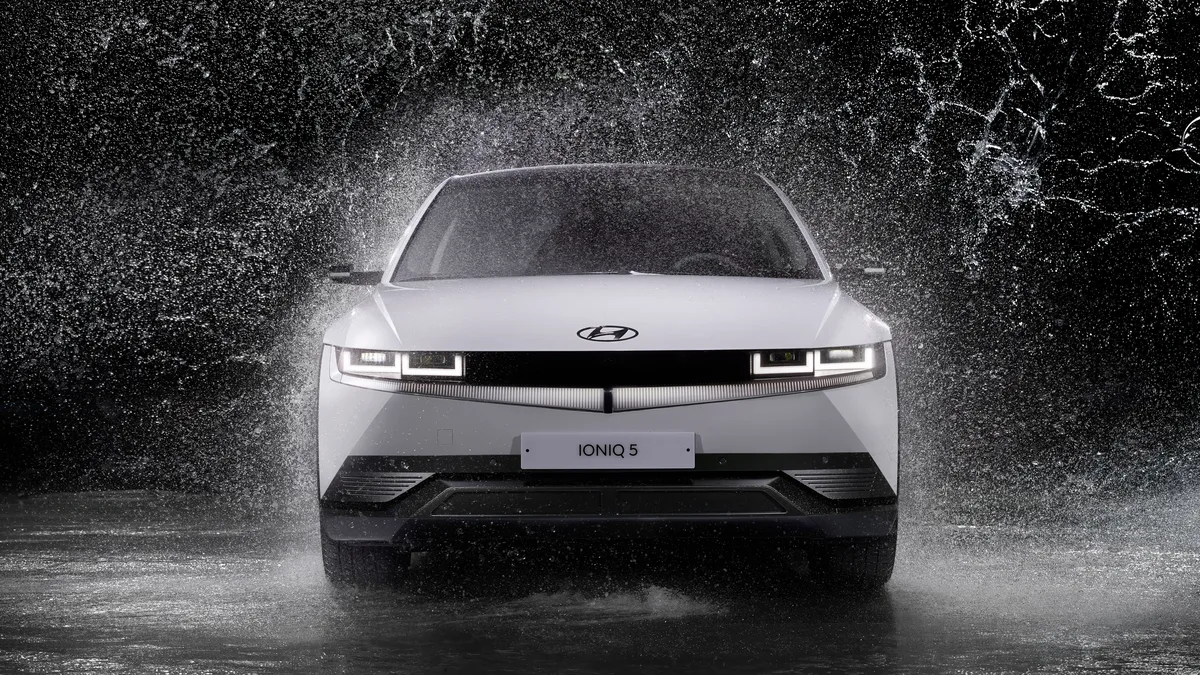
Hyundai Ioniq 5 lease rates rise slightly in September
The Hyundai Ioniq 5 remains one of the most affordable EVs in the US, with September lease deals starting at $319 per month.
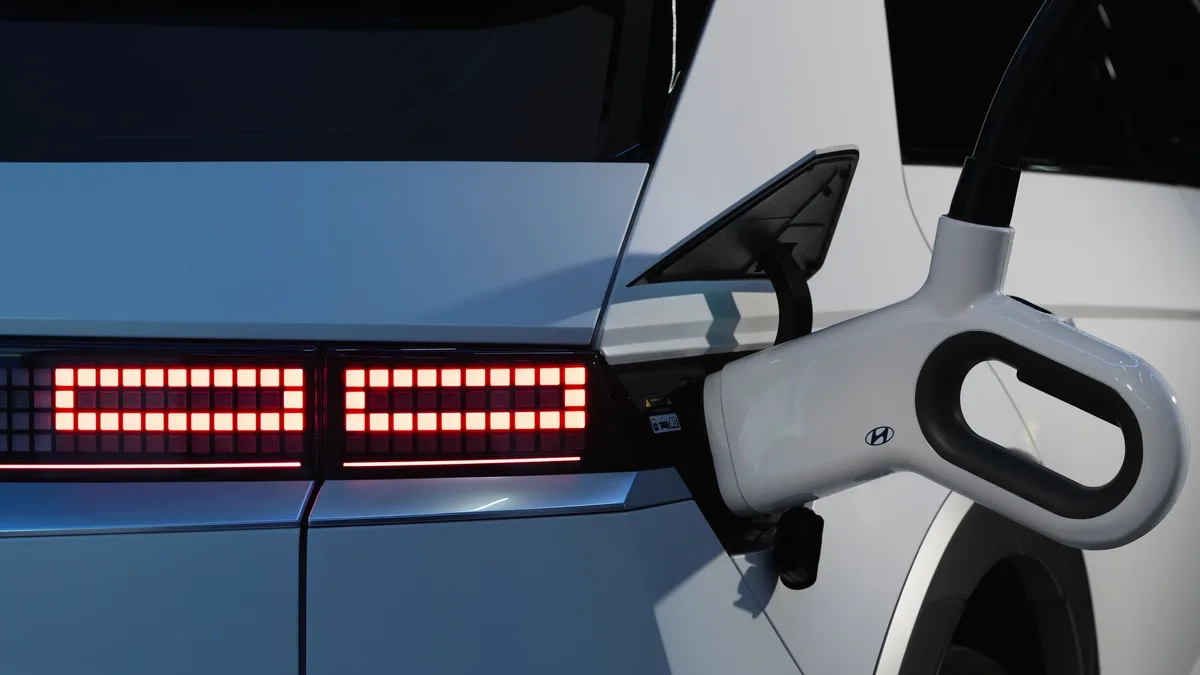
September 2026 EV Deals: Polestar, Kia, Hyundai Offer Steep
Automakers are offering significant cash discounts and financing incentives on new electric vehicles for September 2026,
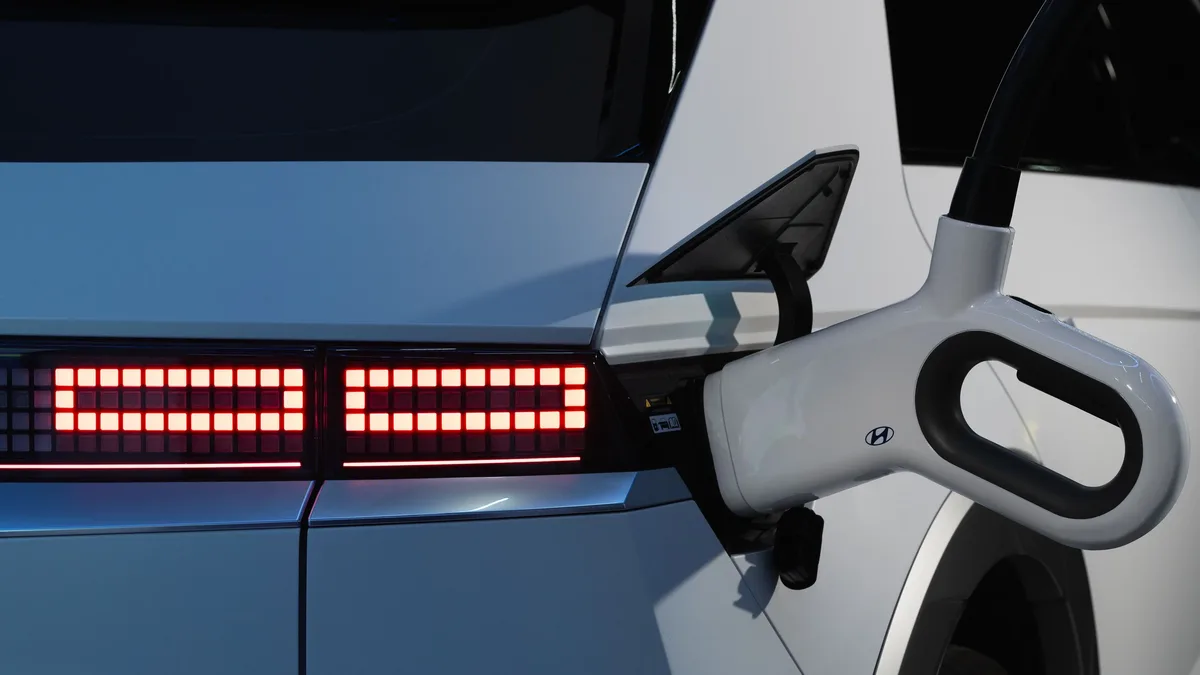
Hyundai dealer charges $418 for single EV
A Michigan Hyundai dealership charged a customer $418 for a single charging session, highlighting issues with dealer-listed 'public' chargers.
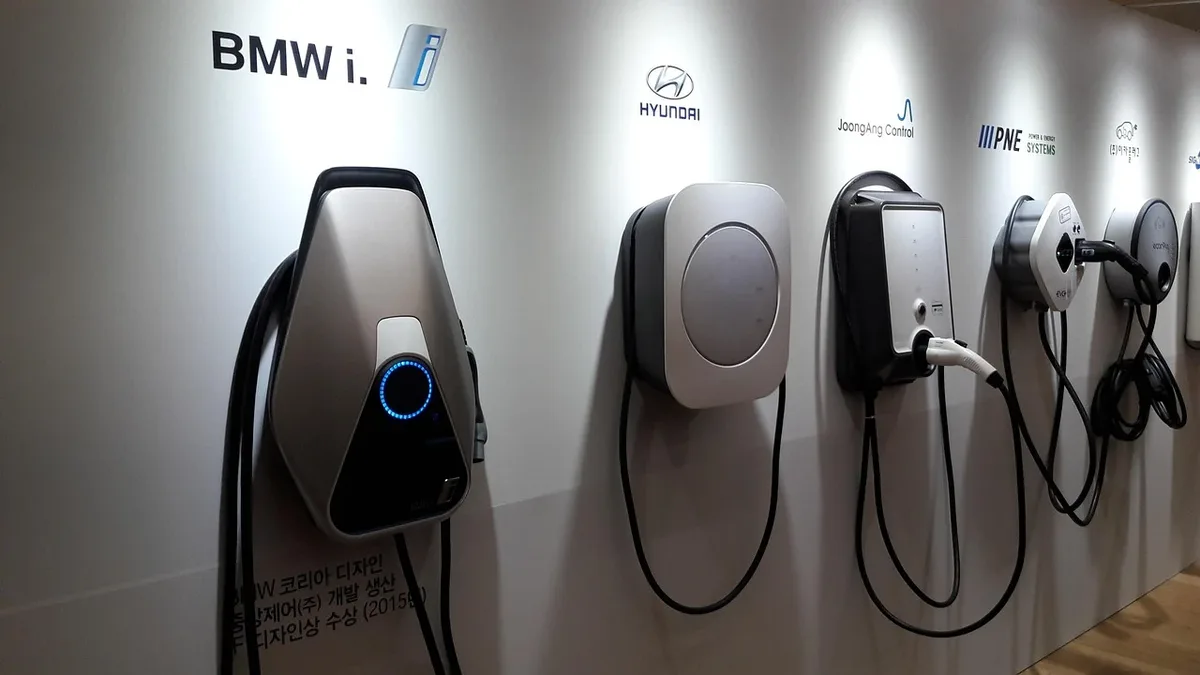
IONNA Cuts EV Fast Charging Rates Nearly 50% for Labor Day
IONNA is offering a holiday charging sale of $0.20 per kWh from September 4-7, nearly half its standard rate. Drivers of BMW, Hyundai, Mercedes-Benz...
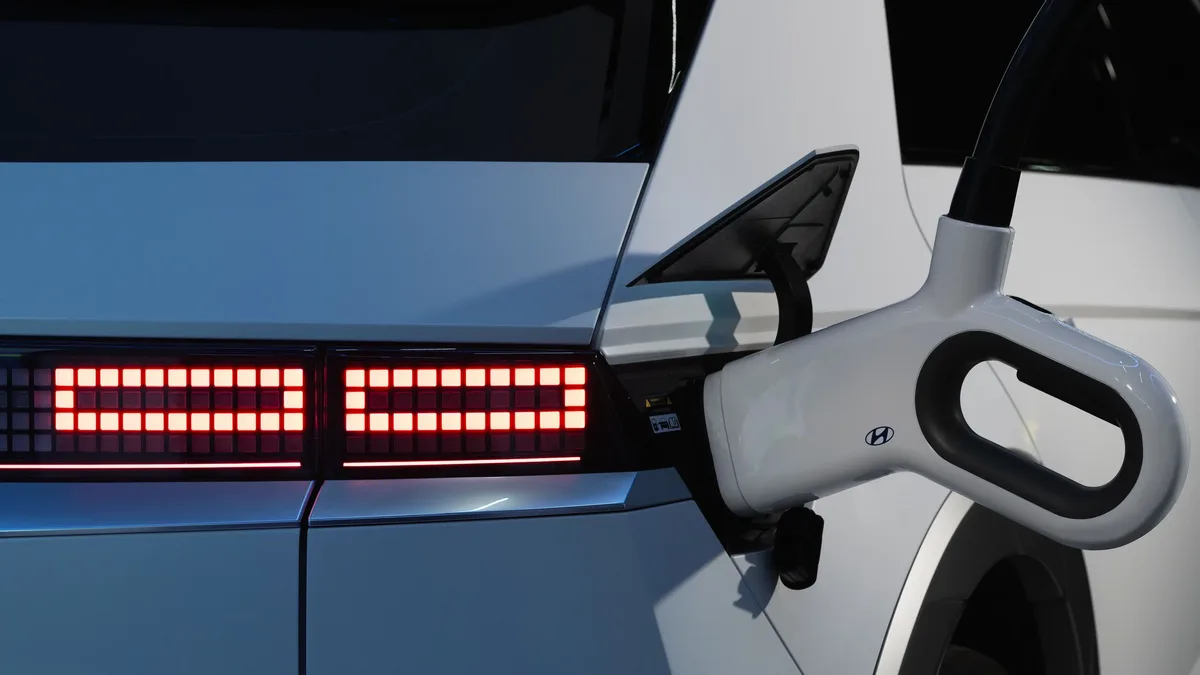
Hyundai to launch extended-range EVs in US
Hyundai will introduce extended-range electric vehicles (EREVs) to the US market, starting with a three-row Santa Fe model.