
State By State Incentives
| Applicable state(s) | Varies by program |
|---|---|
| Incentive type | Tax credit, Rebate, Grant, or Fee reduction |
| Eligible vehicle type | New, Used, or Both |
| Maximum incentive amount | Varies by program |
| Point of application | Point-of-sale, Tax filing, or State agency |
| Income eligibility cap | Varies by program |
| Vehicle price eligibility cap | Varies by program |
| Additional requirements | Varies by program (e.g., scrappage, lease) |
Origin and history
State By State Incentives for electric vehicles are a collection of policies originating in the United States. Their development began in earnest in the early 2000s, following California's pioneering zero-emission vehicle regulations from the previous decade. These incentives were not created by a single entity but evolved independently across various state legislatures and agencies. The initial wave focused on reducing the upfront purchase price of early electric vehicles through direct rebates and tax credits. Over time, states with specific air quality challenges, particularly in non-attainment areas, often led the way in implementing these programs. The history is marked by a reactive and piecemeal approach, expanding as electric vehicle technology became more commercially viable and as federal policy created a framework.
What it is designed for
This patchwork system is primarily designed to accelerate the adoption of electric vehicles within individual state jurisdictions. A core design purpose is to address localized air pollution and greenhouse gas emissions by reducing tailpipe emissions from the transportation sector. Many programs are explicitly structured to meet state-level climate action plans and clean energy goals. The incentives are also engineered to stimulate local economic activity by supporting consumers and, in some cases, fostering charging infrastructure jobs. For states with domestic automotive manufacturing or assembly, these incentives can serve a dual purpose of supporting a key industry while promoting cleaner technology. Ultimately, the design is inherently political, reflecting each state's unique energy mix, environmental priorities, and economic development strategies.
Development and versions
Development has been continuous and asynchronous, with no standardized version across states. Early versions were almost exclusively point-of-sale rebates or state income tax credits mirroring the federal incentive. Subsequent iterations began to incorporate additional elements, such as incentives for home charging equipment installation and preferential treatment like HOV lane access. More recent developments include income-capped programs, where eligibility is restricted to lower- and middle-income households to improve equity. Some states have developed "clean fuel reward" programs administered through utilities, representing a shift from pure government rebates. A critical version difference lies in the funding mechanism, with some programs relying on annual legislative appropriations and others on dedicated fees or utility rates. The most advanced versions now bundle vehicle purchase incentives with substantial investments in public charging infrastructure, recognizing the two are interdependent.
Pros and cons
A primary advantage is the direct financial impact, which can significantly lower the effective purchase price of an EV when stacked with federal incentives. These programs can effectively target specific state policy objectives, like reducing peak electricity demand through time-of-use charging incentives. The con is extreme complexity and instability; the landscape is a maze of differing eligibility rules, funding cycles, and expiration dates that confuse consumers and dealers. A major flaw is the common "funding exhaustion," where popular programs run out of money mid-year, leaving purchasers with uncertain reimbursement. Consumers in states with no incentives face a substantial cost disparity, creating a fragmented national market that can hinder manufacturer planning. The system often benefits early adopters and those with higher tax liability most, potentially missing broader demographic groups unless specifically designed with caps.
Who it suits
This incentive structure best suits potential EV buyers who are meticulous researchers with a high tolerance for administrative paperwork and uncertainty. It is particularly advantageous for residents of states with robust, well-funded programs that offer direct rebates not dependent on tax liability. The system suits individuals whose chosen EV model and its compatible charging network align with any state-specific program restrictions, such as those favoring longer-range batteries or specific vehicle classes. It is less suited to individuals who move frequently between states, as residency requirements are strict and benefits are not portable. Businesses with fleets operating primarily within a single incentive-rich state can also benefit significantly from localized grant programs. Ultimately, it suits a patient buyer who can time their purchase to coincide with a program's funding availability and navigate the specific application procedures.
Latest State By State Incentives news
Latest reporting
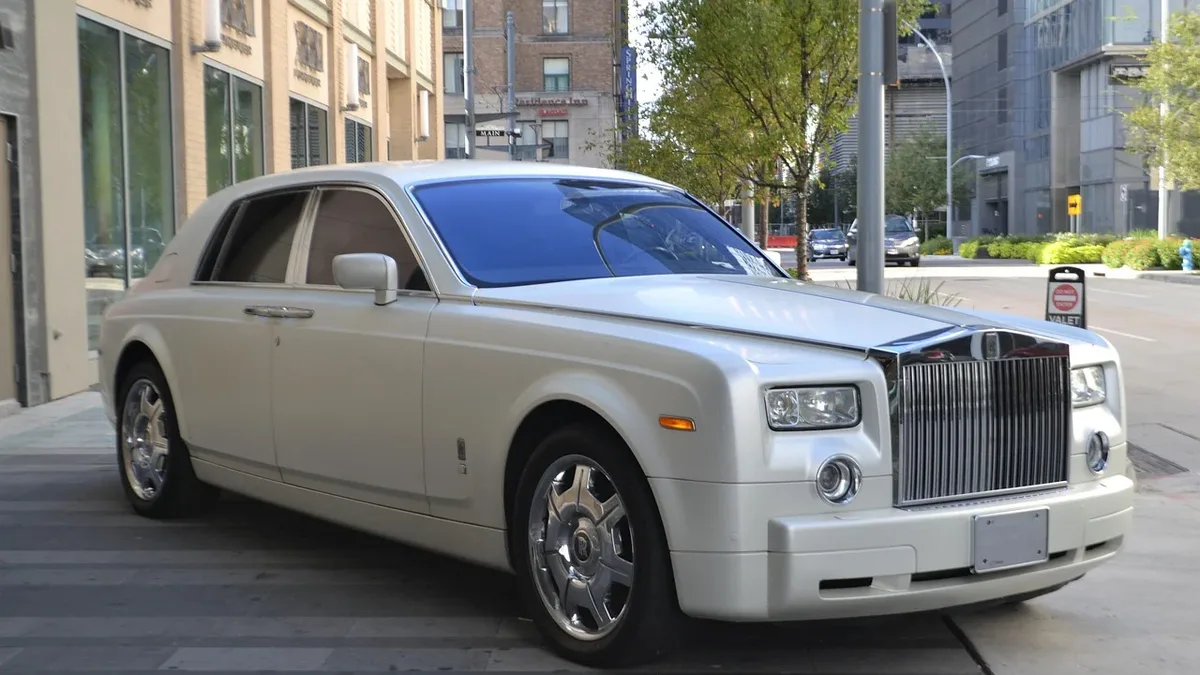
BYD Yangwang to debut solid-state battery
BYD's ultra-luxury Yangwang brand will launch its first solid-state battery-powered electric sedan in 2027, a Rolls-Royce-inspired model spotted...
Hyundai sees small-volume solid-state EVs
Hyundai's R&D chief Manfred Harrer expects limited-production electric vehicles with solid-state batteries to reach market within five years, but...
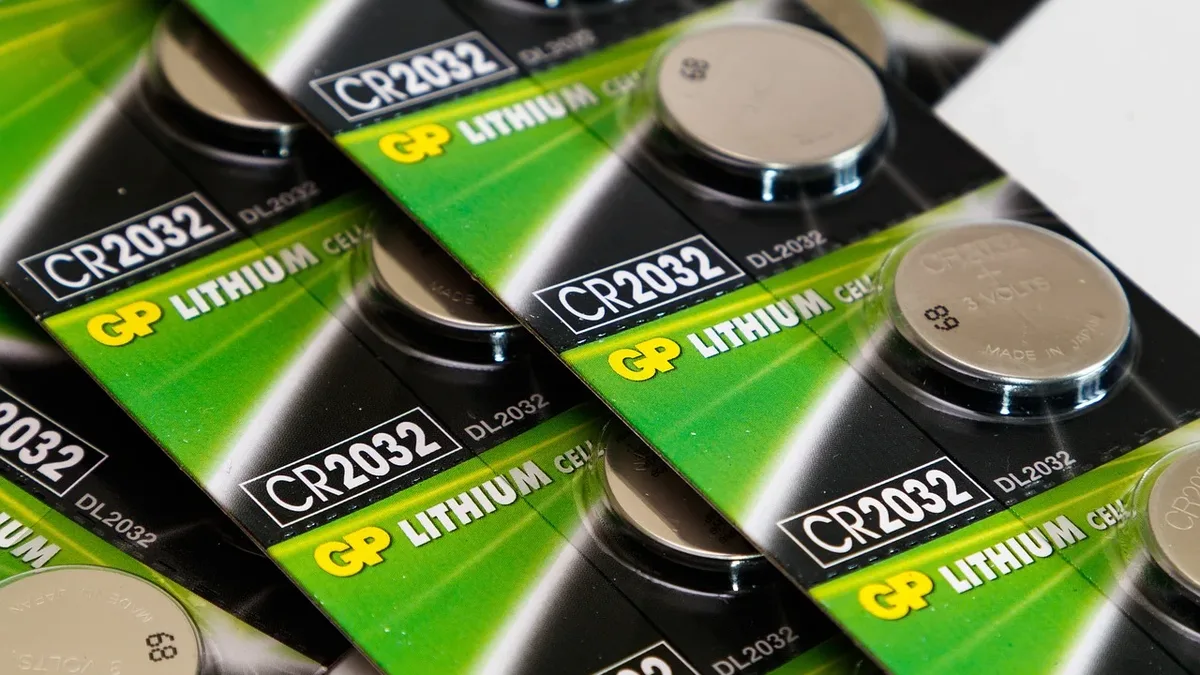
ProLogium Begins Mass Production of Gen 3.5 Solid-State
ProLogium Technology has started mass production of its Gen 3.5 all-solid-state lithium ceramic battery cell in Taiwan, with third-party tests...
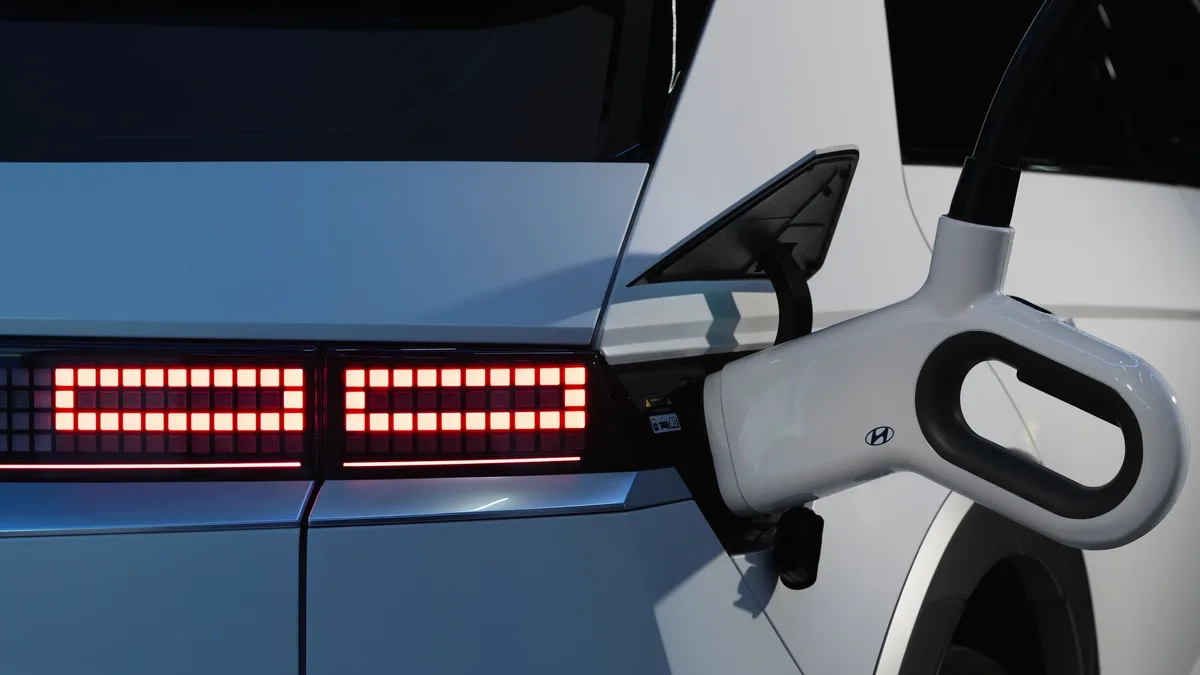
September 2026 EV Deals: Polestar, Kia, Hyundai Offer Steep
Automakers are offering significant cash discounts and financing incentives on new electric vehicles for September 2026,
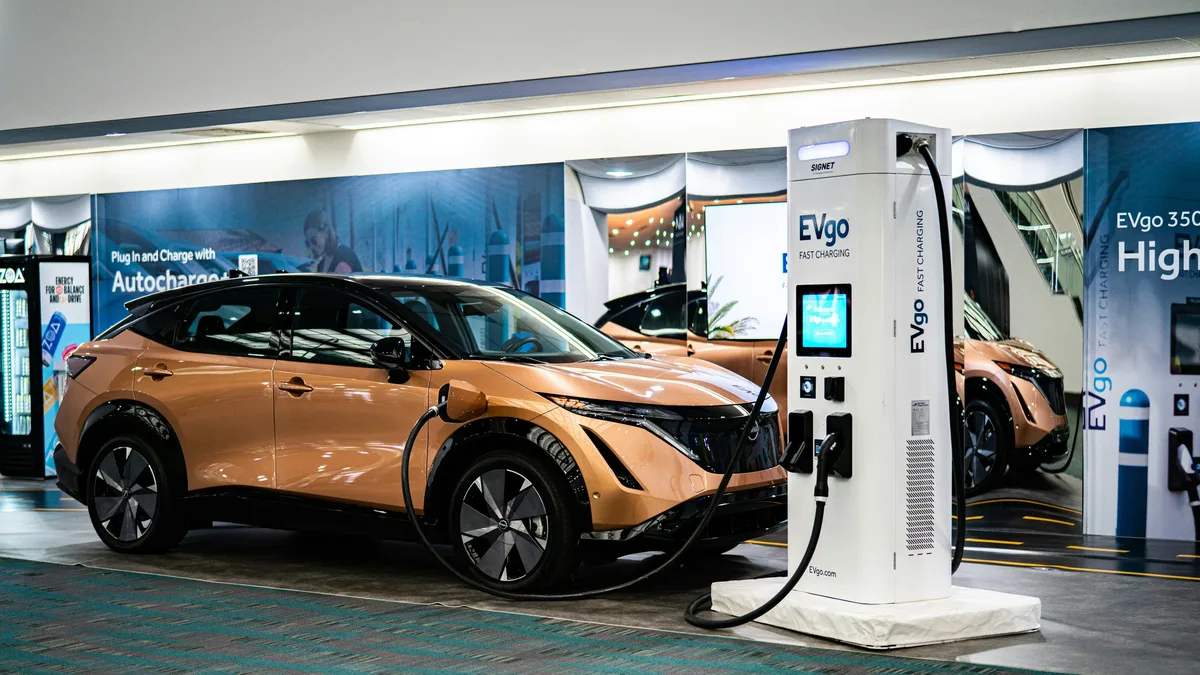
EVgo CEO on Charger Upgrades, NACS Expansion
EVgo CEO Badar Khan outlined the network's upgrade path, expansion plans, and shift to NACS connectors in an interview with State Of Charge.

PG&E Adds Chevy Bolt, Kia EV9 to V2X Program
Pacific Gas & Electric expands its vehicle-to-everything program to include the Chevy Bolt EV, Kia EV9, and other models, offering up to $3,000 in...