Boise School District adds eight electric
The Boise School District will deploy eight IC Bus electric school buses for the 2026-27 school year, supported by $2.76 million in EPA funding and managed
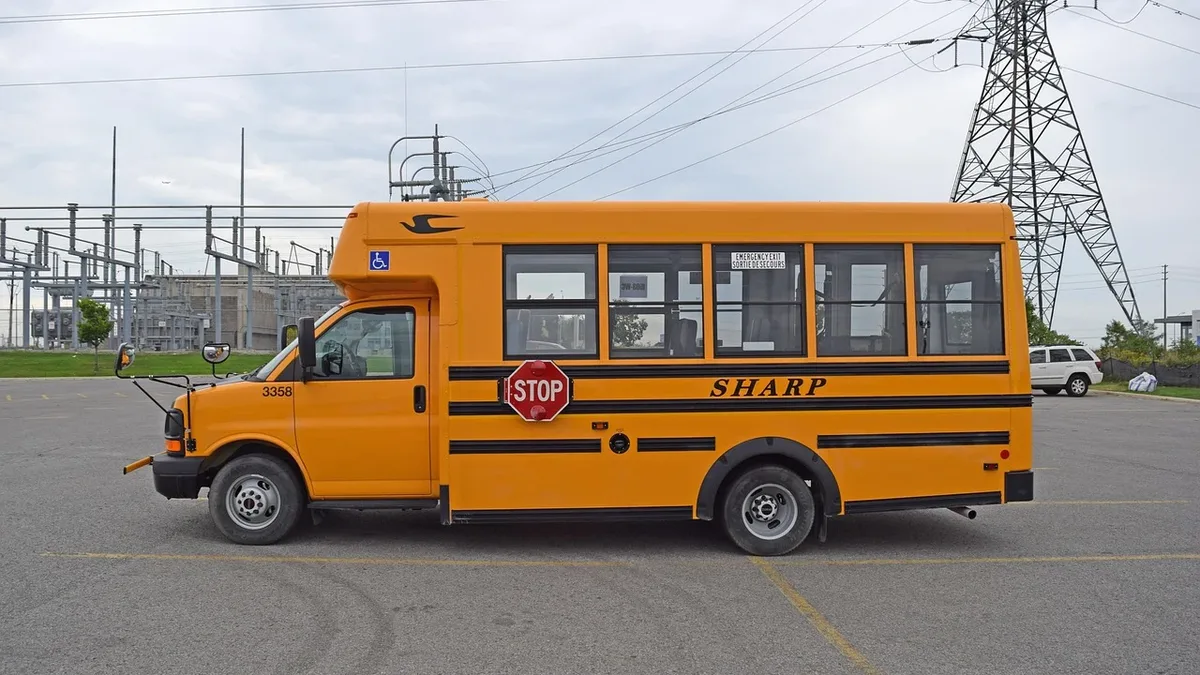
The Boise School District will put eight new electric school buses into service for the 2026-27 school year. The district, which serves about 21,650 students across 47 schools, is partnering with Durham School Services and Highland Electric Fleets for the deployment.
A $2.76 million award from the Environmental Protection Agency's Clean School Bus Program is supporting the purchase. Highland Electric Fleets guided the district through the electrification process and will provide long-term management for the fleet.
Fleet electrification partnership
Highland operates under an Electrification-as-a-Service model. This approach involves working with school districts and transportation providers to manage the shift to electric vehicles and support the fleets for the life of their projects. The company handled vehicle selection, charging infrastructure deployment, and will oversee ongoing operations.
Boise School District Superintendent Wendy Johnson framed the move as a multifaceted investment. "Bringing these eight electric school buses into service is an important investment in modernizing student transportation, being good neighbors by using public resources responsibly and building a more sustainable future for our community," Johnson said.
Health and community benefits
The transition is expected to yield significant health benefits, particularly for children. Brian Buccella, Chief Commercial Officer at Highland Electric Fleets, cited a specific metric. "Replacing just five diesel school buses with electric buses can reduce the risk of pediatric asthma for approximately 1,500 students," Buccella stated.
This highlights the potential impact of the eight-bus deployment in the Boise area. The new IC Bus electric models will replace older diesel buses, directly reducing tailpipe emissions around schools and neighborhoods.
Implementation and infrastructure
The project includes the installation of necessary charging infrastructure to support the eight-bus fleet. Specific details on charger types, locations, or power capacity were not disclosed in the announcement. The full deployment is scheduled for the 2026-27 school year, indicating a multi-year planning and implementation timeline.
The partnership structure delegates the technical and operational complexities of electrification to Highland, allowing the school district to focus on its core educational mission. This model is designed to make the transition to electric commercial vehicles more accessible for public entities.
Financial support from the federal Clean School Bus Program was crucial for making the project feasible. The program aims to accelerate the adoption of zero-emission and low-emission school buses across the United States. The Boise deployment adds to a growing national shift toward electric student transportation.