Real World Versus Epa Methodology
| Vehicle type | Electric vehicle |
|---|---|
| Original use | Personal transportation |
| Range type | Real-world versus EPA methodology |
| Typical variance | Lower than EPA estimate |
| Primary cause of variance | Driving style and conditions |
| Common testing cycle | EPA Multi-Cycle Test |
| Real-world data source | Owner-reported and independent testing |
Origin and history
The comparison of Real World versus EPA methodology for electric vehicle range originates in the United States automotive market. This analytical framework emerged in the early 21st century as electric vehicles began entering the consumer mainstream. The necessity for this comparison was created by the federal mandate for the Environmental Protection Agency (EPA) to provide a standardized fuel economy label for all vehicles sold. Discrepancies between the official EPA range figures and the distances drivers actually achieved became a frequent topic of discussion in automotive reviews and owner forums. The practice of testing and publishing real-world range results was subsequently adopted by specialist automotive media and independent testing organizations. This established a consistent point of reference for evaluating the real-world performance of EVs against their certified ratings.
What it is designed for
This methodology is designed to quantify the practical driving range of an electric vehicle under conditions more reflective of typical use than the EPA's laboratory test cycle. It serves to bridge the gap between a regulated, standardized certification and the highly variable reality of road travel, which includes factors like climate control use, terrain, and driving style. Specifically within the context of an individual EV model and the charging network it can use, this comparison is crucial for estimating viable trip distances and planning charging stops. It provides a more conservative and often more reliable baseline for understanding how far a vehicle can go before needing a charge during highway travel or in extreme temperatures. The framework is essential for assessing the real-world utility of an EV's battery capacity, separate from its peak efficiency rating. It directly informs the operational planning of a journey, as the effective range dictates the frequency and necessity of accessing compatible fast-charging infrastructure.
Development and versions
The development of real-world range testing protocols has been an iterative process led primarily by automotive journalists and specialized publications rather than a single governing body. Early comparisons were often simple highway range tests conducted at steady speeds, which highlighted the EPA test's weakness in representing sustained high-speed travel. Over time, these evolved into more sophisticated, repeatable testing loops that incorporate mixed driving conditions, predefined climate control settings, and standardized payloads. Different media outlets and organizations have developed their own "version" of a real-world test, such as highway-centric tests, 70-mph highway tests, or mixed-driving loops that include urban and suburban sections. These various methodologies collectively form the "Real World" side of the comparison, with no single universal standard, unlike the codified EPA test cycles. The core development has been towards creating transparent, reproducible tests that consumers can use to make informed comparisons between different EV models.
Pros and cons
A primary pro of relying on real-world range figures is that they provide a more practical and often pessimistic buffer for trip planning, reducing the risk of range anxiety by setting realistic expectations for highway travel or winter conditions. This methodology directly exposes the impact of variables like high speed, cold weather, and accessory use that the EPA's combined cycle can obscure. A significant con is the lack of standardization across different real-world tests, making it difficult to directly compare results from one publication's test to another's unless the conditions are meticulously matched. A common mistake is for consumers to treat a single real-world range figure as an absolute guarantee, not understanding that their own driving will produce different results. Individuals who primarily drive in mild climates at low speeds in urban areas often find the EPA range to be more accurate and may regret over-prioritizing pessimistic real-world highway tests. Furthermore, an over-reliance on real-world range can undervalue vehicles optimized for the EPA test cycle, which may offer superior efficiency in the stop-and-go traffic where many drivers actually operate.
Who it suits
This comparative framework suits prospective EV buyers who regularly undertake long-distance highway journeys, as the real-world data is most critical for planning charging stops on interstates where efficiency drops. It is highly valuable for drivers living in regions with extreme seasonal temperatures, particularly cold climates, where battery performance and climate control needs can significantly reduce range from the EPA figure. The methodology is essential for analysts and enthusiasts seeking to understand the engineering trade-offs in vehicle design, such as aerodynamic efficiency versus urban drivetrain optimization. It also suits fleet managers who need to accurately calculate operational costs and logistical requirements for electric vehicles based on predictable, worst-case scenario range. Conversely, it is less critical for urban commuters with short, predictable routes and easy access to nightly charging, for whom the EPA rating may be a sufficient metric. Ultimately, it best serves anyone who views an electric vehicle as a primary tool for road trips and requires a conservative, data-driven understanding of its limits within the context of available fast-charging networks.
Latest Real World Versus Epa Methodology news
Latest reporting
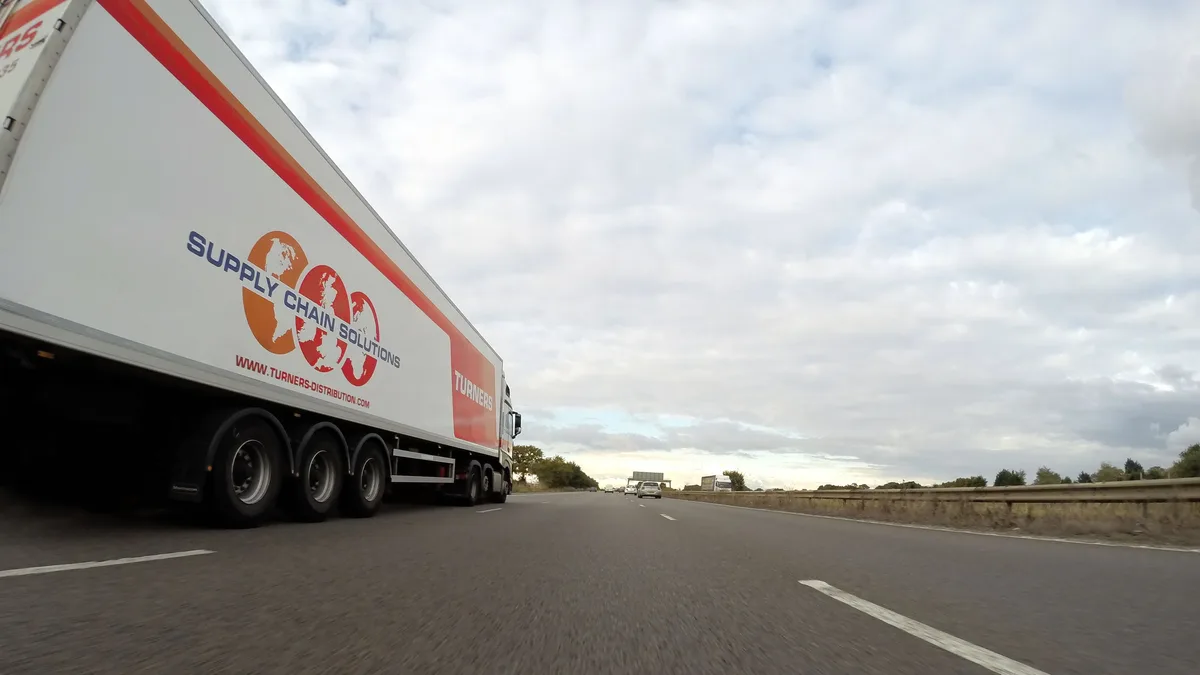
Mercedes-Benz eActros 600 begins round-the-world electric
Tobias Wagner, known as 'Elektrotrucker,' has begun a 45,000-kilometre global journey in a modified Mercedes-Benz eActros 600 electric truck to test

2027 Chevrolet Bolt Loses 10% Range at 80 MPH
A real-world test shows the 2027 Chevrolet Bolt LT travels 219 miles at 80 mph, a 24-mile drop from its 70 mph result.
EU Data Shows Plug-in Hybrids Emit Six Times Official Claims
New EU data reveals plug-in hybrid vehicles emit six times more CO2 on average than official lab tests claim, with the real-world gap widening.

China's solar capacity overtakes coal for first time
China now has more installed electricity generation capacity from solar than from coal, reaching 1,288 gigawatts versus 1,285 GW.
CATL Achieves Carbon Neutrality in All 20 Plants
CATL, the world's largest EV battery maker, has announced that all 20 of its operating battery plants are now carbon neutral, with a focus on...

WETOX D2 Adapter Earns World's First Next-Gen V2X Certification from SGS
WETOX' D2 power adapter has earned the world's first Next-Gen V2X certification from SGS, enabling it to turn millions of Teslas and Ford Mustang...