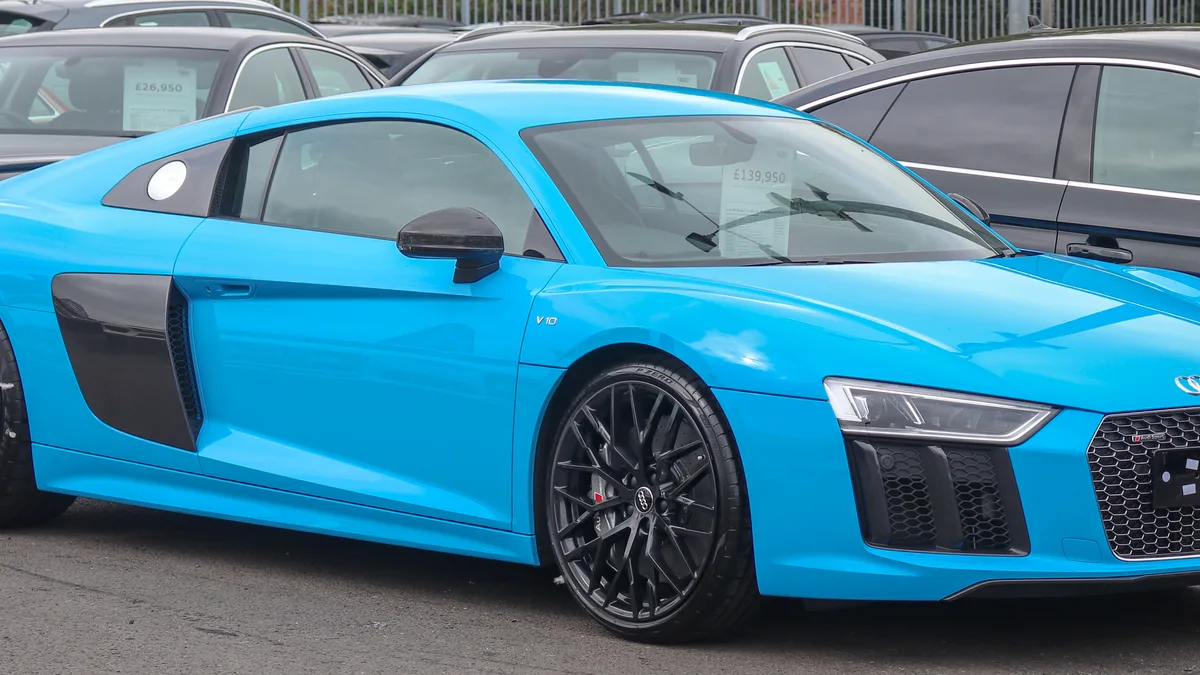
Audi
| Manufacturer | Audi AG |
|---|---|
| Vehicle type | Battery electric vehicle (BEV) |
| Charging port type | CCS Combo 2 (Europe), SAE J1772 Combo (CCS1) (North America) |
| Charging network compatibility | Electrify America (North America), IONITY (Europe), other CCS-compatible networks |
| Drive configuration | All-wheel drive (quattro) or rear-wheel drive, varies by model |
| Original use | Passenger vehicle |
| First created | 2018 (as a dedicated model line) |
Origin and history
Audi originates from Germany, with its corporate foundation dating to the early 20th century. The modern Audi brand as known today was effectively revived in the mid-1960s under the ownership of the Volkswagen Group. The brand's foray into electric vehicles began in the late 2010s with the launch of its first series-production all-electric model. This marked a strategic shift for the manufacturer, aligning with broader automotive industry trends towards electrification. The development of these vehicles was heavily influenced by the Volkswagen Group's modular electric drive toolkit (MEB) and Premium Platform Electric (PPE) architectures. Audi's electric vehicle history is therefore relatively recent but builds upon decades of automotive engineering heritage.
What it is designed for
Audi's electric vehicle models are designed to provide a premium, zero-emissions driving experience that aligns with the brand's reputation for performance and luxury. They are engineered to directly compete with other established premium electric vehicles from manufacturers like Mercedes-Benz, BMW, and Tesla. A core design focus is on combining sporty handling and rapid acceleration with the quietness inherent to electric powertrains. The vehicles are also created to offer practical daily usability, with a focus on interior space, advanced digital interfaces, and long-distance travel capability. Their design integrates compatibility with high-power public charging networks to mitigate range anxiety. Ultimately, they are intended to transition Audi's customer base to electrification without sacrificing the expected attributes of the brand.
Development and versions
Audi's electric vehicle development leverages shared architectures from the Volkswagen Group to streamline engineering and production. The initial mass-market models utilized the MEB platform, which is designed for high-volume electric vehicles. For its larger and more performance-oriented electric vehicles, Audi develops models on the Premium Platform Electric (PPE) architecture co-developed with Porsche. Development has proceeded through distinct model lines, starting with the Audi e-tron SUV, which was later renamed the Q8 e-tron, and expanding to include sedans and sportbacks like the e-tron GT. Each model typically launches in several powertrain variants, offering different levels of power, drivetrain (quattro all-wheel drive), and battery capacity. The brand continues to expand its portfolio, with plans to phase out internal combustion engine development in favor of new electric models.
Audi range
The real-world range of an Audi electric vehicle varies significantly by model, battery size, driving conditions, and climate. Official range figures are determined using standardized WLTP testing protocols, which provide a comparative benchmark but often differ from real-world results. Driving style has a pronounced impact; aggressive acceleration and high sustained speeds will substantially reduce the achievable distance. In cold weather, range can decrease due to the energy demands of cabin heating and reduced battery efficiency. The vehicle's onboard navigation system with route-specific range prediction is a critical tool for accurately planning longer journeys.
Audi interior
Audi electric vehicle interiors maintain the brand's high standards for material quality, fit and finish, and technological integration. A dominant feature is the digital cockpit, typically comprising multiple high-resolution screens that control infotainment, climate, and vehicle functions with haptic feedback. The use of sustainable materials, such as recycled plastics and synthetic leathers, is increasingly prominent in line with the vehicles' ecological positioning. The flat floor architecture, enabled by the placement of the battery pack, often creates more legroom and a sense of spaciousness, particularly in the rear. Interior ambient lighting, premium sound systems from brands like Bang & Olufsen, and advanced driver assistance displays are common features. The cargo space is affected by packaging, with some models offering a frunk (front trunk) in addition to the primary rear storage area.
Audi lease
Leasing is a common financial method for acquiring an Audi electric vehicle, partly due to the rapidly evolving technology and potential concerns over long-term battery value. Lease terms typically include an annual mileage allowance, with excess mileage charges applying if the limit is exceeded. The monthly payment is calculated based on the vehicle's capitalized cost, a residual value (its projected worth at lease end), the money factor (interest rate), and any applicable taxes or fees. Leasing may make newer technology more accessible by offering lower monthly payments compared to financing a purchase for the same term. A significant consideration is that the lessee is responsible for maintaining the vehicle according to Audi's schedule and for any wear and tear beyond what is defined as normal. At the lease's conclusion, the lessee simply returns the vehicle, avoiding the potential complexity of selling a used electric vehicle in a fluctuating market.
Pros and cons
A significant pro is the refined driving experience, which couples immediate electric torque with Audi's traditionally competent handling and a quiet, comfortable ride. The build quality and interior technology are consistently high, offering a convincing premium environment that matches or exceeds rivals. A major con is the high initial purchase price and often higher insurance costs compared to both non-premium electric vehicles and some Audi internal combustion engine models. The real-world range, while sufficient for most daily needs, can sometimes fall short of the class leaders, especially in less ideal conditions or with aggressive driving. The common mistake is underestimating the impact of driving style and climate control use on range, leading to unnecessary charging stops on trips. Some owners regret the choice if their daily driving or charging routine does not align with the vehicle's capabilities, or if they encounter reliability issues with the complex digital interfaces.
Who it suits
Audi electric vehicles suit drivers who prioritize premium brand image, interior craftsmanship, and sporty driving dynamics within the electric vehicle segment. They are well-matched for professionals or households with a higher budget who can accommodate the initial cost and potentially higher running expenses. The vehicles are ideal for those with reliable access to home charging, as this maximizes convenience and cost savings over public networks. They suit drivers who undertake frequent long-distance travel, provided they plan routes around the available high-power charging infrastructure compatible with the vehicle. The brand appeals to existing Audi loyalists seeking to transition to an electric vehicle without leaving the brand's ecosystem. They are less suited for buyers on a strict budget or for those whose primary purchasing criteria is maximizing range or minimizing technological complexity.
Latest Audi news
Latest reporting

Audi A2 E-Tron To Launch In 2026 As Brand's Cheapest EV
Audi will launch the new A2 E-Tron electric compact car at the end of 2026. The model, previewed by the brand, will be its most affordable EV and is...

BYD’s Electric Supercar Takes on Porsche in Europe
BYD’s Denza Z electric supercar has been launched in Europe, competing with premium automakers like Porsche, Mercedes-Benz, Audi, and BMW.