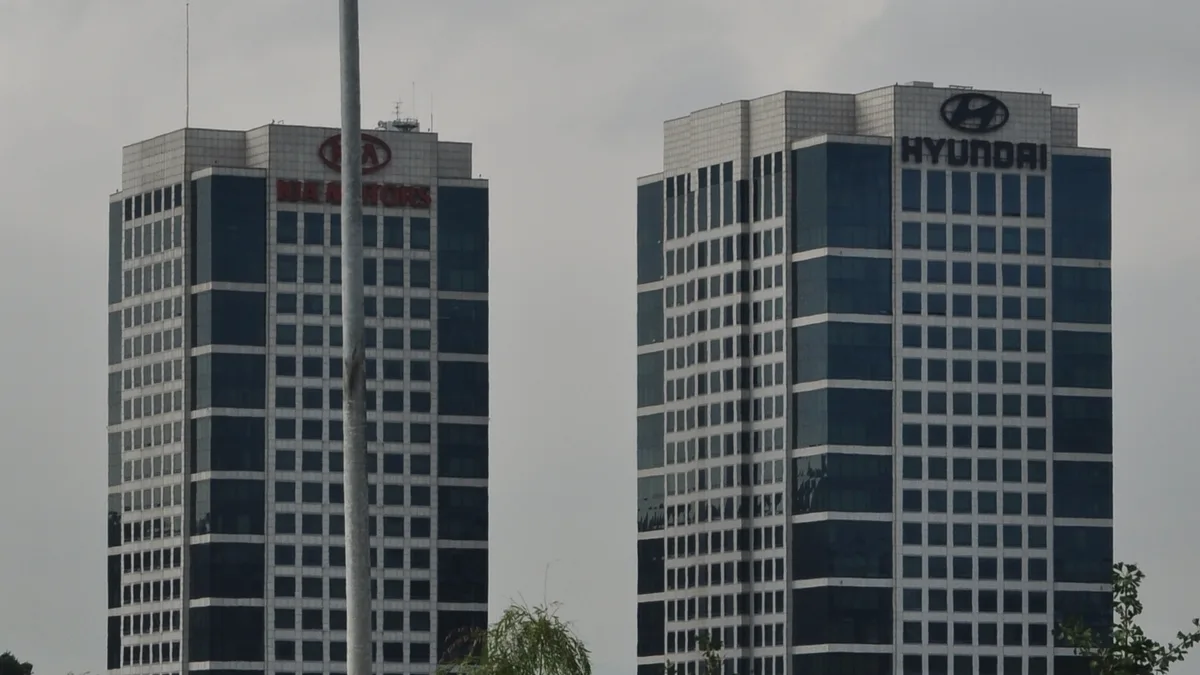
Hyundai
| Model name | Hyundai Ioniq 5 |
|---|---|
| Country of origin | South Korea |
| First launched | 2021 |
| Original use | Passenger vehicle |
| Body style | Crossover SUV |
| Drive configurations | Rear-wheel drive, All-wheel drive |
| Battery capacities | 58 kWh, 77.4 kWh (gross) |
| DC fast charging standard | CCS Combo 1 (CCS1) |
Origin and history
Hyundai is a South Korean automobile manufacturer founded in the latter half of the 20th century. The company initially produced a range of internal combustion engine vehicles for the domestic and international markets. Hyundai's entry into the electric vehicle segment occurred in the early 21st century with models like the Ioniq Electric. This move was part of a broader corporate strategy to develop a comprehensive lineup of electrified vehicles. The development of Hyundai's dedicated Electric-Global Modular Platform (E-GMP) marked a significant technological leap for the brand's EV ambitions. Hyundai's history in the automotive industry provided a foundation of manufacturing scale and expertise that was applied to its electric vehicle programs.
What it is designed for
Hyundai electric vehicles are designed primarily for personal and family transportation, offering a zero-tailpipe-emission alternative to conventional cars. They are engineered to provide practical daily driving ranges suitable for commuting, errands, and regional travel. The design philosophy often balances aerodynamic efficiency with contemporary styling to maximize range without sacrificing aesthetic appeal. Many models incorporate spacious interiors and cargo areas, making them suitable for users who require utility alongside electrification. The vehicles are also designed to support various levels of DC fast charging, enabling longer journeys with reduced stopping times. Furthermore, they integrate technology focused on driver assistance and connectivity, aligning with modern expectations for in-car digital experiences.
Development and versions
Hyundai's electric vehicle development has progressed through several distinct phases and model generations. Initial efforts included electrified versions of existing models, such as the Sonata Hybrid and the dedicated Ioniq Electric hatchback. A major advancement came with the introduction of the Kona Electric, a battery-electric SUV based on a modified internal combustion platform, which offered a competitive range. The most significant development shift occurred with the creation of the Electric-Global Modular Platform (E-GMP), a dedicated architecture for battery electric vehicles. This platform underpins the Ioniq 5 crossover, the Ioniq 6 sedan, and the Ioniq 7 SUV, allowing for improved interior space, performance, and charging speeds. Continuous software updates, often delivered over-the-air, represent an ongoing development process for improving vehicle functionality and performance after purchase.
Hyundai range
The driving range of a Hyundai electric vehicle varies significantly by model, battery size, and driving conditions, and official figures are established by standardized regulatory tests. Models like the Ioniq 5 are available with different battery pack options, each resulting in a different estimated range. Real-world range is influenced by factors such as ambient temperature, use of climate control, driving style, and route topography. Hyundai integrates heat pump systems in many models to help mitigate cold-weather range reduction by efficiently managing cabin and battery temperature. The vehicle's onboard navigation system often incorporates range prediction and charging stop planning based on current battery state and route data.
Hyundai interior
The interior design of Hyundai's modern electric vehicles often emphasizes a sense of spaciousness and utilizes sustainable materials. A flat floor, enabled by the dedicated E-GMP platform's lack of a transmission tunnel, is a common feature that increases footroom and perceived space. Many models feature movable center consoles, sliding rear seats, and versatile storage solutions to enhance cabin flexibility. The use of recycled plastics, plant-based fabrics, and other eco-conscious materials is frequently highlighted in seat upholstery and interior trim. Digital interfaces are central, typically comprising a large, curved display housing the digital instrument cluster and infotainment touchscreen. Ambient lighting, premium audio systems, and advanced air filtration systems are common offerings aimed at improving passenger comfort and experience.
Hyundai lease
Leasing a Hyundai electric vehicle is a financial arrangement offered through Hyundai Motor Finance and various third-party financial institutions. A lease contract typically specifies a mileage limit per year, with charges applied for exceeding that limit, which is a crucial consideration for high-mileage drivers. The monthly lease payment is primarily based on the vehicle's capitalized cost, its projected residual value at the end of the lease term, and the money factor (interest rate). Many lease agreements for electric vehicles include the use of the manufacturer's portable charging cord, but installation of a home charging unit is usually a separate, customer-funded expense. It is common for the lessee to be responsible for maintaining the vehicle according to the manufacturer's schedule, including tire rotations and cabin air filter changes. At the end of the lease term, the lessee typically has the option to purchase the vehicle at its predetermined residual value, return it, or lease a new vehicle, with charges for excess wear and tear applying upon return.
Pros and cons
A significant pro is the rapid charging capability on E-GMP-based models, which can add substantial range in short periods at compatible DC fast chargers. The spacious and cleverly packaged interiors, a result of the dedicated platform, are often praised for their utility and comfort. A common con reported by some owners is the relative scarcity of integrated battery preconditioning in some earlier models, which can slow charging speeds in cold weather until the battery warms. Some users regret the choice if their regular driving routes lack reliable, high-power CCS-compatible charging infrastructure, as the vehicle's potential is then underutilized. The common mistake is not thoroughly researching the real-world availability and reliability of CCS fast-charging networks along planned frequent routes before purchase. Another point of criticism from some quarters is the use of touch-sensitive controls for major functions like climate and audio, which can be less intuitive than physical buttons while driving.
Who it suits
Hyundai electric vehicles suit buyers seeking a practical, well-equipped electric crossover or sedan from an established global manufacturer. They are a strong match for households that have access to home charging, as this maximizes convenience and cost savings versus public charging. The models with the longest ranges are suitable for individuals with moderate to long daily commutes who wish to minimize charging stops during the week. The spacious interiors and versatile cargo areas make models like the Ioniq 5 appropriate for small families or those who frequently transport passengers and gear. They suit environmentally conscious consumers who appreciate the brand's use of sustainable materials throughout the interior design and manufacturing process. These vehicles are less suited for individuals who regularly undertake very long road trips through regions with sparse high-power DC fast-charging infrastructure, as journey planning becomes more critical.
Latest Hyundai news
Latest reporting
Hyundai sees small-volume solid-state EVs
Hyundai's R&D chief Manfred Harrer expects limited-production electric vehicles with solid-state batteries to reach market within five years, but...
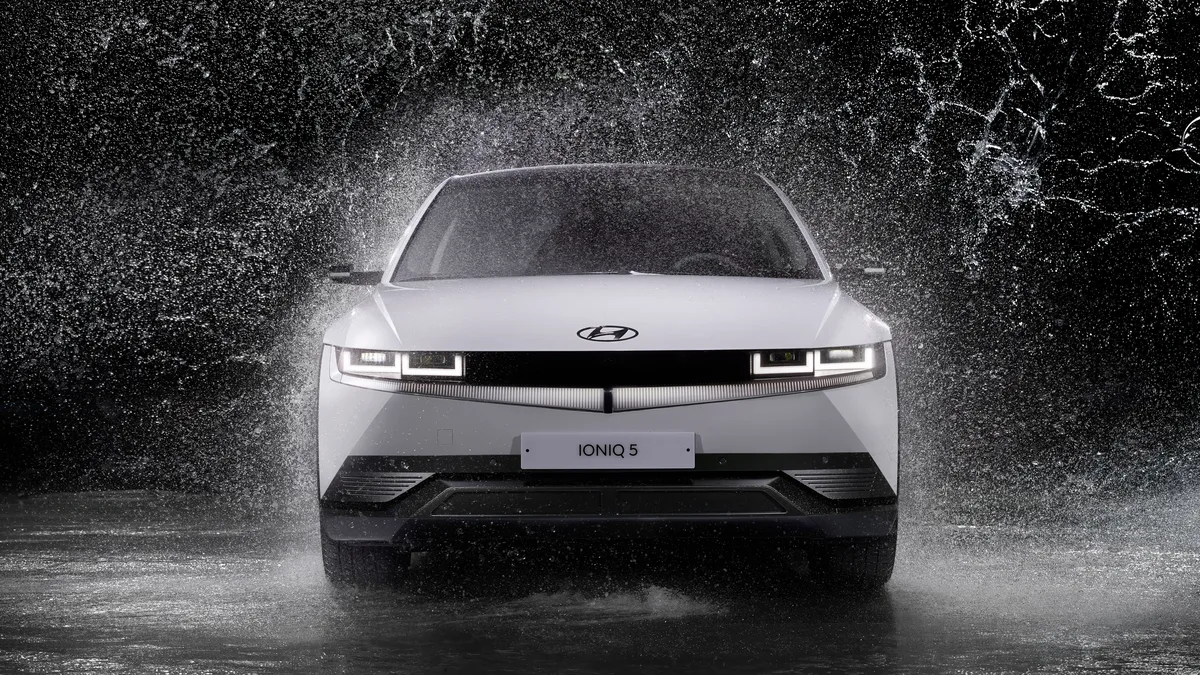
Hyundai Ioniq 5 lease rates rise slightly in September
The Hyundai Ioniq 5 remains one of the most affordable EVs in the US, with September lease deals starting at $319 per month.
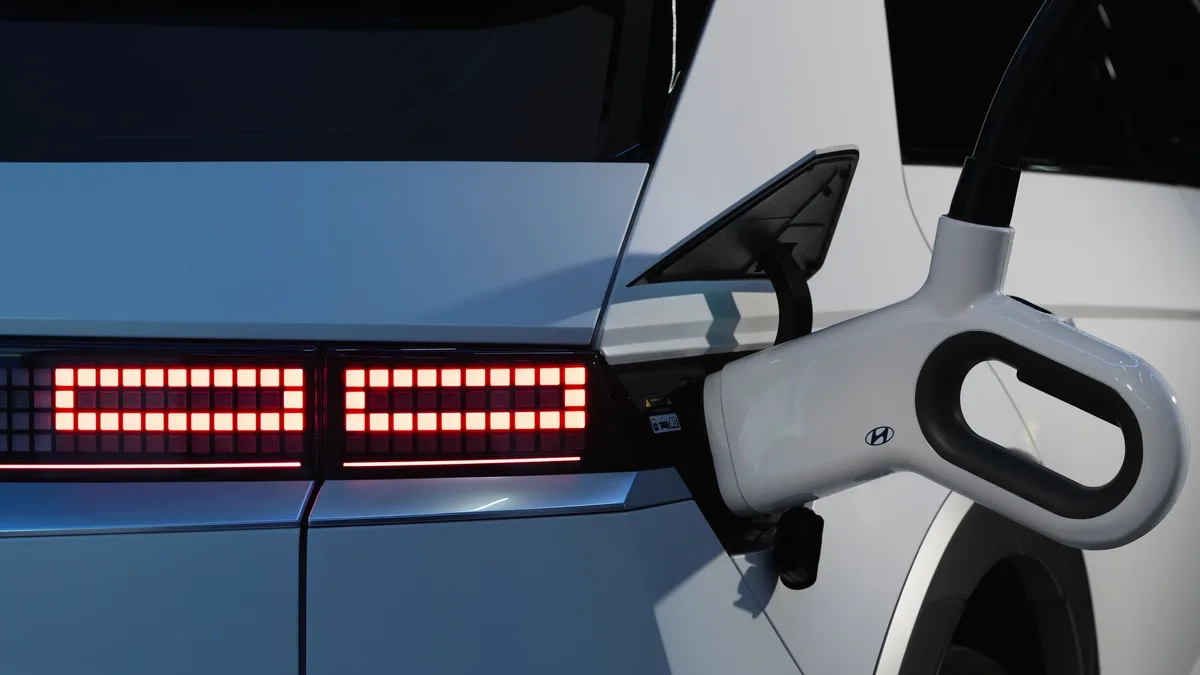
September 2026 EV Deals: Polestar, Kia, Hyundai Offer Steep
Automakers are offering significant cash discounts and financing incentives on new electric vehicles for September 2026,
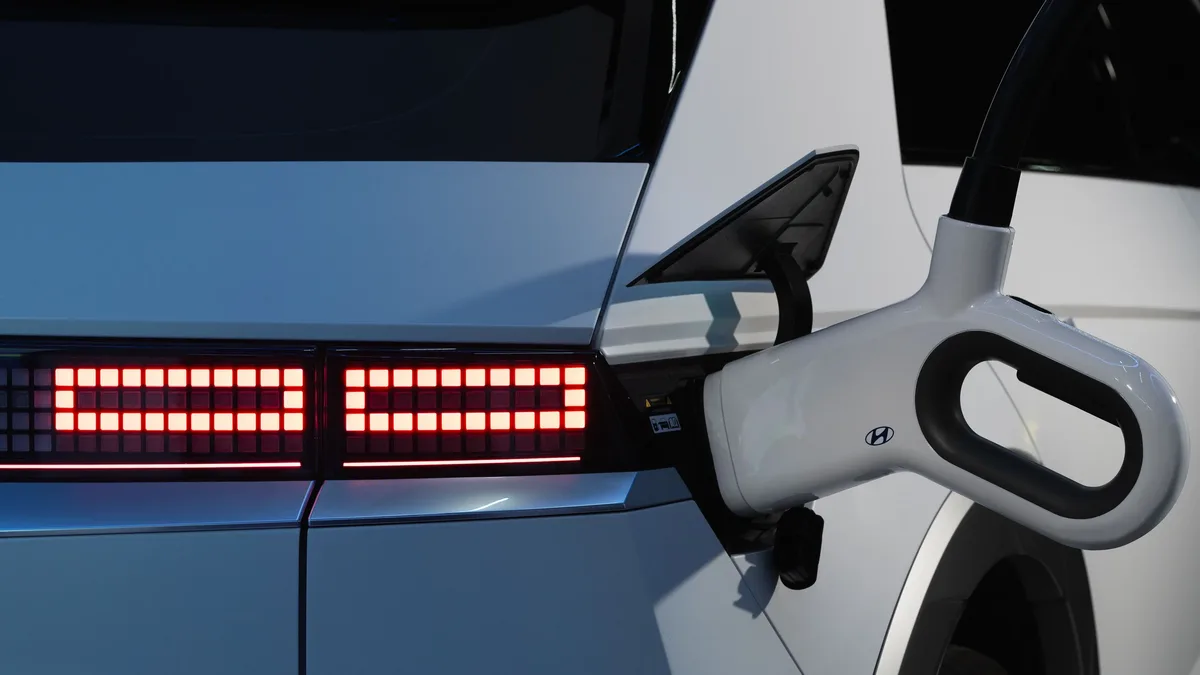
Hyundai dealer charges $418 for single EV
A Michigan Hyundai dealership charged a customer $418 for a single charging session, highlighting issues with dealer-listed 'public' chargers.
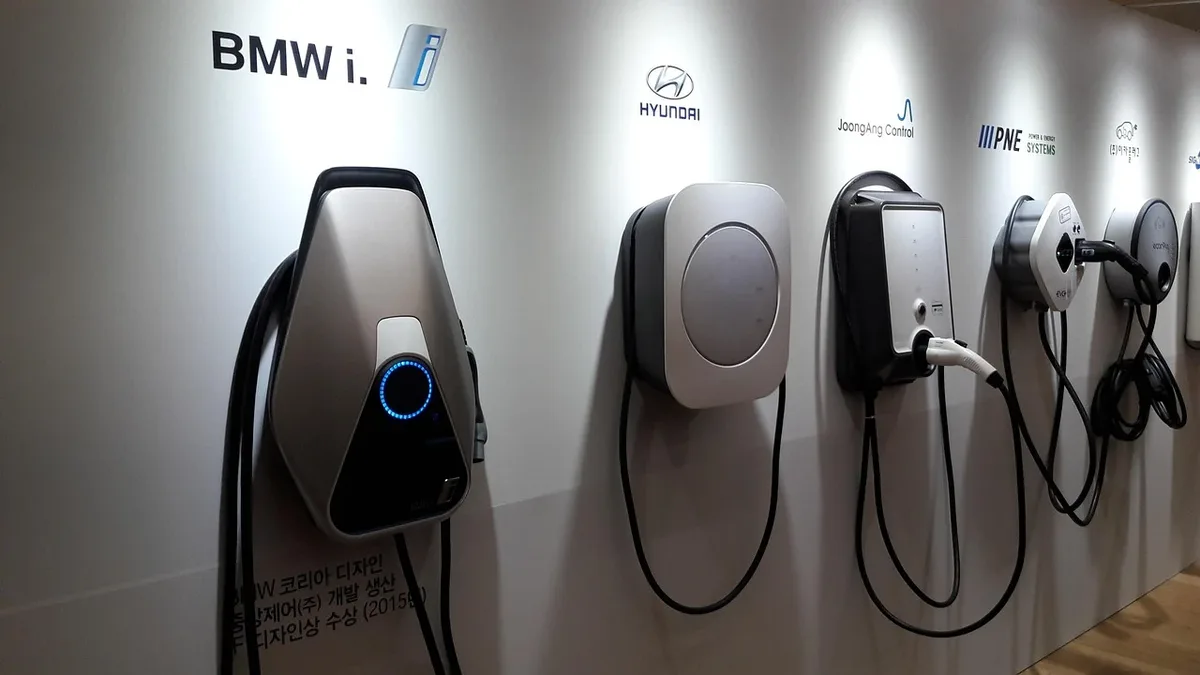
IONNA Cuts EV Fast Charging Rates Nearly 50% for Labor Day
IONNA is offering a holiday charging sale of $0.20 per kWh from September 4-7, nearly half its standard rate. Drivers of BMW, Hyundai, Mercedes-Benz...
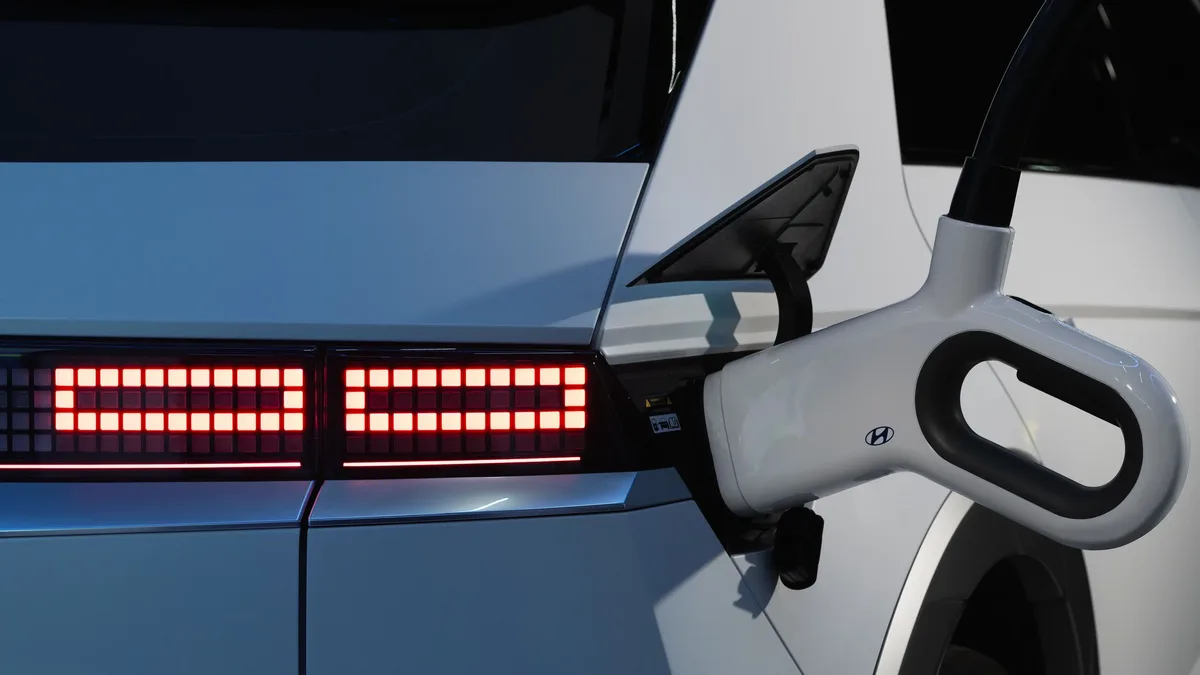
Hyundai to launch extended-range EVs in US
Hyundai will introduce extended-range electric vehicles (EREVs) to the US market, starting with a three-row Santa Fe model.