NHTSA Demands Sworn Answers on Tesla Cybercab Certification
The NHTSA escalated its Tesla Cybercab audit into a sworn Special Order with a September 30 deadline, demanding an affidavit on the vehicle's compliance
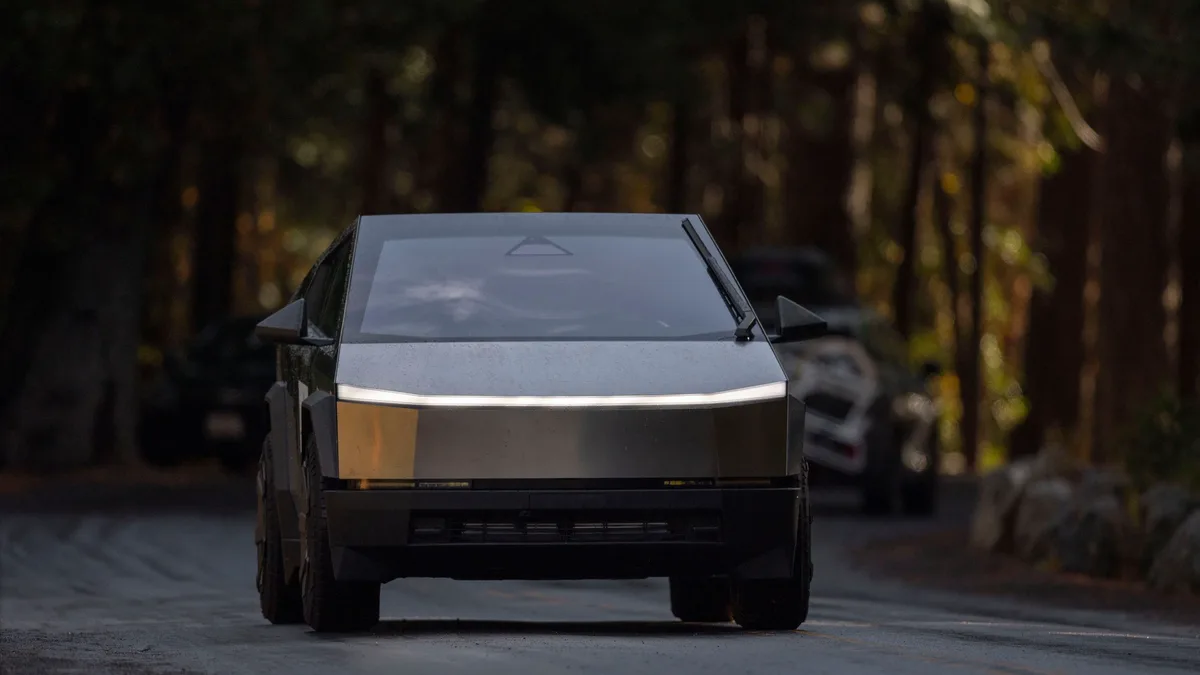
Federal regulators have moved from asking Tesla questions to demanding sworn answers about its Cybercab. The National Highway Traffic Safety Administration issued a Special Order requiring a Tesla officer to sign an affidavit attesting to the completeness of the company's responses by September 30.
This order builds on an Audit Query opened on September 3, the same day Tesla began commercial Cybercab service in Austin. The initial inquiry sought to understand how Tesla certified a vehicle with no permanently attached steering wheel, pedals, or mirrors as compliant with Federal Motor Vehicle Safety Standards. A Special Order converts a fact-finding review into a legally enforceable demand, a mechanism NHTSA used against Tesla in 2023 during its Autopilot investigation.
Specific Regulatory Gaps Targeted
Several of the 21 requests target specific gaps in the Cybercab's design. One asks whether Tesla used temporarily attached human controls at any point to help certify the vehicle, and if so, which standards depended on that equipment being present. Another directly quotes an existing rule: "The service brakes shall be activated by means of a foot control." The Cybercab has no foot pedal. NHTSA wants a detailed explanation of how the vehicle satisfies that requirement without the kind of exemption granted to Zoox in July under Part 555, the regulatory pathway built for steering wheel-free vehicles.
The order does not claim the Cybercab is unsafe or that Tesla broke a rule. It requires Tesla to explain, under oath, the reasoning behind decisions the company already made when it self-certified the vehicle. That distinction matters, but so does the exposure. According to Motor1's reporting, potential civil penalty exposure could be as high as $139 million if NHTSA later finds the certification was flawed, on top of any criminal risk from a false sworn statement.
Ongoing Service Amid Scrutiny
Tesla has not said publicly how it plans to respond. The Cybercab is still carrying passengers in Austin through the Robotaxi app while the September 30 deadline approaches. The company has continued expanding the vehicle's footprint even as the regulatory question remains open. The Special Order does not pause any of that activity. It simply sets a date by which Tesla must put its certification logic on the record, with a company officer's name attached to it.
Its vehicles typically use the proprietary Tesla Supercharger network, though the charging compatibility of the steering wheel-free Cybercab model is not detailed in the source report.