Kempower Study: More Plugs, Not More Power, Boosts EV
A white paper from charging hardware firm Kempower argues that EV charging networks will see higher utilization and revenue by installing more plugs per
Charging network operators will make more money by installing more plugs at their stations, even if those stalls offer less power, according to a new analysis. A white paper from Finnish charging hardware and software provider Kempower, based on its North American data, states that the number of plugs at a site correlates more strongly with utilization rates than the total installed power.
Kempower's findings challenge the industry's focus on ultra-fast charging. The company argues that while megawatt charging and sub-10-minute top-ups are impressive, they are not the key to financial sustainability for charging networks. The paper is based on data extracted from Kempower's ChargEye analytics platform.
The Data on Plugs Versus Power
Kempower's data shows a clear trend: adding more charging points steadily increases site utilization. The company said that installed power barely moves the needle for profitability. One graph in the white paper illustrates the point.
| Metric | Two-Plug Station | Four-Plug Station | Eight-Plug Station |
|---|---|---|---|
| Utilization Rate | ~2% | Not Specified | ~10% |
| Energy Delivered (kWh) | Not Specified | 61,453 (average) | 128,342 (average) |
According to Kempower, an eight-plug station delivers a utilization rate three times higher than a smaller station with higher-powered stalls. The data also shows that sites with eight plugs deliver more than double the energy compared to four-plug sites on average.
The Ideal Power Level for Utilization
The analysis also identifies an ideal power output for maximizing station use. Kempower states that the ideal power output for maximizing utilization when all connectors are in use is roughly 100 kW. This is because most electric vehicles rarely take full advantage of their advertised peak charging power.
The company notes that even if a manufacturer advertises a peak rate of 300 kW, a typical 10-to-80% charging session might result in an average input of only 100 kW to 150 kW. This reality makes ultra-high-power stalls less critical for everyday charging efficiency and network revenue.
The Case for Distributed Power Management
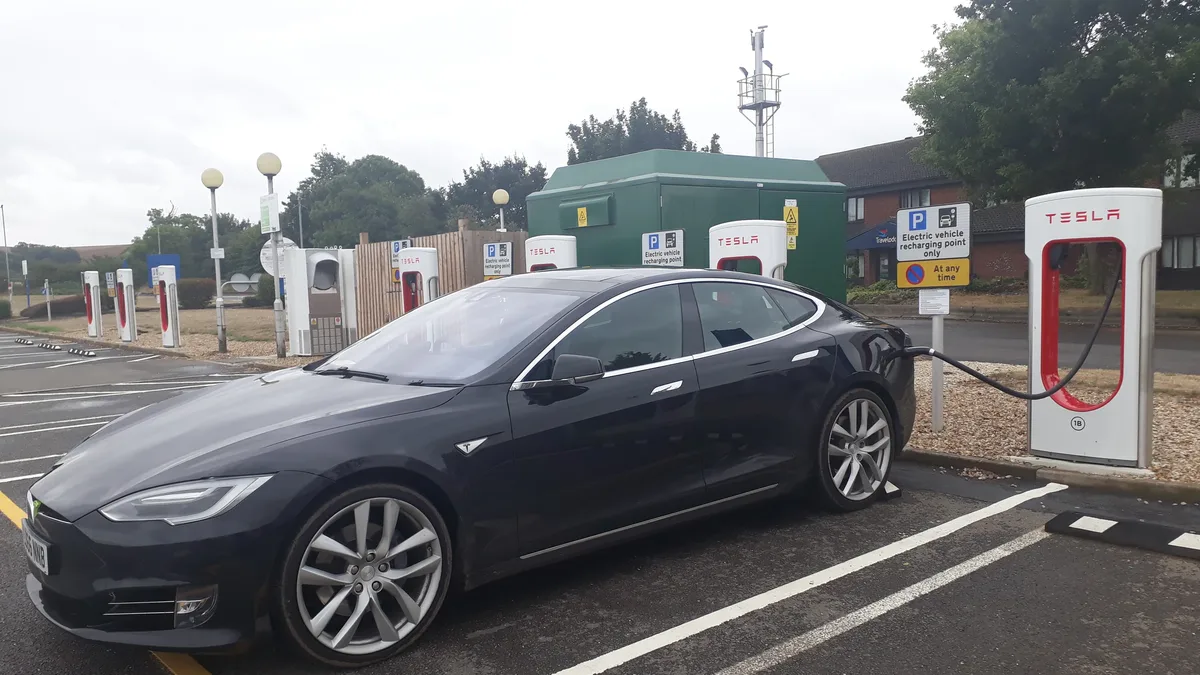
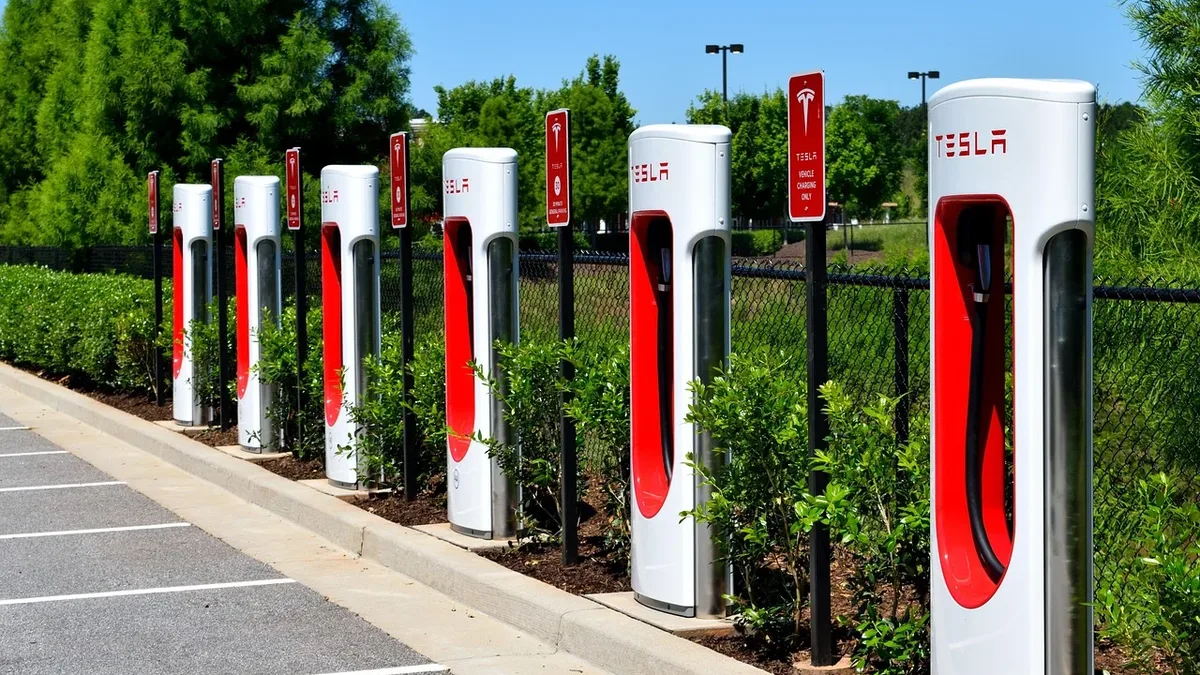
Kempower advocates for a distributed power approach, similar to the system used by Tesla Superchargers. The company, founded in Finland in 2017, builds EV charging stations with this technology. This method allows power to be shared dynamically between multiple plugs at a site.
"Installed power barely moves the needle," the company said. "Charging site utilization climbs steadily as sites add charging points." This strategy, Kempower argues, makes it easier to scale a charging station later without requiring heavy new investment after the initial stalls are installed. The focus on more plugs with managed power supports both higher utilization and a quicker return on investment for operators.